Top Private Label Skin Care Suppliers in Canada?

Choosing among the top private label skin care suppliers in Canada requires more than comparing prices and product catalogs. A supplier may display beautiful jars, but the real evidence often sits behind the factory door. Look for batch records, stability-testing data, ingredient traceability, and clear quality-control procedures. Ask how samples are approved. Ask what happens when a shipment fails inspection.

Canadian dermatologist Dr. Sandy Skotnicki often reminds consumers and brands, “Natural does not mean safe.” Her point matters in private label development. Botanical extracts can still irritate sensitive skin, react with preservatives, or create labeling concerns. A credible supplier should explain these risks without making dramatic promises. It should also support responsible claims, appropriate testing, and Health Canada cosmetic requirements.

This guide examines suppliers through a practical lens. It considers formulation experience, manufacturing capacity, minimum order quantities, packaging choices, lead times, and communication quality. Some companies excel at custom formulas. Others offer faster stock products with limited flexibility. Neither model is automatically better. It depends on your product vision, budget, and launch schedule.

There is no perfect supplier.

A polished website can hide weak documentation. A small laboratory may provide stronger personal support than a large manufacturer. I may favor suppliers with transparent processes, even when their prices are higher. That preference is not universal. Brands should compare quotations, request current certificates, review sample performance, and speak with existing customers when possible. The strongest private label skin care canada partner is not simply the cheapest option. It is the supplier that helps turn a promising formula into a consistent, compliant, and trustworthy product.
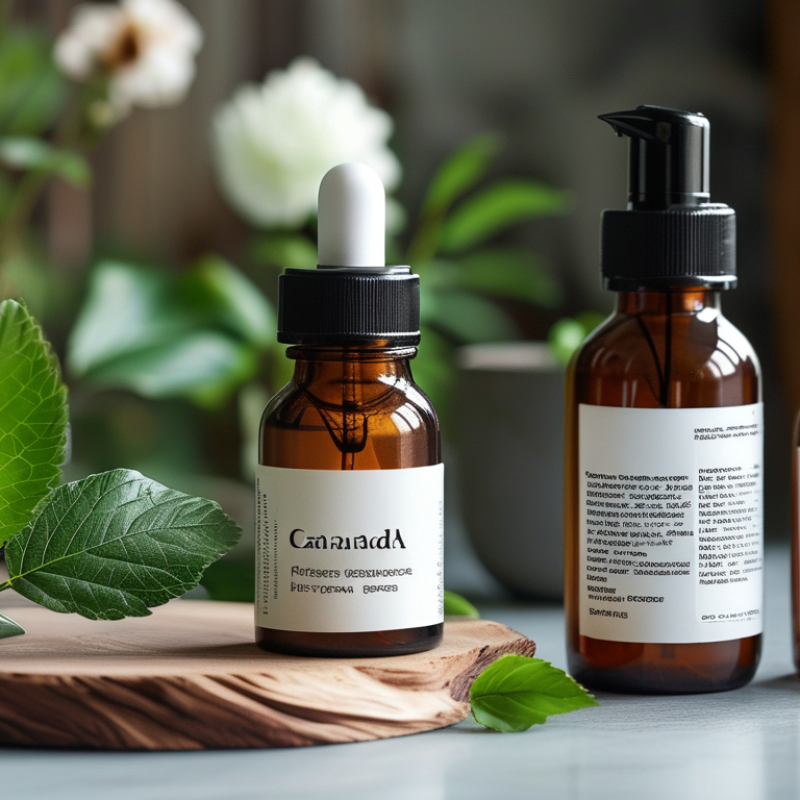
Top Private Label Skin Care Suppliers in Canada?

What Private Label Skin Care Means in the Canadian Market

Top Private Label Skin Care Suppliers in Canada?

What Private Label Skin Care Means in the Canadian Market

Private label skin care means a Canadian retailer owns the consumer-facing brand. A specialized manufacturer develops, fills, and packages the products. The retailer usually selects the formula, texture, fragrance, container, and claims.

This model is expanding with demand for accessible beauty products. Grand View Research estimates Canada’s skin care products market reached about US$2.6 billion in 2023. Its report projects roughly 4.7% annual growth through 2030. These figures are useful, but forecasts are not promises. Consumer habits can change quickly.

In practice, a supplier may provide a ready-made moisturizer or create a custom serum. A buyer should request stability testing, microbial testing, ingredient documentation, and batch records. A sample jar should survive temperature changes before launch. It should not separate in a warm delivery van.

Health Canada requires a Cosmetic Notification Form within ten days after a cosmetic is first sold. Packaging also needs compliant ingredient disclosure and required English and French information. Claims deserve careful review. “Hydrates dry skin” is generally different from claiming to treat a medical condition.

NIQ’s State of Beauty 2024 report highlights continued value sensitivity among beauty shoppers. Private label can answer that pressure, but cheap production is not enough. Packaging defects, weak documentation, or inconsistent texture can damage trust. That is where many purchasing plans remain imperfect.

Key Criteria for Choosing a Canadian Skin Care Supplier

Choosing among the top private label skin care suppliers in Canada requires more than comparing prices. Start with documented formulation expertise. Ask for complete INCI lists, stability data, microbial testing, and batch records. A reliable supplier should explain ingredient function without vague marketing language. They should also discuss Canadian labeling, product notification, and cosmetic safety expectations clearly. Do not accept “compliant” as a complete answer.

Production capacity matters just as much. Review minimum order quantities, filling equipment, packaging options, and typical lead times. Request samples from different production batches, not only a perfect showroom sample. Check the texture, scent, color, and pump performance after several weeks. Small details matter. A leaking cap can damage customer trust quickly. Suppliers using recognized quality systems and documented sanitation procedures offer stronger operational evidence.

Communication is another practical test. Ask who handles formula changes, rejected packaging, late materials, and customer complaints. Their answers reveal more than a polished website. A low minimum order may appear ideal, but it can signal limited manufacturing depth or higher unit costs. I would also question unusually fast launch promises. They may be achievable, but they deserve proof. Even experienced buyers can overlook freight conditions, seasonal temperature changes, or unclear ownership of the formula. A written agreement should address these points, while allowing room for honest review when the first production run exposes problems.

Leading Private Label Skin Care Suppliers in Canada

Top Private Label Skin Care Suppliers in Canada

Leading private label skin care suppliers in Canada offer more than ready-made formulas. They support product development, testing, packaging, and compliant labeling. Reliable suppliers should provide clear ingredient lists, batch records, certificates of analysis, and stability information. Ask whether their production follows recognized quality systems and Canadian cosmetic requirements. A capable partner can also explain minimum order quantities, sample fees, lead times, and formula ownership without vague promises.

Product quality becomes visible in small details. A cream should spread evenly, without separation after temperature changes. A cleanser should maintain its scent, color, and texture across several batches. Suppliers with in-house formulation teams can adjust viscosity, fragrance, or active levels for a specific market. Still, no supplier is perfect. A beautiful sample may perform differently at scale, so independent testing remains worthwhile. That extra step can prevent costly relabeling or product returns.

Tips: Request three pilot samples before signing a large order. Compare texture after one week and after temperature exposure. Confirm packaging compatibility, especially with pumps and airless containers. Check whether support continues after delivery. A responsive technical contact matters. Keep written records of every specification, approval, and revision. Suppliers that welcome questions are usually easier to trust. However, polished communication alone proves little; transparent documentation carries more weight.

Product Development, Compliance, and Manufacturing Standards

Top Private Label Skin Care Suppliers in Canada?

Choosing a Canadian private label skin care supplier requires more than comparing sample prices. Product development should begin with a clear brief, target user, texture, fragrance, packaging, and intended claims. A reliable supplier should explain ingredient selection, stability testing, compatibility checks, and expected shelf life. A smooth cream in the lab is not enough. It may separate after heat exposure.

Compliance must be built into development, not added before launch. Suppliers should support ingredient reviews, accurate INCI naming, bilingual packaging where required, and Cosmetic Notification Form preparation. Marketing claims also need evidence. Terms such as “reduces redness” or “repairs the skin barrier” can require stronger substantiation than expected. Manufacturing standards matter equally. Ask about written procedures, sanitation records, batch traceability, supplier qualification, and quality testing before release. Good documentation feels slow. It prevents expensive surprises.

Tips: Request a development timeline with approval checkpoints. Ask for stability and microbial test summaries, not vague assurances. Review a sample batch record. Confirm minimum order quantities and change-control procedures in writing. Keep retained samples from each production run. Also, challenge the supplier politely. If every answer sounds perfect, something may be missing. Smaller suppliers can offer closer communication, but their testing capacity may be limited. Larger facilities may provide stronger systems, yet communication can feel less personal. The right choice depends on evidence, transparency, and consistent manufacturing discipline.

How to Compare Pricing, Minimum Orders, and Supplier Support

Choosing among top private label skin care suppliers in Canada requires more than comparing a unit price. A complete quote should show product cost, packaging, testing, shipping, and applicable taxes. Some suppliers advertise low prices, then add costs for labels or formula adjustments. Confirm whether the price includes stability testing and production setup. My first spreadsheet looked precise, but I ignored freight changes and storage fees. That mistake affected the launch budget.

Minimum order quantities can shape your cash flow. A low MOQ may reduce risk, but it can increase the per-unit price. Ask whether the supplier allows mixed products within one order. Request samples before signing a production agreement. Check texture, scent, packaging quality, and label accuracy. Keep written records.

Supplier support often determines whether a project stays manageable. Look for a named contact, clear response times, and practical guidance during formulation. Ask how they handle damaged packaging, delayed batches, or inconsistent samples. Good support should include production updates and useful documentation. Confirm ingredient lists, batch records, and testing information through appropriate professional channels. Do not accept vague promises. Canadian labeling and safety requirements still need careful review with a qualified regulatory advisor. A supplier can be experienced and still unsuitable for your timeline, budget, or product goals. Build a modest launch plan, then revise it when real supplier data arrives.

Top Private Label Skin Care Suppliers in Canada? - How to Compare Pricing, Minimum Orders, and Supplier Support

Supplier Type Typical Product Range Indicative Unit Price
(CAD, Excluding Tax)
Typical Minimum Order Sample Policy Customization Level Typical Lead Time Supplier Support to Compare
Stock Formula Supplier Cleansers, lotions, creams, serums, masks, and body care using pre-developed formulas $3–$10 per unit Usually 50–250 units per SKU Often available; sample and shipping fees may apply Low to moderate; label, fragrance, colour, and packaging options may be available Approximately 2–6 weeks after artwork approval Formula documentation, ingredient lists, artwork templates, packaging choices, and reorder process
Custom Formulation Laboratory Products developed to a specific texture, ingredient profile, performance goal, or skin-care concept $5–$20+ per unit Usually 500–2,000 units per SKU Development samples are commonly charged separately High; formulation, fragrance, packaging, and product specifications can be tailored Approximately 3–9 months, including development and testing Formulation brief, stability testing, compatibility testing, specifications, revisions, and regulatory guidance
Contract Manufacturer Manufacturing, filling, labelling, and packing for established formulas or approved product specifications $2.50–$12 per unit Commonly 1,000–5,000 units per SKU Pre-production samples or pilot batches may be available Moderate to high, depending on formula ownership and production capability Approximately 8–20 weeks after materials and specifications are confirmed Batch records, quality-control checkpoints, production scheduling, packaging coordination, and logistics
Natural or Organic-Focused Manufacturer Plant-oil products, botanical creams, balms, soaps, essential-oil products, and naturally positioned skin care $4–$16 per unit Usually 250–1,500 units per SKU Typically available with ingredient and packaging review Moderate to high; botanical ingredients and natural-origin requirements may affect options Approximately 6–16 weeks, depending on testing and ingredient availability Ingredient traceability, natural-origin documentation, allergen information, testing, and claim review
Dermocosmetic or Active-Ingredient Manufacturer Serums, treatment creams, exfoliants, acne-care products, moisturizers, and products with functional active ingredients $6–$25+ per unit Commonly 500–3,000 units per SKU Controlled samples may be provided after a technical brief High; active concentration, texture, packaging, and testing requirements can be specified Approximately 3–9 months, depending on claims and testing requirements Technical files, ingredient compliance, stability data, claim substantiation, and product information support
Packaging and Label Assembly Partner Bulk formulas, filling, labelling, kitting, gift sets, and final assembly for products sourced separately $1.50–$8 per unit, excluding formula and packaging components Often 500–5,000 finished units per SKU Packaging mock-ups and filled samples may be available Moderate; best suited to brands with an existing formula or bulk product Approximately 4–12 weeks after all components arrive Packaging sourcing, label application, component inspection, kitting, warehousing, and fulfilment coordination
Comparison note: The figures above are practical planning ranges for Canadian private-label skin-care projects, not fixed quotations. Final pricing depends on formula complexity, active ingredients, packaging materials, testing, artwork, order volume, freight, taxes, and payment terms.
Key supplier-support questions:
  • Are the quoted prices inclusive of filling, labelling, packaging, testing, and shipping?
  • Does the minimum order apply per product, per fragrance, per colour, or per packaging format?
  • Who owns the formula, artwork, moulds, packaging tooling, and technical documentation?
  • Can the supplier provide ingredient declarations, batch records, stability information, and quality documentation?
  • What are the payment terms, reorder lead times, storage fees, and policies for damaged or non-conforming goods?
Social media & sharing icons powered by UltimatelySocial
Facebook
LinkedIn
Instagram
Tiktok