Find the Best Private Label Makeup Vendors in 2026?
The global cosmetic industry continues to evolve, with private label makeup vendors emerging as key players. According to a report by Grand View Research, the global private label cosmetics market is expected to reach $32.67 billion by 2028, driven by rising consumer demand for personalized beauty products.
In 2026, selecting the best private label makeup vendors will be crucial for brands aiming to stand out in a crowded market. Quality control and innovative formulations are essential factors. Many vendors offer extensive customization options, allowing brands to tailor products to their specific audiences. However, navigating this landscape requires careful evaluation of vendor credibility and product quality.
While numerous options exist, not all private label vendors are reliable. Brands must investigate potential partners to ensure they meet industry standards. Transparency in sourcing and manufacturing processes is vital. As the competition heats up, reflection on vendor partnerships will help brands build trustworthy relationships that last.
Understanding Private Label Makeup: An Overview
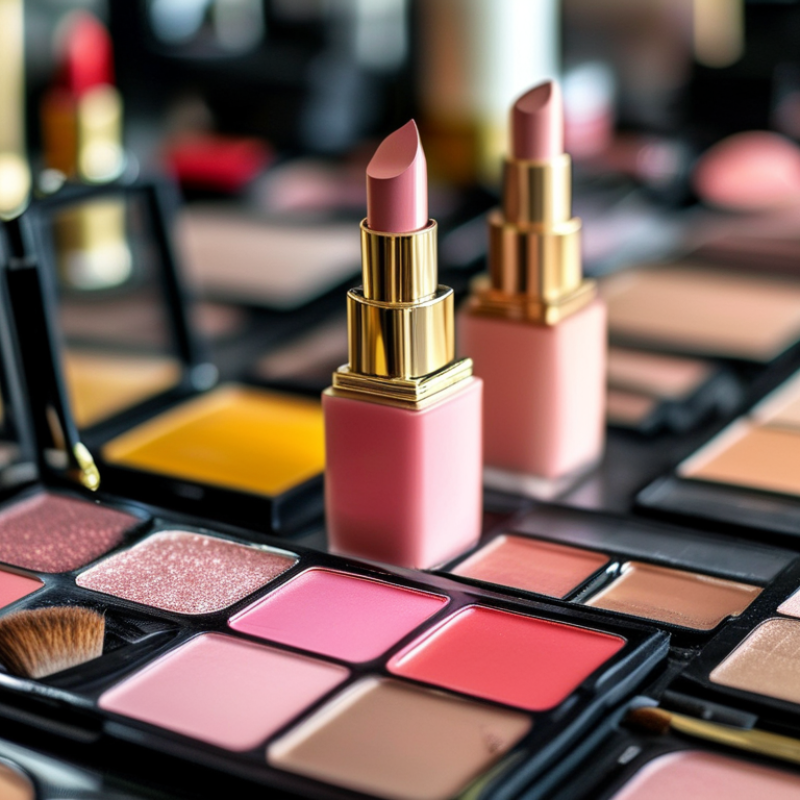
Private label makeup offers a unique opportunity for businesses to create personalized cosmetic products. This market allows brands to tailor formulations and branding to meet specific customer needs. It gives entrepreneurs a chance to stand out in a competitive landscape.
However, navigating this sector requires careful research and understanding. Not all suppliers offer the same quality or services. Some may provide limited product ranges or have inconsistent delivery schedules. It's crucial to evaluate vendors on their track record and customer service. Building a relationship with a reliable supplier can take time but is essential for long-term success.
Brands should also consider regulatory compliance and product safety. Many new businesses overlook these factors. Understanding labeling requirements and ingredient sourcing is key. Quality checks must be a priority to ensure customer satisfaction. Balancing creativity with compliance can be challenging yet rewarding. Entrepreneurs must remain adaptable and willing to learn throughout the process.
Find the Best Private Label Makeup Vendors in 2026
| Vendor Location |
Specialty Products |
Minimum Order Quantity |
Lead Time |
Private Label Services |
| USA |
Foundation, Lipstick, Mascara |
500 units |
4-6 weeks |
Customization, Packaging Design |
| Canada |
Skincare, Eyeshadow |
300 units |
3-4 weeks |
Formulation, Branding |
| UK |
Blush, Highlighter |
400 units |
5-7 weeks |
Labeling, Private Packaging |
| China |
Nail Polish, Setting Spray |
1000 units |
6-8 weeks |
Full Customization, OEM |
| South Korea |
CC Cream, Cushion Foundation |
250 units |
3-5 weeks |
Concept Development, Packaging Solutions |
Factors to Consider When Choosing a Private Label Makeup Vendor
When selecting a private label makeup vendor, several essential factors should be prioritized. Experience and industry knowledge are crucial. Vendors should have a solid track record of working with various cosmetic products. Check their portfolio and client reviews. Vendors with extensive experience can often navigate challenges more efficiently. They can provide insights into the latest trends and consumer preferences.
Quality control is another vital aspect. Ensure the vendor has rigorous testing procedures to guarantee product safety and effectiveness. A reliable vendor will be transparent about their sourcing and formulation processes. Ask about their certifications and compliance with industry standards. This builds trust in the products you plan to offer.
You must also consider the minimum order quantities. Some vendors may impose high MOQs that could strain your budget. Clarify these terms early on. Communication is equally important. A vendor should be responsive and open to feedback. This relationship can significantly impact your brand’s success. Choosing the right vendor is not just about finding a supplier. It’s about building a partnership that aligns with your business goals and values.
Top Private Label Makeup Vendors to Consider in 2026
In 2026, the demand for private label makeup is expected to rise significantly. Market analysts predict that the global private label cosmetics market will grow at a CAGR of 7.8% from 2023 to 2030. This highlights the increasing interest among consumers in customized beauty products. Brands are eager to tap into this trend.
When selecting a private label makeup vendor, look for those with a solid reputation. Many vendors leverage eco-friendly practices and high-quality ingredients. Recent reports show that 60% of consumers prioritize sustainability in their purchasing decisions. Vendors who focus on cruelty-free and organic formulations attract a dedicated customer base. However, it's essential to review vendor certifications and manufacturing processes. Not all vendors are transparent about ingredient sourcing.
Consider the importance of product variety. A vendor offering a wide range of products, from foundations to lipsticks, can adapt quickly to market changes. Vendors that invest in innovative formulations often stand out. Yet, some may struggle to keep up with fast trends. This inconsistency can impact customer satisfaction. Evaluate potential partners carefully to ensure they meet evolving consumer preferences and standards.
Evaluating Quality and Compliance in Makeup Production
When evaluating private label makeup vendors, quality is paramount. A vendor should adhere to stringent industry standards. This involves not just sourcing raw materials, but also ensuring that production processes meet safety regulations. Certifications like GMP (Good Manufacturing Practices) are signs of commitment to quality.
Compliance is equally crucial. Vendors must navigate various regulatory requirements. This includes proper labeling and ingredient transparency. Brands should demand detailed information about sourcing and manufacturing practices. Transparency builds trust between the vendor and the brand. Some vendors may lack adequate documentation, raising concerns.
Another aspect to consider is vendor experience. How long have they been in the industry? Look for vendors with a proven track record. They’re more likely to understand market trends and consumer preferences. However, be cautious; even experienced vendors can sometimes fall short. Regular audits can help assess ongoing compliance and quality. Balancing quality and compliance requires continuous effort and vigilance.
Navigating Contracts and Pricing with Private Label Vendors
When it comes to private label makeup vendors, understanding contracts and pricing is crucial for success. A report by Market Research Future emphasizes that the beauty market is projected to reach USD 805 billion by 2026. This growth presents numerous opportunities, but it also means vendors are competing for your business. Transparency in contract terms is essential. Review clauses related to minimum orders and pricing structures carefully.
Negotiating prices can seem overwhelming. Many vendors provide bulk pricing that could lead to savings on larger orders. However, don’t overlook potential hidden fees. Ensure that shipping, handling, and even labeling costs are clearly defined in your contract. Research indicates that about 30% of businesses face unexpected costs due to vague terms.
Tip: Always ask for a sample before placing a large order to evaluate quality and consistency. This reduces risks and helps build a trustful relationship with your vendor.
Building rapport with your vendor may also benefit negotiations. Establishing a personal connection can lead to better rates or favorable terms. Remember, every detail counts and may affect your overall budget. Conduct thorough research, analyze reports, and never be afraid to ask difficult questions.