Top 10 Tips to Create My Own Makeup Line?
Launching a makeup brand can look glamorous, but the work begins long before the first lipstick photo. If you want to create my own makeup line, begin with a clear customer problem, not a color trend. A sensitive-skin buyer may need fragrance-free options, transparent ingredients, and comfortable wear during a long workday. Your personal experience matters, yet it should be tested against customer interviews, competitor research, and professional formulation advice.
This guide explores ten practical tips for shaping a reliable beauty business. You will examine product positioning, shade selection, packaging, supplier evaluation, budgeting, sampling, and quality control. Ask manufacturers about batch testing, stability data, ingredient documentation, and minimum order quantities. Keep written records. They protect decisions and expose costly assumptions. Independent cosmetic chemists and qualified regulatory specialists can also review your formulas and labels before launch. Requirements differ by market, so verify current rules where you plan to sell.
Good branding cannot rescue an unstable formula.
Expect imperfect samples, delayed components, and feedback that challenges your favorite idea. I once underestimated how strongly packaging weight affects shipping costs; that mistake changed the pricing model. Small pilot batches can reveal texture problems, shade gaps, or confusing instructions before a larger investment. Ethical claims should remain precise and supported, especially for terms such as “clean,” “natural,” or “hypoallergenic.” The strongest line is not merely beautiful. It is safe, documented, useful, and honest about what it still needs to improve.
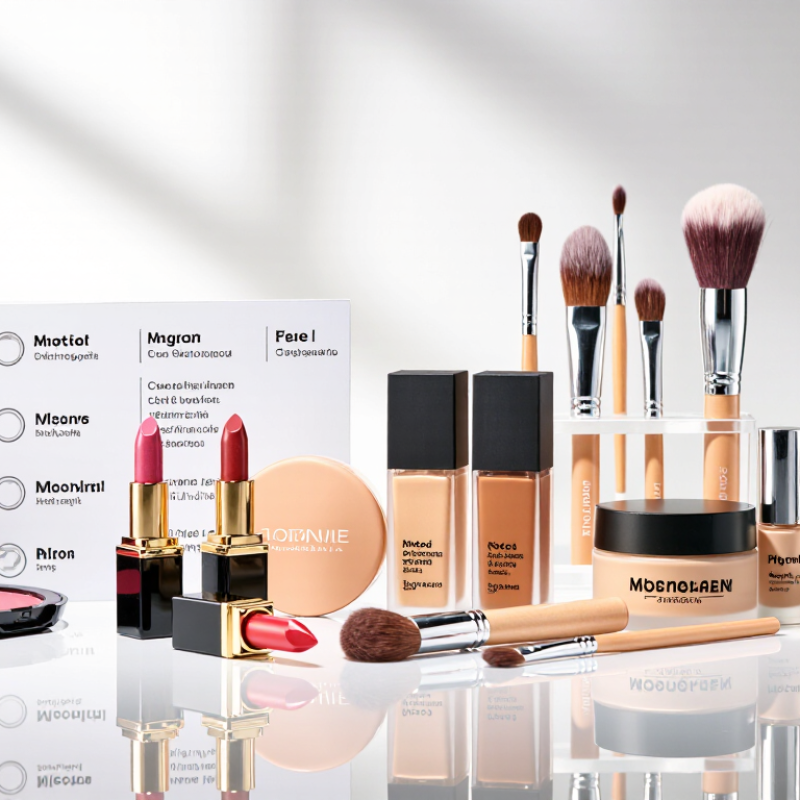
Define Your Makeup Line’s Concept, Audience, and Product Category
Top 10 Tips to Create My Own Makeup Line?
Define your makeup line before choosing packaging or colors. A clear concept might focus on quick, breathable makeup for humid city commutes. My first idea was too broad. “Makeup for everyone” sounded inclusive, but it gave customers no reason to remember me. Write one sharp promise, then test it through interviews, online surveys, and small product trials.
Your audience needs more than an age range. Describe their routine, budget, skin concerns, preferred finish, and shopping habits. McKinsey’s Beauty Market in 2023 report projects the global beauty market could reach about $580 billion by 2027. That opportunity is large, but competition is equally serious. Use customer evidence to select one product category, such as complexion, lip color, or eye makeup. Circana reported strong growth in prestige beauty sales during 2023, yet growth does not guarantee demand for an unknown line.
Start with a focused product system. For example, a complexion line could offer flexible shades, a natural finish, and refillable components. Test shades under daylight, office lighting, and phone cameras. Record coverage, wear time, irritation feedback, and application mistakes. NIQ’s 2024 State of Beauty reporting highlights the importance of value, innovation, and changing consumer behavior. I would not assume premium pricing proves quality. It may only expose weak positioning. Check ingredient documentation, stability testing, labeling rules, and claims with qualified professionals before selling. Mistakes here can damage trust quickly. Small tests reveal uncomfortable truths.
Research Cosmetic Markets, Competitors, Regulations, and Customer Needs
Top 10 Tips to Create My Own Makeup Line
Tip 1: Research your target market before choosing products. Study age groups, skin concerns, spending habits, and preferred textures. Tip 2: Read customer reviews carefully. Repeated complaints often reveal overlooked needs. Tip 3: Compare competitors by ingredients, packaging, prices, claims, and customer service. Do not copy their identity. Tip 4: Test your concept with small surveys and sample feedback. My early assumptions may be wrong.
Tip 5: Check cosmetic regulations in every intended sales market. Requirements can differ for ingredient restrictions, labeling, safety records, and product claims. Tip 6: Consult a qualified cosmetic chemist and an experienced regulatory specialist. Their guidance can prevent expensive mistakes. Tip 7: Keep supplier documents, batch records, safety assessments, and stability results organized. Clear evidence builds trust. Tip 8: Avoid claims that sound medical unless qualified evidence supports them. “Cures” is risky language.
Tip 9: Ask real users to test texture, shade, scent, and packaging accessibility. Record their feedback instead of relying on compliments. Tip 10: Start with a focused product range and improve it gradually. A smaller launch is easier to monitor. I once underestimated packaging costs. That lesson matters. Market research also has limits; people may praise an idea without buying it. Use surveys, competitor analysis, controlled product testing, and sales data together. Keep improving the formula, instructions, and customer support when evidence shows a problem.
Develop, Test, and Refine Safe, Effective Makeup Formulas
Creating My Own Makeup Line: Develop, Test, and Refine Safe, Effective Makeup Formulas
When I began developing makeup, I learned that a beautiful color means little without a reliable formula. My first prototype looked smooth but felt dry after thirty minutes. I recorded the problem, adjusted the emollient balance, and tested it again. A qualified cosmetic chemist can help select safe ingredients and suitable usage levels. Each raw material should have supplier documentation, clear specifications, and traceable batch records.
Testing must happen under realistic conditions. I check texture, odor, color, separation, and package compatibility over time. Preserved water-based products require microbial testing and challenge testing by an appropriate laboratory. Products for the eye area need extra caution. I also use controlled user feedback, rather than trusting only personal opinions. Small changes matter.
I once accepted a formula too quickly. That was a mistake. Now I define acceptance standards before testing begins. These may include coverage, wear time, skin feel, and shade consistency. Independent safety reviews can identify risks I might miss. Stability results should guide the final formula, not marketing pressure. I keep dated samples from every revision. Some experiments fail. That is useful evidence, not wasted work. Before selling, I verify labeling, claims, manufacturing controls, and market-specific cosmetic requirements with qualified professionals. Safety comes before speed.
Create a Launch Strategy for Marketing, Sales, and Customer Feedback
A successful makeup launch needs a clear plan before the first product photo appears.
Define one customer group, such as busy professionals seeking lightweight daily makeup. Study their routines through short interviews, not assumptions. I would test two product concepts with small sample groups and record comments about texture, shade, packaging, and price. Specific feedback is more useful than general praise.
Build a simple sales path.
Create a landing page with ingredient details, usage instructions, safety information, and realistic product photos. Offer an early access list instead of relying only on social media reach. Send samples to carefully selected reviewers who disclose their relationship with your business. Track visits, email sign-ups, completed purchases, returns, and customer questions. These figures reveal where interest becomes hesitation.
Marketing should show the product in real situations.
Film a shade check near a window, then demonstrate application on different skin tones. Keep claims accurate and supported by product records, testing, and applicable local requirements. Customer service also shapes trust. Reply within a stated timeframe and document recurring complaints.
My first launch would probably include too many messages and too few testing days. That mistake is worth admitting.
If customers report dry texture after several uses, pause the campaign and investigate the formula, instructions, and storage conditions. Listen closely. Sales can wait.