Top 10 Tips to Create a Makeup Line?

Creating a makeup line requires more than attractive packaging and a memorable shade name. It demands customer research, product testing, reliable suppliers, clear positioning, and disciplined budgeting. A founder must understand textures, undertones, shelf life, manufacturing limits, and the customer’s daily routine.

Makeup artist and beauty entrepreneur Bobbi Brown has said, “The secret to makeup is to look like you’re not wearing any.” Her perspective highlights an important lesson for anyone planning to create makeup line products: performance should feel effortless, not merely look impressive in a product photograph.

Real details matter.

A strong concept might begin with a foundation range tested across different skin tones and lighting conditions. Each sample should be recorded, evaluated, and improved. Product claims must remain accurate, supported, and compliant with applicable cosmetic regulations. Packaging should protect the formula, display required information, and suit the intended market.

The Top 10 Tips to Create a Makeup Line should also address pricing, minimum order quantities, ingredient sourcing, stability testing, shade development, and customer feedback. These areas are less glamorous, but they often determine whether a launch survives.

Some decisions will be wrong.

A first formula may oxidize, separate, or feel uncomfortable after several hours. That failure is useful when the team documents the cause instead of hiding it. Trust grows through honest testing, consistent quality, and transparent communication.

This guide focuses on practical steps for building a responsible brand. It also recognizes that no launch plan is perfect. Careful revision, expert consultation, and real customer evidence can turn an attractive idea into a dependable makeup line.
Top 10 Tips to Create a Makeup Line?

Define the Brand Concept and Target Customer

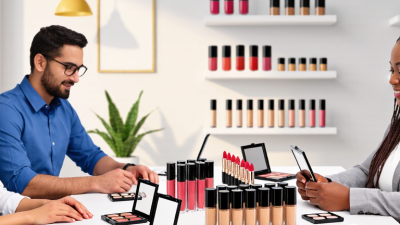
A strong makeup line begins with a clear idea, not a crowded product list. Define the brand concept in one sentence: “easy makeup for humid mornings” or “soft color for sensitive, beginner skin.” My first concept was too broad, and early customer interviews exposed the problem. People wanted different textures, prices, and routines. That feedback was uncomfortable, but useful.

Describe the target customer with observable details. She may be a 28-year-old commuter who carries one compact, checks shade videos at night, and dislikes heavy fragrance. He may want natural coverage for video calls and fast application. Avoid relying only on age or gender. Study skin concerns, spending limits, climate, shopping channels, and makeup confidence. McKinsey’s 2023 Future of Beauty report projects the global beauty market could reach about $580 billion by 2027. Its findings also highlight personalization, value, and digital discovery as important growth factors. Your concept should answer one specific need within that expanding market.

Test the idea before ordering inventory. Interview at least 15 potential customers, then watch them use sample formulas without coaching. Record where they hesitate. Ask what they would remove. Circana’s 2024 U.S. beauty reporting shows continued consumer interest in makeup, but shoppers remain selective about value and performance. That means a beautiful story cannot replace clear proof. I would test shade names, package grip, wear time, and the meaning of “clean” or “long-lasting.” Some assumptions will fail. That is useful evidence, not wasted effort.

Research the Market and Identify a Product Opportunity

Before creating a makeup line, study the people who may buy it. Visit stores, read product reviews, and observe shoppers choosing shades. Record repeated complaints, such as unclear undertones, dry formulas, or wasteful packaging. These details reveal problems better than broad guesses about what is trending. Use sales data where available, but treat it as evidence, not certainty. Search volume can show interest, yet it cannot prove purchase intent.

Speak with potential customers through short interviews and anonymous surveys. Ask what they use, what they avoid, and why they abandon products. My early survey was too narrow; it reached mostly people already interested in cosmetics. I had missed beginners. Include different ages, skin tones, budgets, and makeup routines. Keep notes with dates and exact wording. This makes decisions traceable and easier to challenge.

Map competing products by price, shade range, ingredients, packaging, and customer complaints. Look for an underserved need, not a fashionable copy. A small testing group can compare sample textures in daylight and after several hours. Ask about comfort, irritation, application, and removal. Consult a qualified cosmetic chemist about formulation safety and stability. Do not promise medical or exaggerated results. Check ingredient rules, labeling duties, and safety testing requirements in every intended market. Document each change. A promising idea may still fail if production costs, shelf life, or accessibility are ignored.

Develop, Test, and Refine the Makeup Formulas

Creating a makeup line begins with disciplined formula development, not attractive packaging. Define the intended user, finish, shade range, and skin concerns before mixing samples. Choose cosmetic-grade ingredients with documented supplier information. Work with a qualified cosmetic chemist and follow good manufacturing practices. Record every percentage, batch number, temperature, and mixing time. Small details matter.

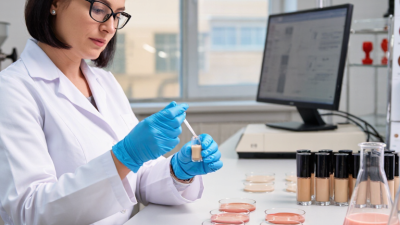
Build several prototypes instead of trusting one promising sample. Check texture, spreadability, color payoff, scent, pH, and drying time. Test stability under heat, cold, light, and repeated opening. Use appropriate microbial testing and preservation checks. Evaluate packaging compatibility, since a formula may react with a pump, tube, or compact. Safety assessment should guide every product decision. Never rely only on personal skin testing.

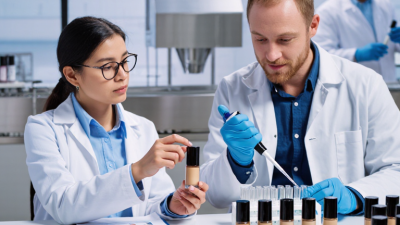
Give samples to a carefully selected testing group with different skin types and tones. Use clear questions about wear, irritation, creasing, transfer, and removal. Keep feedback measurable, but listen to unexpected comments. One early formula looked elegant on the hand and patchy around the nose. That failure changed the emollient balance. Refinement often takes more rounds than expected. Document each adjustment, repeat the tests, and keep the version that performs consistently. Fancy claims cannot repair an unstable formula.

Top 10 Tips to Create a Makeup Line? - Develop, Test, and Refine the Makeup Formulas

No. Development Tip Formula Development Action Testing or Measurement Practical Checkpoint Refinement Decision
1 Define the product brief Specify the product type, finish, coverage, skin-feel, shade range, packaging format, target user, and intended market before selecting ingredients. Create a written brief with measurable attributes such as viscosity, payoff, dry-down time, opacity, and transfer resistance. Every desired claim should have a corresponding test method or evaluation plan. Remove claims that cannot be measured, substantiated, or legally supported.
2 Choose ingredients for function Select pigments, emollients, waxes, film formers, thickeners, solvents, preservatives, and skin-conditioning ingredients according to their technical roles. Review supplier specifications, certificates of analysis, safety data, purity, allergen information, and applicable cosmetic ingredient restrictions. Each ingredient has a defined purpose, use level, quality specification, and regulatory status for the intended market. Replace ingredients that create instability, safety concerns, unwanted sensory effects, or regulatory complications.
3 Build a controlled prototype set Create small laboratory batches that change one major variable at a time, such as pigment load, wax ratio, oil phase, or thickener level. Record batch size, ingredient lot, process temperature, mixing speed, processing time, and order of addition. Use a batch record and a unique prototype code for every sample. Advance only formulas whose performance improvement can be linked to a documented formulation or process change.
4 Control pigment dispersion Pre-disperse pigments in a compatible binder or oil phase and select suitable milling or high-shear mixing conditions for the formula. Assess color uniformity, drawdown appearance, rub-out, agglomeration, opacity, and shade consistency across samples. No visible specks, streaking, settling, or significant color variation after the defined mixing and filling process. Adjust dispersion time, shear, wetting agents, pigment concentration, or binder compatibility.
5 Optimize texture and application Balance oils, esters, silicones, waxes, powders, and polymers to achieve the intended glide, spreadability, set time, and after-feel. Use controlled sensory panels together with measurements such as viscosity, hardness, payoff, dry-down time, and pickup weight. Define an acceptance range for each key attribute instead of relying only on general opinions. Modify the formula when improved texture causes unacceptable wear, separation, drag, or excessive transfer.
6 Check pH and preservative protection For water-containing products, select a preservation system that is compatible with the formula, packaging, pH, and expected consumer use. Measure pH with a calibrated instrument and perform microbial quality testing and a preservative efficacy or challenge test where applicable. The formula remains within its defined pH range and meets the applicable microbiological acceptance criteria. Rebalance the preservation system, water activity, pH, packaging, or manufacturing hygiene if results are unsatisfactory.
7 Run stability studies Evaluate the formula in its intended container under normal, elevated-temperature, low-temperature, light, and freeze-thaw conditions when relevant. Inspect color, odor, appearance, pH, viscosity, separation, leakage, package compatibility, and application performance at scheduled intervals. A common screening design includes storage around 40°C and freeze-thaw cycling, with conditions adapted to the product and market. Investigate any meaningful change and repeat testing after reformulation or packaging changes.
8 Test packaging compatibility Match the formula with the correct jar, tube, compact, bottle, wand, pump, closure, and applicator materials. Check leakage, clogging, dose consistency, adsorption, swelling, cracking, discoloration, odor transfer, and seal integrity. The package delivers the intended dose and protects the product throughout storage and normal consumer handling. Change the component, material, closure, fill level, or formula if interaction or dispensing problems occur.
9 Verify safety and claims Review the finished formula, intended use area, exposure level, warnings, directions, and market-specific cosmetic requirements. Use qualified safety assessment, ingredient documentation, compatibility review, and substantiation testing for performance claims. The label, formula, packaging, and advertising use consistent terminology and supported claims. Narrow or remove claims that lack adequate evidence or could be interpreted as drug or medical claims.
10 Conduct pilot-scale validation Transfer the laboratory formula to pilot equipment and confirm that mixing, heating, cooling, filling, and cleaning procedures produce consistent results. Compare pilot batches with laboratory standards using appearance, color, viscosity, fill weight, microbiological quality, and functional performance. Set documented in-process and finished-product specifications before commercial production. Freeze the formula only after repeatable pilot results, approved specifications, and completed quality records.

Note: Testing conditions and acceptance limits should be adapted to the product type, packaging system, intended use, manufacturing process, and regulatory requirements of the target market.

Establish Packaging, Compliance, and Production Plans

Top 10 Tips to Create a Makeup Line?

Establish Packaging, Compliance, and Production Plans

A strong makeup line begins with packaging that protects the formula. Choose containers based on viscosity, light sensitivity, and application habits. Test pumps, caps, and seals with the actual product, not only water. Check leakage after heat, cold, vibration, and transport trials. Small details matter. A crooked label can damage trust quickly.

Create a compliance file for every product. Record the full ingredient list, supplier documents, safety assessments, batch codes, and manufacturing records. Product names and claims should match the evidence behind them. Avoid promising results that testing cannot support. Regulations differ by market, so review local requirements with a qualified regulatory specialist. I once underestimated label space; required information can make a beautiful design feel crowded.

Production planning needs realistic timing and clear quality controls. Confirm minimum order quantities, lead times, approved samples, filling standards, and inspection points before placing an order. Keep retained samples from each batch, and define what happens when color, texture, or packaging changes. Stability and microbiological testing should support the product’s intended shelf life. Delays are common. Build extra time into the launch schedule, because rushing approval often creates expensive rework.

Create a Launch Strategy and Build Customer Awareness

Creating a makeup line requires more than attractive packaging. A clear launch strategy should turn customer attention into informed trial and repeat purchases. McKinsey’s 2023 beauty report expects the global beauty market to approach $590 billion by 2028, with online channels continuing to expand. Tip 1: define one specific customer. Tip 2: solve one visible problem. Tip 3: test shades with real users. Tip 4: record feedback honestly.

Build awareness before the launch date. Tip 5: create educational content around application, ingredients, and shade selection. Short videos can show texture under natural light. Tip 6: collect permission-based email sign-ups. Tip 7: prepare a landing page with clear claims and usage details. Circana reported that U.S. prestige beauty sales grew 14% in 2023, showing strong demand for differentiated products. Yet demand does not guarantee trust.

Use measurable experiments. Tip 8: compare two messages, such as comfort versus long wear. Tip 9: track sign-ups, sample requests, conversion rates, and repeat orders. Tip 10: reserve part of the budget for post-launch education. Euromonitor identifies social commerce and personalized discovery as important beauty growth drivers, but content can become noisy quickly. I would review performance weekly, then change one variable at a time. My first campaign might still miss its audience. That is useful evidence, not failure. Keep customer questions visible, respond with specific information, and avoid promises that testing cannot support.

Social media & sharing icons powered by UltimatelySocial
Facebook
LinkedIn
Instagram
Tiktok