Top 10 Skincare Manufacturing Labs: What You Need to Know for Your Product
In the dynamic world of skincare, the foundation of a successful product lies not just in innovative formulations, but also in the expertise and capabilities of the skincare manufacturing labs behind them. With a plethora of options available, navigating this landscape can be challenging for aspiring brands and established companies alike. Understanding the key features and functionalities of leading skincare manufacturing labs is crucial for ensuring the highest quality standards and regulatory compliance in your products.
This guide aims to illuminate the top 10 skincare manufacturing labs that stand out for their commitment to excellence, state-of-the-art technology, and client-focused services. From development and production to packaging and beyond, these labs offer a range of services tailored to meet diverse needs within the skincare industry. Whether you’re launching a new line or seeking to enhance an existing product, insights into these manufacturing facilities can provide you with the knowledge necessary to make informed decisions and forge successful partnerships. Equip yourself with the essential information to navigate this vital aspect of skincare development and thrive in a competitive market environment.
Understanding Skincare Manufacturing Labs: An Overview of the Industry
Skincare manufacturing labs play a pivotal role in the cosmetics industry, offering a range of services that help businesses bring their product ideas to life. These labs specialize in formulating, testing, and producing skincare products, which can range from moisturizers to serums and beyond. Understanding the different types of labs available—such as contract manufacturers, private labelers, and research and development facilities—can greatly influence a brand's success. Each type of lab offers unique advantages in terms of flexibility, customization, and scale of production, catering to the specific needs of various skincare lines.
Moreover, the skincare manufacturing landscape is characterized by continuous innovation and adherence to industry regulations. Labs need to stay updated with the latest ingredient advancements, formulation techniques, and safety standards to ensure the efficacy and safety of their products. This emphasis on quality control and regulatory compliance is crucial in building consumer trust. In addition to production capabilities, many labs also provide valuable insights into market trends and consumer preferences, assisting brands in developing effective marketing strategies and competitive formulations that resonate with target audiences. Understanding these nuances can empower brands to make informed decisions when choosing a manufacturing partner in the dynamic skincare industry.
Top 10 Skincare Manufacturing Labs: What You Need to Know for Your Product
| Rank |
Lab Type |
Services Offered |
Certifications |
Min Order Quantity |
Lead Time (Days) |
| 1 |
Private Label |
Formulation, Packaging, Labeling |
GMP, ISO 22716 |
500 |
30 |
| 2 |
Contract Manufacturing |
Product Development, Quality Control |
FDA Registered |
1000 |
45 |
| 3 |
Boutique Labs |
Custom Formulas, Small Batches |
EcoCert, PETA Certified |
100 |
20 |
| 4 |
Specialized Labs |
Anti-Aging, Natural Products |
ISO 9001 |
300 |
60 |
| 5 |
Organic Labs |
Sourcing, Formulation |
USDA Organic |
250 |
35 |
| 6 |
Research & Development |
Innovative Products, Testing |
ISO 17025 |
10 |
90 |
| 7 |
Full-Service Labs |
All-Inclusive Services |
GMP, ISO 13485 |
5000 |
120 |
| 8 |
Niche Market Labs |
Emerging Trends, Custom Solutions |
Craft Certified |
150 |
50 |
| 9 |
Cosmetic Labs |
Skincare, Color Cosmetics |
Cruelty-Free |
700 |
75 |
| 10 |
Veterinary Labs |
Animal Skincare Products |
FDA Approved |
200 |
40 |
Key Factors in Choosing a Skincare Manufacturing Lab for Your Brand
When selecting a skincare manufacturing lab, understanding the key factors that can impact your brand's success is crucial. One pivotal aspect is the lab's compliance with industry regulations and standards. According to the International Cosmetic Ingredient Review, 70% of consumers prioritize safety and regulatory adherence in skincare products, highlighting the importance of working with a lab that rigorously follows Good Manufacturing Practices (GMP). This not only ensures product safety but also enhances consumer trust, which is vital in today's competitive market.
Another essential consideration is the technological capabilities of the lab. Advanced formulations and techniques can greatly influence the quality and efficacy of skincare products. A report from Statista indicates that the global skincare market is projected to reach $189.3 billion by 2025, driven by consumer demand for innovative solutions. Labs that invest in cutting-edge technology can provide clients with unique formulations and better performance, setting your brand apart in a crowded marketplace. Additionally, the lab's ability to scale production efficiently can significantly affect your timeline and overall budget, making it imperative to choose a manufacturing partner that can grow alongside your brand's needs.
Industry Trends: The Growth of Natural and Organic Skincare Products
In recent years, the skincare industry has witnessed a significant shift towards natural and organic products. This trend is driven by an increasing consumer demand for transparency and sustainability in the products they use. As awareness grows regarding the potential harmful effects of synthetic ingredients, more consumers are opting for formulations that embrace natural components. This movement is not merely a passing fad; it reflects a broader societal shift towards healthier, eco-conscious living and a desire to minimize environmental impact.
Manufacturers are taking note of this trend, adapting their production methods to meet consumer expectations. The rise of natural and organic skincare has prompted labs to invest in sourcing high-quality botanical ingredients and developing innovative formulations that adhere to organic standards. This not only includes the careful selection of raw materials but also extends to sustainable packaging solutions that align with eco-friendly practices. As a result, brands are not just meeting market demand but also building a loyal customer base that values ethical and environmentally responsible choices. In this evolving landscape, skincare manufacturers who prioritize natural and organic ingredients are likely to lead the way in responding to consumer needs while fostering a healthier planet.
Trends in Natural and Organic Skincare Products
This chart illustrates the growth trends of natural and organic skincare products over the past five years. The data highlights a significant increase in consumer preference for these products, reflecting a broader shift towards sustainable and health-conscious choices in the beauty industry.
Regulatory Compliance in Skincare Manufacturing: Gaining Market Trust
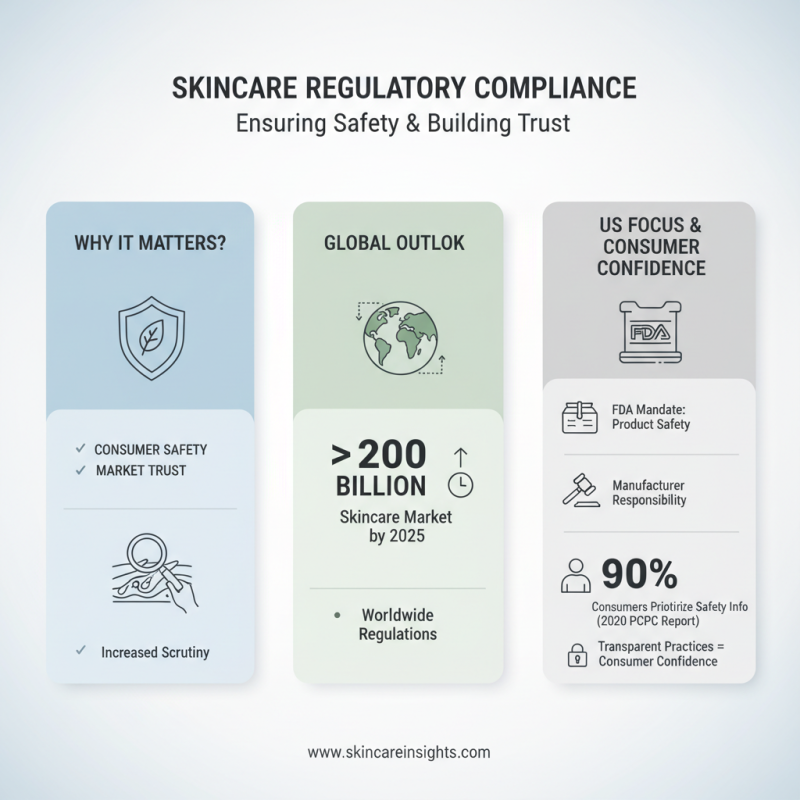
Regulatory compliance in skincare manufacturing is crucial for gaining market trust and ensuring consumer safety. The skincare industry, projected to surpass $200 billion by 2025, is under increasing scrutiny from regulatory bodies worldwide. In the U.S., the FDA mandates that skincare products are safe for consumers, but the responsibility largely falls on manufacturers to prove compliance. According to a 2020 report by the Personal Care Products Council, nearly 90% of consumers consider product safety information as a critical factor when choosing skincare products. This highlights the importance of transparent regulatory practices in building consumer confidence.
Adhering to Good Manufacturing Practices (GMP) is a fundamental requirement for skincare manufacturers aiming for regulatory compliance. The International Organization for Standardization (ISO) standards, particularly ISO 22716, provide guidelines for the production, control, storage, and shipment of cosmetic products. A recent market analysis indicated that 65% of consumers are more likely to purchase products from manufacturers that demonstrate adherence to these standards. Consequently, compliance not only protects consumers but also enhances brand integrity and marketability in a competitive landscape, driving long-term business success.
Quality Assurance Practices in Skincare Labs: Ensuring Product Safety and Efficacy
In the skincare manufacturing industry, quality assurance practices play a pivotal role in ensuring both product safety and efficacy. Skincare labs implement a series of stringent practices to meet regulatory standards and safeguard consumer health. These practices begin with sourcing high-quality raw materials, followed by rigorous testing to ensure that each ingredient meets safety profiles.
The significance of proper formulation processes cannot be overstated; labs must adhere to Good Manufacturing Practices (GMP) to avoid cross-contamination and ensure consistency across batches.
Moreover, quality assurance extends to comprehensive stability testing, which assesses how products withstand various environmental conditions over time. This critical evaluation helps manufacturers predict a product’s shelf life and overall effectiveness. Additionally, ongoing training for laboratory personnel and regular audits contribute to maintaining high standards throughout production.
By prioritizing these quality assurance measures, skincare labs can assure their clients and end-users that their products are not only safe to use but also effective in delivering the desired results.