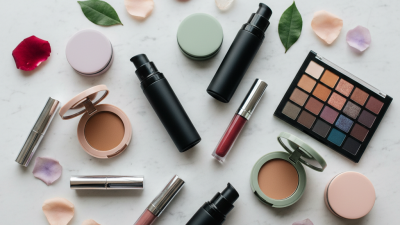
In the ever-evolving beauty market, private label skin care is gaining significant traction among global buyers. This trend offers unique opportunities for brands to differentiate themselves. With the right approach, businesses can create products that resonate with consumers. Understanding market dynamics is key to success in this niche.
Private label skin care allows for customization based on diverse consumer needs. Each market has its preferences, and effective research is essential. Buyers must focus on quality ingredients and sustainable practices. This not only enhances credibility but also attracts eco-conscious consumers. Realizing that not all suppliers provide the same level of quality is crucial.
Communicating your brand story is vital. Buyers must ensure that their messaging aligns with consumer values. Transparency in sourcing and production builds trust. Mistakes can happen, and learning from them is part of growth. Adapting to feedback and market trends will help brands thrive in the competitive landscape of private label skin care.
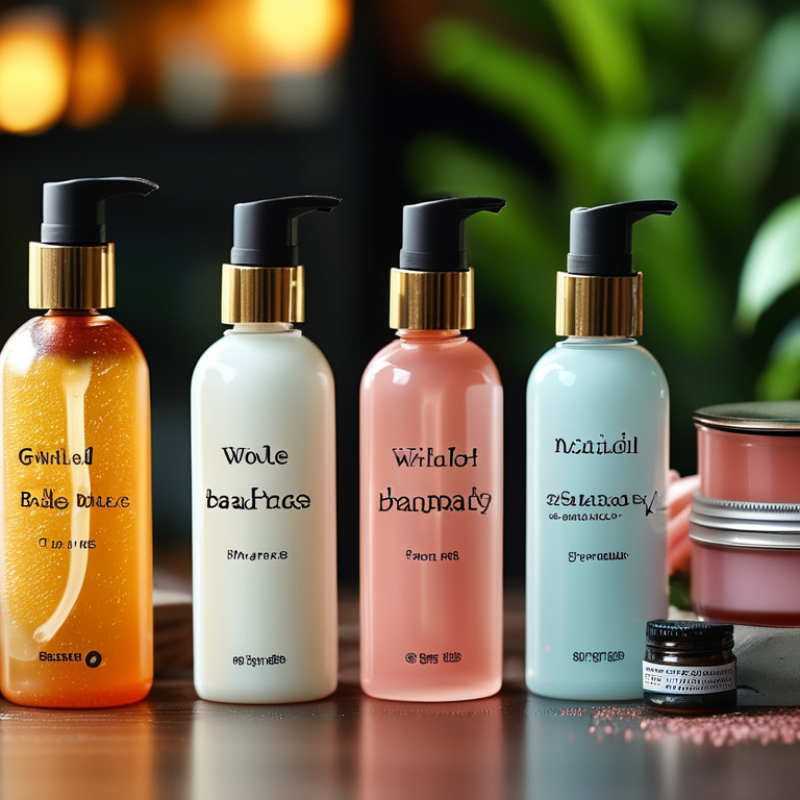
Understanding private label skin care from a global perspective is crucial for buyers navigating this competitive market. The private label skincare sector has seen unprecedented growth, driven by consumer demand for personalized solutions. According to a recent industry report, the global market size for private label skin care is expected to reach $25 billion by 2025. This trend highlights the significance of tailored products that resonate with diverse consumer preferences.
When choosing private label products, it is essential to understand local market trends. Consumers increasingly seek transparency in ingredients and sustainability. Buyers should focus on quality sourcing, ensuring that products align with ethical standards. Research suggests that brands prioritizing sustainability see higher customer loyalty.
Stay informed about formulation trends. Natural and organic formulas are gaining traction. Data shows that 55% of consumers prefer brands with clean labels. Engaging in regular supplier audits can help maintain product quality and compliance with regulations. Monitoring performance metrics aids in identifying areas for improvement. A robust feedback loop can be instrumental for refining product offerings. This iterative approach ensures brands remain competitive and relevant in diverse markets.
The private label skin care market is rapidly evolving. Global buyers must stay alert to key trends shaping their strategies. One significant trend is the increasing demand for sustainability. Consumers now prefer eco-friendly ingredients and packaging. Brands prioritizing these aspects often gain a competitive edge. This shift encourages companies to innovate and adopt greener practices.
Another critical trend is the personalization of skin care products. Buyers are looking for formulations tailored to specific skin types and concerns. Companies can leverage data analytics to understand consumer preferences better. Personalized offerings often lead to higher customer satisfaction and loyalty. However, brands must invest in research to truly understand varied skin needs.
Finally, influencer partnerships are becoming essential in this market. Influencers can effectively reach target audiences and help build brand trust. Yet, brands need to choose partners carefully. Authenticity must be prioritized to avoid backlash. Relying solely on influencer marketing can lead to missed opportunities in other vital channels.
When selecting the right manufacturer for private label skin care products, several factors deserve attention. Start with the manufacturer’s experience. A company with a strong history in skin care will understand market trends. They should offer transparency regarding their sourcing and production processes. This builds trust and assures the quality of your products.
Evaluate the manufacturer’s certifications and compliance with industry standards. This reveals their commitment to safety and quality assurance. Reliable partners often hold certifications from recognized organizations. Don’t hesitate to ask for references or case studies about similar products. A successful track record can provide valuable insights.
Communication plays a crucial role in this relationship. Ensure that the manufacturer is responsive and open to feedback. It's important they understand your brand’s vision. Assess their willingness to adapt or modify formulations based on your requirements. This flexibility often indicates a more cooperative partnership. Remember, choosing the right manufacturer is not just about finding the cheapest option; it's about building a trustworthy and effective collaboration.
| Tip No. | Tip Description | Key Considerations |
|---|---|---|
| 1 | Understand Your Target Market | Conduct market research to identify customer preferences. |
| 2 | Choose the Right Manufacturer | Evaluate manufacturers based on quality standards and certifications. |
| 3 | Check Ingredient Sourcing | Ensure ingredients are ethically sourced and of high quality. |
| 4 | Review Packaging Options | Select packaging that aligns with your brand image and market needs. |
| 5 | Understand Regulatory Compliance | Familiarize yourself with regulations in your target market. |
| 6 | Establish Clear Shipping Terms | Negotiate shipping terms to reduce costs and ensure timely delivery. |
| 7 | Request Samples | Always ask for product samples before making bulk orders. |
| 8 | Price and MOQ Negotiations | Discuss pricing and minimum order quantities to find a workable agreement. |
| 9 | Build Strong Communication | Maintain open lines of communication for effective collaboration. |
| 10 | Monitor Trends and Innovations | Stay updated on the latest trends in skin care and adjust your offerings accordingly. |
When dealing with global skin care products, regulations are crucial. Different regions have distinct standards. For instance, the EU requires safety assessments and product registration. In 2023, compliance documentation was vital for 78% of skin care brands entering the EU market. Understanding these regulations ensures that products are not only safe but also marketable.
An essential aspect is ingredient transparency. Global buyers must be aware of ingredient bans specific to regions. For example, over 1300 chemicals are prohibited in cosmetic products within the EU. However, the FDA in the U.S. has only banned 11. This discrepancy can impact product formulation. Knowledge of such regulations helps avoid costly reformulations and potential non-compliance penalties.
Lastly, labeling guidelines vary significantly. Clear and accurate labeling is paramount. Misleading claims can lead to legal issues. A 2023 industry report highlighted that 45% of brands faced compliance audits due to labeling errors. Investing in thorough label reviews can minimize such risks. These complexities highlight the need for constant vigilance and expertise in global skin care regulations.
Effective marketing strategies are vital for private label skin care brands looking to stand out in a crowded market. One crucial aspect is understanding your target audience deeply. Identify their needs, preferences, and pain points to create products that resonate with them. Engaging on social media platforms allows you to interact directly with potential customers, gaining invaluable feedback that can shape your offerings and marketing campaigns.
Establishing a strong online presence is equally important. A professional website showcasing your products is essential. Include informative content that highlights the unique benefits of your skin care line. Collaborations with influencers or experts can also lend credibility to your brand. Customers often seek validation before trying new products, and endorsements from trusted sources can have a significant impact.
Creating visually appealing packaging can attract attention on retail shelves and online stores. The right design not only reflects your brand identity but also communicates quality. Additionally, consider sustainability in your packaging choices. More consumers are looking for eco-friendly options. Reflecting on your strategies is critical; if a campaign doesn’t yield results, analyze the data and adjust accordingly. The ability to adapt is a valuable asset in the competitive skin care industry.