
Cosmetic Group USA
Top Check Valve Suppliers for Global Buyers?
Choosing among the top check valve suppliers for global buyers requires more than comparing prices or browsing polished catalogues. A reliable supplier must understand pressure, temperature, fluid behavior, installation direction, and maintenance conditions. Small details matter. A poorly selected check valve may slam shut, create water hammer, or fail to prevent backflow. These problems often appear after installation, when replacement costs rise.
Richard W. Greene, author of Valve Selection Handbook, wrote, “The valve must be selected for the service, not merely for the line size.” This principle remains practical for buyers sourcing valves across different industries and regions. Experienced suppliers should provide material certificates, pressure ratings, testing records, dimensional drawings, and clear product traceability. They should also explain whether a swing, wafer, lift, spring-loaded, or dual-plate design fits the application.
Look beyond the brochure.
A dependable supplier can discuss real operating conditions, not only standard specifications. Ask about factory testing, corrosion resistance, sealing materials, delivery control, and technical support after shipment. Global buyers should also review communication quality, production capacity, export experience, and the consistency of previous orders. Independent inspection can add confidence, especially for critical pipelines.
Still, no ranking is permanent. Market claims may be incomplete, and a famous brand may not suit every project. That is worth admitting. The best choice depends on verified performance, application knowledge, and honest communication. This guide examines leading check valve suppliers through those practical criteria, helping buyers make decisions based on evidence rather than attractive promises.
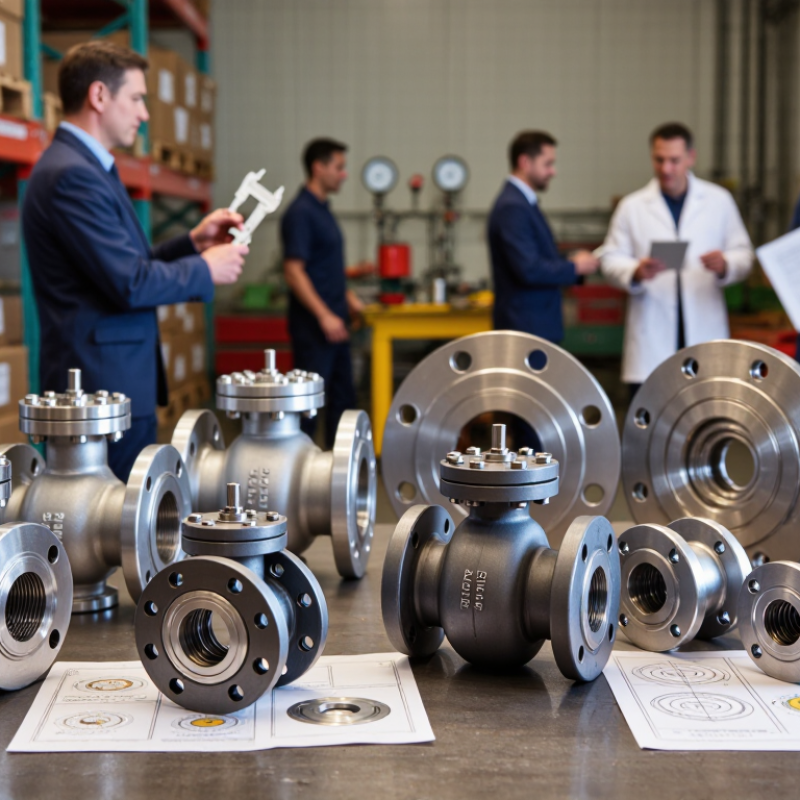
Check Valve Fundamentals: Swing, Lift, Dual-Plate, and Axial Designs
Top Check Valve Suppliers for Global Buyers?
Check valves stop reverse flow without external power, but design choice matters. Swing check valves use a hinged disc and suit steady, clean flow. They usually create low pressure loss. However, poor installation can make the disc slam against its seat. Lift check valves guide a piston vertically and respond well to changing flow. Their tighter guidance improves stability, but their pressure drop is often higher.
Dual-plate check valves use two spring-loaded plates within a compact body. Their wafer-style construction saves space and weight, especially in large pipelines. Axial check valves guide the disc along the pipe centerline. This supports smooth flow and low turbulence. They are useful near pumps, compressors, and high-velocity systems. In practice, no design wins everywhere. I have seen a compact valve selected correctly, yet fail early because the flow direction was misunderstood.
Tips: Match the valve to pressure, temperature, fluid, pipe orientation, and expected flow speed. Check the cracking pressure before ordering. Confirm seat materials against the process fluid. Review water-hammer risk during shutdown. Ask for pressure-test records and material certificates. A valve that fits the flange may still be technically wrong. Consider maintenance access, too. This detail is easy to overlook.
| Comparison Dimension | Swing Check Valve | Lift Check Valve | Dual-Plate Check Valve | Axial Check Valve |
|---|---|---|---|---|
| Basic operating principle | A hinged disc swings open with forward flow and returns toward the seat when flow reverses. | A piston, disc, or poppet moves vertically away from and back onto a seat. | Two spring-assisted plates open into the flow path and close when forward flow decreases or reverses. | A guided disc or plug moves axially along the pipe centerline, usually with spring assistance. |
| Flow direction | One-way flow; the valve must be installed according to the body flow arrow. | One-way flow; the pressure differential must lift the closure member from its seat. | One-way flow; the two plates respond independently to changing flow conditions. | One-way flow; the streamlined closure member follows the pipe axis. |
| Typical pressure-drop tendency | Low to moderate when fully open; the hinged disc remains in the flow path. | Moderate to high compared with full-flow designs because the closure member moves through a guided seat area. | Low to moderate; the short face-to-face design can reduce system space and flow resistance. | Generally low when properly sized because the flow path is streamlined and centered. |
| Water-hammer behavior | Can produce significant slam in high-velocity or rapidly reversing systems, especially with a long disc travel path. | May slam if the closure member is heavy or the valve is installed in an unsuitable orientation. | Usually offers improved non-slam performance because the plates have short travel and spring-assisted closing. | Typically provides fast, low-shock closure when the spring and sizing are correctly selected. |
| Preferred installation orientation | Horizontal installation is commonly preferred. Vertical upward-flow installation may be permitted by the design. | Often installed in horizontal lines or vertical lines with upward flow, subject to the valve design. | Can often be installed horizontally or vertically, but the supplier must confirm orientation limits and spring configuration. | Frequently suitable for horizontal or vertical piping because the closure is guided along the centerline. |
| Space requirement | Usually longer face-to-face dimensions than wafer-style designs. | Generally compact, but the bonnet or cover requires access for inspection and maintenance. | Very compact and lightweight in wafer or lug configurations, reducing installation space and support loads. | Compact body design with relatively short face-to-face dimensions in many applications. |
| Main advantages | Simple construction, broad size availability, relatively low purchase cost, and suitability for many liquid services. | Good shutoff potential, controlled closure movement, and suitability for clean liquid or gas applications. | Short face-to-face length, low weight, fast response, and good resistance to reverse-flow shock. | Low pressure loss, fast dynamic response, compact construction, and good suitability for high-flow systems. |
| Main limitations | Potential disc slam, sensitivity to flow pulsation, and possible wear at the hinge or seat. | Higher pressure loss, possible sensitivity to dirt, and orientation restrictions for some models. | Spring and plate components require correct material selection; some designs are less suitable for solids or severe fouling. | More complex internal guidance and spring components can increase cost and maintenance requirements. |
| Typical applications | Water and wastewater lines, pump discharge piping, cooling-water systems, process pipelines, and general industrial service. | Boiler feedwater, compressor discharge, refinery and chemical process lines, and applications requiring controlled seating. | HVAC systems, water treatment, fire-protection piping, pump systems, and space-constrained industrial pipelines. | Gas transmission, compressor stations, chemical processing, power systems, and high-flow industrial services. |
| Common material choices | Carbon steel, ductile iron, cast iron, stainless steel, and corrosion-resistant alloys. | Carbon steel, stainless steel, alloy steel, and other materials selected for temperature and fluid compatibility. | Carbon steel, stainless steel, ductile iron, aluminum-bronze, and engineered seating materials. | Carbon steel, stainless steel, alloy steel, and specialized alloys for corrosive or high-temperature services. |
| Key buyer checks | Confirm allowable installation angle, disc travel, minimum flow velocity, seat material, pressure rating, and reverse-flow performance. | Confirm minimum lift pressure, orientation, guide clearance, seat leakage class, temperature rating, and clean-service suitability. | Confirm wafer or lug pattern, spring material, minimum operating pressure, plate clearance, leakage requirements, and line support needs. | Confirm flow coefficient, cracking pressure, spring response, body length, noise or vibration limits, and pigging requirements. |
| Relevant procurement documents | Dimensional drawing, pressure-temperature rating, materials certificate, pressure-test report, installation instructions, and spare-parts list. | Certified drawing, material traceability, seat-leakage test results, pressure-test report, maintenance instructions, and coating details. | Wafer or lug dimensions, spring and plate material certificates, functional test data, leakage results, and installation clearances. | Flow-performance data, spring test results, pressure-temperature rating, material certificates, noise data, and inspection documentation. |
| Buyer note: Actual pressure ratings, temperature limits, face-to-face dimensions, leakage performance, materials, and allowable installation positions vary by size and design. Final selection should be based on line pressure, temperature, fluid properties, flow velocity, required shutoff performance, applicable codes, and the supplier’s certified technical data. | ||||