Top 10 Cosmetic Beauty Tips for Global Buyers to Know
Navigating the world of cosmetic beauty can be overwhelming for global buyers. Each culture has unique beauty standards and products. Understanding these differences is essential for anyone looking to enhance their beauty routine. It is not just about the products; knowledge is power in this industry.
When searching for the right cosmetic beauty products, consider the specific needs of your skin type. Regional ingredients can vary significantly in effectiveness and safety. Some products may promise miraculous results but fall short. It's crucial to approach these claims with a critical eye. Authentic reviews and expert opinions are invaluable resources.
Additionally, the deceptive allure of packaging often distracts from the actual value. Quality should never be sacrificed for aesthetics. Finding a balance between personal preferences and informed choices is vital. Reflecting on past purchases can provide insights into what works and what doesn’t. This journey requires patience and a willingness to adapt.

Understanding Skin Types for Effective Cosmetic Choices
Understanding your skin type is crucial for making effective cosmetic choices. Many individuals overlook this essential step. Dry, oily, combination, and sensitive skin types each require different care. For instance, dry skin often needs heavier creams to hydrate and nourish. On the other hand, oily skin can benefit from lightweight, oil-free products.
It's not just about skin type but also about the specific concerns that arise. Acne-prone skin may react negatively to certain ingredients. They require gentle formulations that avoid harsh chemicals. Sensitive skin might get irritated easily, so choosing fragrance-free products is a wise decision. Always patch-test new products, as reactions can vary dramatically.
Though the plethora of options can be overwhelming, recognizing your unique needs makes the selection process easier. Some might think they've found the perfect product, only to face breakouts or irritation. A reflective approach to skincare is vital. Take notes on how different products affect your skin over time, and don't hesitate to change your routine as needed. Being in tune with your skin ensures a more confident and beautiful appearance.
Essential Ingredients in Cosmetics to Look For and Avoid
When choosing cosmetics, it's important to understand what ingredients to look for and what to avoid. Studies indicate that about 80% of consumers are increasingly concerned about the safety of ingredients. Essential ingredients like hyaluronic acid and vitamin C enhance skin hydration and brightening. These ingredients are widely recognized for their efficacy. According to research, products with these components can improve skin texture significantly.
On the other hand, certain ingredients can be harmful. For instance, parabens have been linked to hormone disruption. Many buyers are unaware of such risks. The Environmental Working Group (EWG) states that 70% of beauty products contain at least one potentially harmful ingredient. This statistic suggests a need for vigilance in selection. Fragrance is another area of concern; it may cause allergic reactions in about 30% of individuals.
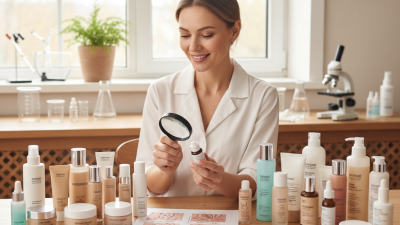
Many formulations also include synthetic dyes, which can irritate sensitive skin. Consumers should read labels carefully. Familiarity with terms like “Fragrance-Free” is crucial. While natural products can sound appealing, remember that not all are safe. Formulating skincare is complex. It often requires trial and error. The gap between effective and harmful ingredients may not always be clear. Balancing beauty with safety remains an ongoing challenge for many buyers.
Top 10 Cosmetic Beauty Tips for Global Buyers to Know
| Tip |
Essential Ingredients to Look For |
Ingredients to Avoid |
| Moisturize Daily |
Hyaluronic Acid, Glycerin |
Parabens, Mineral Oil |
| Use Sunscreen |
Zinc Oxide, Titanium Dioxide |
Chemical UVA/UVB Filters |
| Exfoliate Regularly |
Alpha Hydroxy Acids (AHAs) |
Microbeads, Large Grit Scrubs |
| Choose Natural Oils |
Argan Oil, Jojoba Oil |
Synthetic Fragrances |
| Stay Hydrated |
Nutrient-rich Water |
Sugary Beverages |
| Use a Primer |
Silicones, Niacinamide |
Alcohol |
| Opt for Light Foundation |
Mineral Makeup, Lightweight Formulas |
Heavy Oil-based Foundations |
| Nourish Lips |
Shea Butter, Coconut Oil |
Menthol, Artificial Colors |
| Don't Sleep with Makeup |
Water-based Cleansers |
Harsh Scrubs |
| Invest in Good Skincare |
Peptides, Antioxidants |
Sulfates |
How to Properly Layer Skincare Products for Maximum Impact
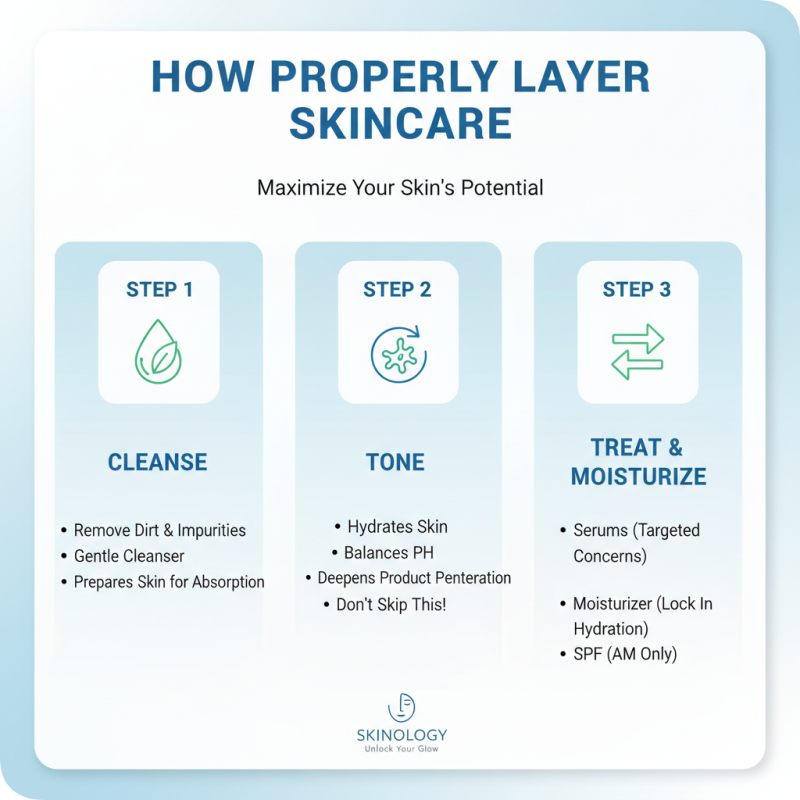
Properly layering skincare products can significantly enhance their effectiveness. Start with a clean face to remove dirt and impurities. A gentle cleanser is ideal, as it prepares the skin for better absorption. After cleansing, apply a hydrating toner. This step not only balances your skin’s pH but also helps subsequent products penetrate deeply. Many forget this step, which can lead to uneven results.
Next, focus on serums tailored to your skin concerns. Whether it’s anti-aging or hydration, applying serums before heavier creams increases their effectiveness. Use a small amount and pat it gently onto your skin. This method allows for better absorption without overwhelming your skin. After serums, moisturizers can trap moisture and provide lasting hydration. Choose a lightweight product if you have oily skin, or a richer formula for dry areas.
Lastly, don’t overlook the importance of applying sunscreen during the day. Even if your moisturizer has SPF, it’s vital to apply it separately for maximum protection. Always reapply throughout the day. Keep in mind that layering is an art, not a science. Everyone’s skin is unique, so adjustments may be necessary. What works one day might not feel right the next. Pay attention to how your skin reacts, and be open to tweaking your routine.
The Importance of Patch Testing New Beauty Products Before Use
When exploring new beauty products, patch testing can be a game changer. This simple step helps you avoid adverse reactions. It involves applying a small amount of the product to a discreet area of skin. Common areas include the inside of your wrist or behind your ear. Wait 24 to 48 hours to see how your skin responds. Redness, itching, or swelling suggests the product isn’t compatible with your skin.
Many people skip this essential step. They rush to use excitement over a new purchase. However, reactions can range from mild irritation to severe allergic responses. Understanding your skin type is crucial. Every skin is unique. What works for one person may not work for another. Take the time to prioritize your skin’s health.
While patch testing is not foolproof, it significantly reduces risks. It’s a valuable habit to develop. Encourage friends and family to do the same. Share your experiences and findings. This collective knowledge builds a community of informed cosmetic users. Remember, safety should always come first in beauty.
Top 10 Cosmetic Beauty Tips for Global Buyers
This bar chart illustrates the frequency of various beauty tips considered essential by global buyers, emphasizing the importance of patch testing new beauty products before use.
Tips for Sustainable and Ethical Cosmetic Purchasing Decisions
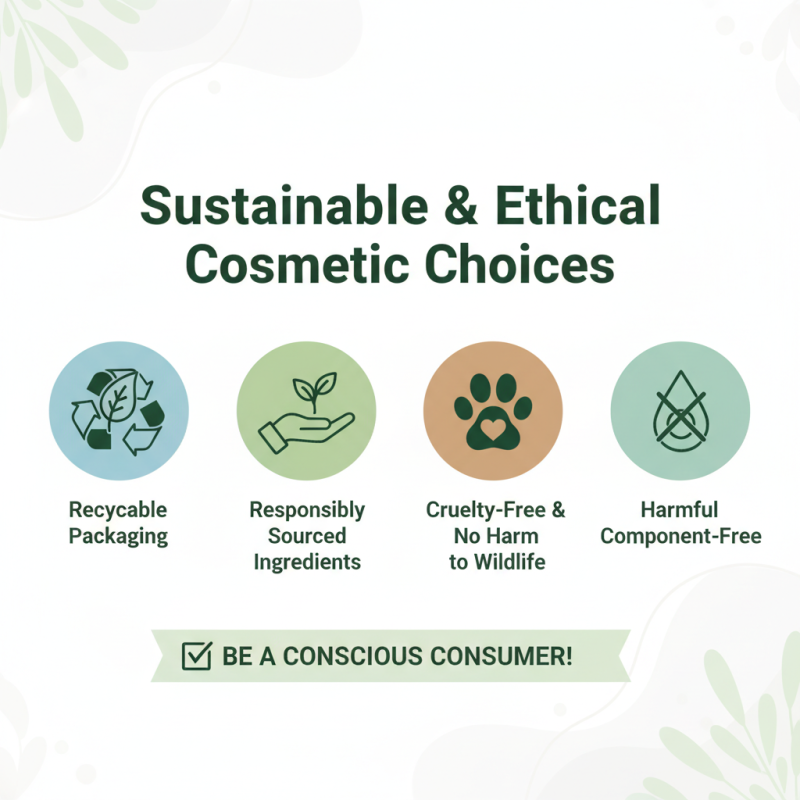
When considering cosmetic purchases, ethical choices should guide your decisions. Look for brands that prioritize sustainability. Check their packaging; is it recyclable? Are ingredients sourced responsibly? Many cosmetics contain harmful components. Ensure cosmetics are cruelty-free and do not harm wildlife.
Seek transparency in ingredient lists. Avoid products with vague terms. Instead, choose those that clearly state their origins. It’s worth diving deeper into a company’s practices. Researching can reveal their commitment to ethical sourcing. Social and environmental impact matters.
Consider supporting local artisans. They often use traditional, sustainable methods. By investing in smaller brands, you help reduce your carbon footprint. However, not every local brand is perfect; some may lack formal certifications. Always ask questions. Engage with communities to find reliable sources. Reflect on your purchasing habits. Each choice contributes to a larger impact.