What Are the Top 10 Zipper Pouch Types?
Choosing the right Zipper Pouch begins with understanding how people use, store, and transport a product. A pouch for roasted coffee needs strong seals and aroma protection. A snack pouch may need a wide opening, easy handling, and a stable bottom. Cosmetic pouches often require clean surfaces, attractive printing, and dependable closure performance. Small details matter, especially when a zipper is opened beside a busy kitchen counter or inside a travel bag.
Lisa McTigue Pierce, a respected packaging industry writer, has emphasized, “Packaging must protect the product while communicating its value.” That principle guides this review of the top 10 Zipper Pouch types. Each style has practical strengths, limitations, and different material requirements. Stand-up pouches save shelf space. Flat pouches suit lightweight products. Spouted designs support controlled pouring. Slider zippers improve convenience, although they can increase cost and production complexity.
The “best” pouch is not universal. It depends on product weight, moisture sensitivity, filling method, storage conditions, and customer expectations. Sometimes, a beautiful pouch performs poorly after repeated opening. That is an easy mistake to make. Sustainable material choices also require careful testing, not attractive claims alone. This guide compares the leading Zipper Pouch formats through a practical lens, including usability, protection, appearance, and manufacturing considerations. It may not answer every packaging question. However, it should help buyers, designers, and product teams make more informed decisions.
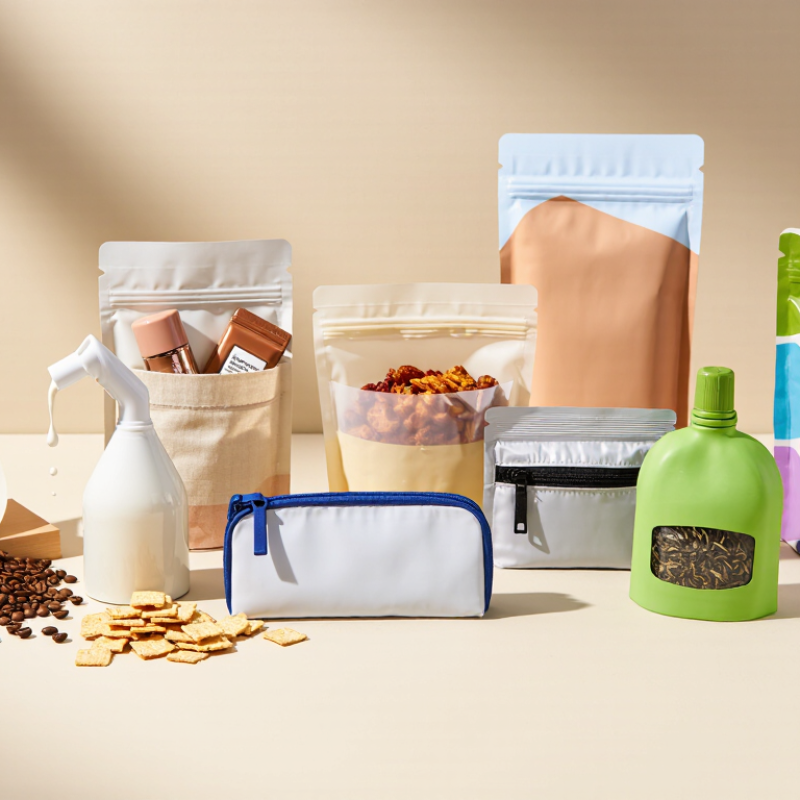
How Zipper Pouches Are Classified by Structure and Function
What Are the Top 10 Zipper Pouch Types?
How Zipper Pouches Are Classified by Structure and Function
Zipper pouches are best classified by construction and use, not appearance alone. A flat pouch has three sealed sides and suits lightweight snacks or small accessories. A stand-up pouch uses a bottom gusset, allowing it to remain upright on a shelf. A side-gusset pouch expands from its edges and holds bulky contents. A flat-bottom pouch offers stronger support for heavier products. These four types differ mainly in stability, capacity, and available printing area.
Closure and dispensing features create other practical categories. A slider pouch opens quickly and helps users reseal contents with less effort. A spouted pouch supports controlled pouring for liquids or semi-liquid products. A vacuum pouch removes air and can reduce package volume during storage. A retort pouch is built for heat processing and requires carefully selected films and seals. A shaped pouch uses custom contours for easier handling or stronger visual distinction. A child-resistant zipper pouch adds an access-control feature for products requiring additional household safety.
In packaging evaluations, I check seal alignment, zipper strength, and opening force by hand. Small details matter. A pouch may look attractive yet fail when the zipper catches product dust. Moisture, temperature, and filling speed also affect performance. One imperfect assumption deserves attention: thicker film does not automatically create a better pouch. It can improve puncture resistance, but may reduce flexibility and increase material use. The right type depends on product weight, shelf conditions, user habits, and disposal requirements.
Flat Zipper Pouches for Documents, Accessories, and Everyday Storage
Flat Zipper Pouches for Documents, Accessories, and Everyday Storage
Flat zipper pouches remain one of the most practical choices among the top ten pouch types. Their slim shape fits neatly inside backpacks, drawers, and filing cabinets. I have found them especially useful for receipts, travel documents, charging cables, and small stationery items. They use little space while keeping loose objects together.
Different flat pouch types suit different routines. A transparent pouch helps locate passports, notes, or adapters quickly. A padded version offers better protection for glasses and delicate accessories. Water-resistant fabric works well for toiletries or damp items, but it is not always fully waterproof. Expandable pouches hold more, although their shape becomes less tidy. Document sleeves are ideal for papers, yet they may feel too narrow for bulky accessories. That small mismatch matters.
Tips: Measure your largest item before choosing a pouch. Check the zipper movement and stitching carefully. Keep paper documents away from wet items. Label similar pouches to avoid repeated searching.
A good pouch should open smoothly and lie flat on a desk. Rounded corners reduce awkward snagging inside a bag. I prefer a firm edge because soft materials can collapse during packing. Still, very rigid pouches waste space when partly empty. This is where personal use matters more than appearance. A pouch that looks organized online may feel inconvenient after a week. Testing it with real items is more reliable.
What Are the Top 10 Zipper Pouch Types?
Representative flat zipper pouch formats for documents, accessories, and everyday storage, ranked by typical storage width.
The measurements show representative pouch widths based on common paper formats, personal accessories, and everyday carry items. Actual pouch dimensions vary by design and closure allowance.
Specialized Zipper Pouches: Mesh, Insulated, Waterproof, and Travel Types
What Are the Top 10 Zipper Pouch Types?
Specialized zipper pouches solve different storage problems. Mesh pouches suit gym clothes, cables, and small items needing airflow. Their see-through fabric makes finding contents quick. However, loose mesh can snag on sharp objects.
Insulated zipper pouches help maintain the temperature of snacks, medicine, or baby food for short periods. A thick lining and reliable zipper reduce heat transfer. They do not replace proper refrigeration. Waterproof pouches protect documents, electronics, and toiletries from splashes. Look for sealed seams, not only water-resistant fabric. A simple tissue test can reveal weak areas before travel.
Travel pouches often include compartments for passports, chargers, cards, and personal care items. The other useful types include cosmetic, stationery, cable, coin, document, and tool pouches. During packing, I prefer a wide opening and smooth zipper movement. Tiny compartments sound useful, but they can become cluttered quickly. That design often disappoints.
Material choice matters. Nylon feels light, while coated fabric usually offers stronger moisture protection. Metal zippers can feel durable, yet they may add weight. Check stitching around handles and corners because these points receive repeated stress. One practical mistake is overfilling a pouch. The zipper may close, but the seams slowly stretch. A well-designed pouch should remain usable after daily handling, not only look organized in a product photograph.
How to Compare Zipper Pouches by Material, Capacity, Closure, and Use
What Are the Top 10 Zipper Pouch Types?
How to Compare Zipper Pouches by Material, Capacity, Closure, and Use
The top ten types include stand-up, flat, slider, foil, kraft paper, mesh, transparent, freezer, travel, and multi-compartment pouches. Each serves a different storage problem. Stand-up pouches hold sauces, snacks, or powders neatly on shelves. Flat pouches save space in drawers and shipping cartons. Transparent film helps users identify contents quickly. Mesh allows airflow but offers less protection from moisture. I have found that shape often matters more than appearance.
Material affects strength, visibility, and product protection. Polyethylene feels flexible and handles routine packing well. Foil laminate blocks light and limits moisture transfer, making it useful for sensitive dry goods. Kraft paper looks natural, but it usually needs an inner coating for better resistance. A reusable fabric pouch can suit travel accessories, although it may absorb spills. That detail is easy to overlook.
Capacity should match the actual item, not an optimistic estimate. A 100-milliliter pouch may fit small cables, while a larger stand-up pouch needs headspace for sealing. Closure choice also changes daily use. Standard press-to-close tracks are simple and economical. Slider closures open faster, especially with wet hands. Double tracks can improve security, but they may require more pressure. For freezer storage, choose flexible material and a closure that remains sealed at low temperatures. My own comparison mistake was judging pouches when empty. Filled pouches reveal weak seams, awkward corners, and wasted space. Test those details before ordering in volume.