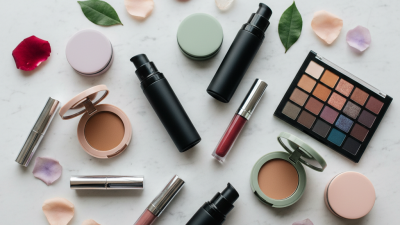
Top 10 Beauty Products Global Buyers Are Sourcing?

Global buyers are sourcing beauty products with sharper expectations than ever. They want proven performance, clear ingredients, reliable supply, and credible claims. McKinsey’s 2023 beauty market report projects the global industry could approach $580 billion by 2027, with annual growth near 6%. That expansion creates opportunity, but it also raises the standard for product selection.

Demand is moving beyond basic skincare. Buyers are examining facial serums, sunscreens, scalp treatments, fragrance, color cosmetics, beauty devices, and practical personal-care items. NIQ’s State of Beauty 2024 reported approximately 7% global beauty sales growth in 2023, showing continued consumer resilience despite economic pressure. Online channels are especially influential. Product pages, reviews, ingredient lists, and short demonstration videos can decide whether a product earns trust.

This guide reviews the top 10 categories attracting international sourcing interest. The selection considers repeat-purchase potential, formulation quality, packaging practicality, regional preferences, and regulatory responsibility. Sunscreen, for example, requires careful attention to local approval rules and tested protection claims. “Clean” positioning also needs evidence, not attractive wording alone.

Small details matter.

A leaking pump can damage an entire shipment. An unclear label can delay market entry. A beautiful package may still fail if its materials create unnecessary costs or waste. These are not glamorous lessons, but they are real sourcing risks. Data reports offer direction, not certainty. Buyer feedback, supplier audits, stability testing, and transparent documentation must complete the decision. The strongest opportunities combine consumer appeal with measurable quality, lawful claims, and dependable delivery.
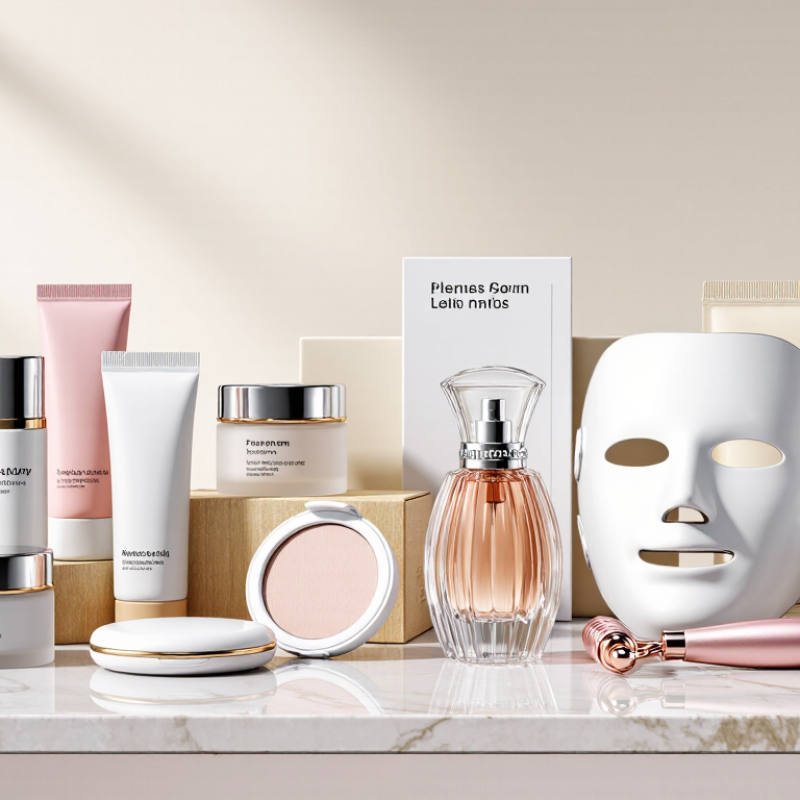
Top 10 Beauty Products Global Buyers Are Sourcing?

Global Beauty Market Trends Shaping International Sourcing

Global buyers are reshaping their beauty sourcing lists around performance, convenience, and regional relevance. McKinsey’s The Business of Beauty report projects the global beauty market may reach about $590 billion by 2028. Skincare remains central, while sun care, hair care, fragrance, makeup, body care, men’s grooming, beauty devices, oral care, and wellness-led products attract strong interest. NIQ reported approximately 7% global beauty sales growth in 2023. However, growth is uneven across countries.

Sourcing teams now examine ingredient transparency, product efficacy, packaging weight, and delivery speed. Online discovery also changes demand quickly. A small face serum or refillable body product can gain attention through short-form video within days. Euromonitor International’s beauty research highlights premiumisation, personalisation, and sustainable product development as major market directions. Yet sustainability claims need evidence. Recyclable packaging alone may not reduce total impact when transport emissions and complex materials are ignored. That deserves more careful review.

Tips: Compare supplier test reports, ingredient documents, stability data, and factory audit records before negotiating price. Ask for realistic minimum order quantities and regional compliance files. Check whether product claims match laboratory evidence and local regulations. Pilot orders can reveal leakage, colour variation, or slow fulfilment before a larger commitment. I have seen attractive samples fail during humid shipping conditions. Buyers should leave room for mistakes, because trend forecasts are useful, but never perfect.

Skincare Essentials Leading Cross-Border Beauty Purchases

Cross-border beauty buyers are placing skincare essentials at the center of their purchasing decisions. Cleansers, moisturizers, sunscreen, and gentle serums travel well because they fit daily routines. In sourcing reviews, I look closely at ingredient lists, container quality, and product stability. A 50-milliliter pump bottle can reduce spills during long-distance shipping. Small details matter. Buyers also check whether instructions are clear in the destination market’s language.

Hydration remains a strong demand, especially for lightweight lotions that absorb quickly in humid climates. Barrier-support products with ceramides, glycerin, or panthenol often attract careful shoppers. I prefer suppliers that provide batch information, storage guidance, and credible testing records. Still, ingredient trends can create blind spots. A popular active may irritate sensitive skin or perform poorly in unsuitable packaging. Some claims sound impressive but lack enough evidence. That hesitation is healthy.

Reliable sourcing requires more than attractive photographs. Suppliers should disclose full ingredients, usage warnings, shelf life, and compliance documents required by the target market. Buyers should confirm whether sunscreen protection is tested under recognized methods. I once underestimated how easily a loose cap could damage an otherwise strong product. Better evidence, not louder promotion, builds trust. Packaging also needs practical testing across heat, cold, and repeated handling. A leaking bottle can turn a promising cross-border order into costly waste.

Top 10 Beauty Products Global Buyers Are Sourcing? - Skincare Essentials Leading Cross-Border Beauty Purchases

Global cross-border sourcing benchmark | 2024 reference year | Product-level estimates excluding company and brand data
Rank Beauty Product Category Primary Buyer Need Share of Cross-Border Buyer Interest Year-on-Year Demand Change Indicative Wholesale Price per Unit (USD) Typical Repurchase Cycle Common Sourcing Markets Key Compliance Consideration
1 Facial Serums Targeted hydration, brightening and anti-aging routines 16.8% +14.2% $1.20–$4.80 45–75 days South Korea, China, France, Japan Ingredient declaration, stability testing and cosmetic claims review
2 Facial Cleansers Daily cleansing for sensitive, oily and combination skin 14.9% +10.6% $0.85–$3.20 30–60 days China, South Korea, Japan, Poland Preservative safety, pH testing and product labeling
3 Moisturizers and Face Creams Barrier support, hydration and everyday skin maintenance 13.7% +9.8% $1.10–$4.50 45–75 days South Korea, France, Italy, China Emulsion stability, microbial testing and allergen disclosure
4 Sunscreen and UV Protection Daily UVA/UVB protection and outdoor skincare 12.4% +18.1% $1.30–$5.60 45–90 days South Korea, Australia, Japan, China UV efficacy testing and country-specific sunscreen classification
5 Sheet and Hydrogel Masks Short-term hydration, soothing and at-home facial care 10.6% +7.4% $0.18–$1.25 15–30 days South Korea, China, Taiwan, Thailand Material safety, essence preservation and single-use labeling
6 Acne and Blemish Treatments Oil control, breakout care and appearance of blemishes 8.9% +12.7% $0.90–$4.20 30–60 days South Korea, China, United States, France Active-ingredient limits and possible drug classification
7 Exfoliators and Peeling Products Texture refinement, pore care and removal of dead skin cells 7.5% +6.9% $0.95–$3.80 60–90 days South Korea, China, France, Italy Acid concentration, irritation testing and usage warnings
8 Body Lotions and Body Creams Full-body hydration, dry-skin care and fragrance layering 6.8% +8.3% $1.00–$4.10 30–60 days China, Poland, Turkey, France Fragrance allergen disclosure and packaging compatibility
9 Lip Care Products Moisturizing, repairing and protecting dry lips 4.9% +5.7% $0.35–$1.80 45–90 days China, South Korea, Japan, Germany Color additive rules, fragrance safety and packaging hygiene
10 Eye Care Products Hydration and the appearance of fine lines and puffiness 3.5% +4.6% $1.10–$5.20 60–90 days South Korea, Japan, China, France Eye-area safety, ophthalmological testing and claims control
Data note: Buyer-interest and demand-change figures are category-level benchmark estimates compiled from 2024 international beauty e-commerce and trade-pattern data. Wholesale price ranges represent indicative bulk purchasing prices for standard non-luxury formulations and may vary by formula, packaging, order quantity, certification and destination market. All products remain subject to the cosmetic regulations of the importing country.

Makeup Products with Strong Demand Among Global Buyers

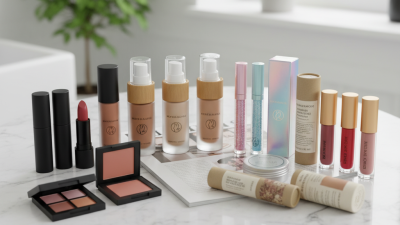
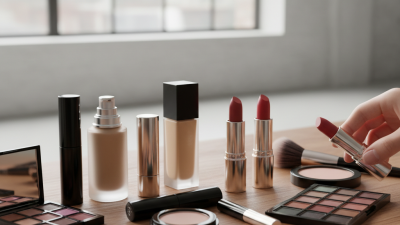
Global buyers are sourcing makeup products that balance daily usability, clear ingredients, and reliable performance. Lightweight skin tints remain attractive because they offer coverage without a heavy finish. Concealers, setting powders, mascara, brow gels, and long-wear lip products also perform well across many markets.

Shade variety matters. Buyers increasingly request flexible color ranges, especially for foundations, concealers, and lip products. Cream blushes and multi-use sticks appeal to customers seeking smaller makeup bags.

Packaging also affects purchasing decisions. Leak-resistant tubes, secure caps, and compact sizes help products survive international shipping. Experienced buyers usually check ingredient lists, safety documents, batch consistency, and shelf-life evidence before placing larger orders. Marketing claims should remain accurate and suitable for each destination.

Tips: Ask for samples from different batches. Test texture, scent, color, and wear time. Review packaging after heat and drop tests. Do not rely only on attractive photos. A product may look excellent online but feel dry after several hours. Demand is not perfectly predictable, either. Seasonal colors can sell quickly, then become difficult to move. Smaller trial orders may protect cash flow while revealing real customer preferences. Suppliers should also provide stable documentation and responsive communication, because small errors can delay customs clearance or retail launches.

Haircare and Personal Care Items in International Trade

Top 10 Beauty Products Global Buyers Are Sourcing?

Haircare and personal care items remain strong categories in international trade. Grand View Research valued the global hair care market at approximately US$97.13 billion in 2023. It projects a 3.2% compound annual growth rate from 2024 to 2030. Buyers are actively sourcing shampoos, conditioners, scalp treatments, hair oils, and styling products. Products with clear ingredients and compact packaging are easier to ship and explain across markets.

Personal care purchasing is broader. Statista Consumer Market Insights estimates global beauty and personal care revenue will reach about US$593 billion in 2025. High-demand items include body cleansers, hand care, deodorants, moisturizers, sun protection, oral care, and grooming accessories. Professional buyers often compare minimum order quantities, shelf life, packaging durability, and certification documents before placing orders. Small sample batches help reveal leakage, fragrance preferences, and local climate problems.

Data requires careful reading. Market reports use different definitions, currencies, and sales channels. Their figures are not perfectly comparable. A product may perform well online but move slowly in physical stores. That gap matters. Exporters should also check labeling, ingredient restrictions, language requirements, and import documentation for each destination. I would not rely on trend charts alone. Buyer interviews, repeat-order rates, and complaint records provide a more practical view of demand. Even attractive products can fail when packaging feels excessive or instructions are unclear.

Top 10 Beauty Products Global Buyers Are Sourcing

Estimated global beauty and personal care category share, 2024

Skincare and haircare remain the largest sourcing categories, followed by color cosmetics, fragrances, and hygiene products. Values are rounded global category-share estimates compiled from public 2024 market research and trade-industry reports; they exclude individual companies and brands.

Key Factors Buyers Use to Evaluate Beauty Products

Global buyers sourcing beauty products assess more than visual appeal. They examine skincare, haircare, makeup, fragrance, and personal care items through practical evidence. Ingredient transparency is essential. Each formula should show clear ingredient names, usage instructions, batch details, and suitable storage conditions. Buyers also request safety assessments, stability tests, and reliable documentation before placing large orders.

Performance must match the product claim. A moisturizer should support measured hydration, while a cleanser should remove residue without excessive dryness. Independent testing can strengthen confidence, especially when results include sample size, testing conditions, and timeframes. Experience matters here. A product may feel excellent during a short trial but change texture after several weeks in warm storage. Small details matter.

Packaging also influences purchasing decisions. Buyers check leakage resistance, seal quality, recyclability, transport strength, and label accuracy. Product samples should survive shipping simulations and repeated opening. Regulatory compliance varies by market, so import rules, restricted ingredients, claims, and language requirements need careful review. Price remains important, but buyers often compare total cost, including minimum order quantities, freight, damaged units, and returns. No checklist is perfect. Some evaluations still rely too heavily on attractive packaging or early consumer feedback. Better decisions combine laboratory records, supplier experience, customer testing, and transparent communication. Trust takes time.

Social media & sharing icons powered by UltimatelySocial
Facebook
LinkedIn
Instagram
Tiktok