Essential Tips for Choosing the Right Cosmetic Vendors?
Choosing the right cosmetic vendors is crucial for any brand in the beauty industry. In 2021, the global cosmetics market was valued at approximately $380 billion, and it is expected to grow significantly. This growth emphasizes the importance of selecting the right partners. Cosmetic vendors play a pivotal role in product quality, brand reputation, and market success.
Finding reliable cosmetic vendors can be challenging. Numerous companies offer a wide array of products, but not all are trustworthy. Reports indicate that about 30% of brands struggle with supplier reliability. If brands partner with unreliable vendors, they risk underwhelming product launches. They might face quality issues that lead to customer dissatisfaction and increased returns. It’s essential to conduct thorough due diligence.
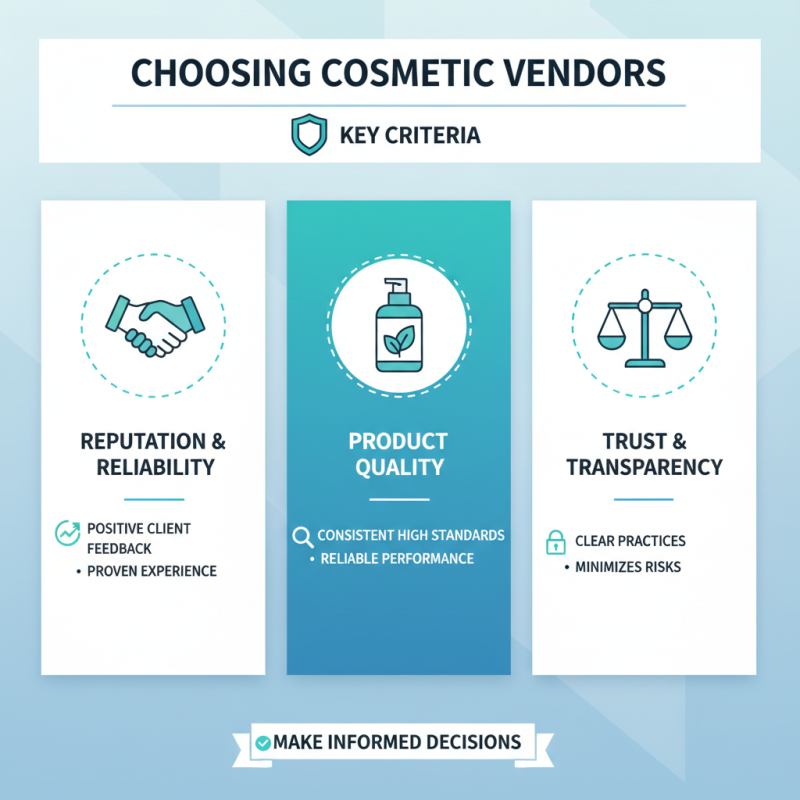
Focusing on specific vendor qualities can ease the selection process. Look for vendors with a strong track record in quality control and innovation. Explore their product range and customer feedback. Reflect on the importance of aligning your brand values with those of your vendors. A mismatch can lead to conflicts and operational challenges. Thoughtful vendor selection is an investment that pays off in the long run.

Understanding the Different Types of Cosmetic Vendors Available
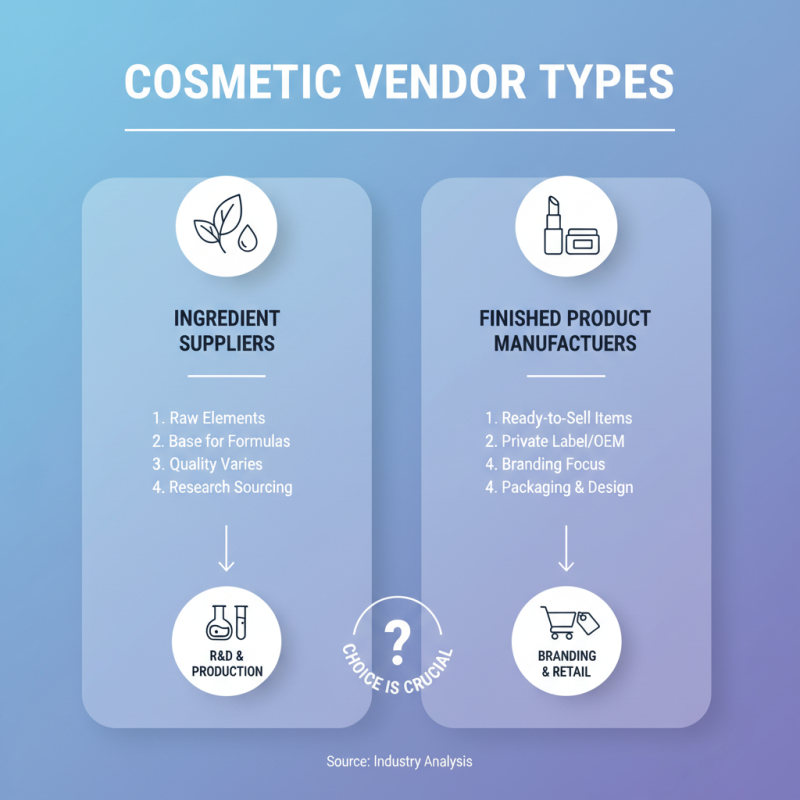
When selecting cosmetic vendors, understanding the types available is crucial. There are various categories of vendors. Some specialize in raw ingredients, while others focus on finished products. Ingredient suppliers provide the base elements for cosmetics. They can offer diverse options, but quality varies greatly. It's essential to research and ask questions about sourcing.
On the other hand, private label vendors supply pre-made products that can be branded. This option saves time but limits customization. Products often have a generic feel. It can be a good choice for startups, but beware of potential issues with quality control.
Lastly, contract manufacturers create custom formulations. This route allows for unique products tailored to specific needs. However, it can be more costly and time-consuming. Finding the right balance is key. Evaluate your brand’s goals and budget when deciding. Ensure your chosen vendor aligns with your vision. Be open to adapting your approach along the way. Embrace the learning process, as it can lead to better choices in the long run.
Identifying Your Business Needs and Goals for Cosmetic Products
Identifying your business needs is crucial when choosing cosmetic vendors. Begin by evaluating what your brand stands for. Are you focusing on sustainability? Or perhaps on high-performance ingredients? Clarifying these values helps narrow down your options.
Next, consider your target audience. What demographics are you serving? Are they trend-driven, or do they prefer classic products? Understanding their preferences will guide your vendor selection process.
Another factor to reflect on is your budget. Not all vendors offer the same quality or pricing. It’s essential to balance cost with quality. Sometimes, cheaper options compromise product integrity. A thoughtful assessment will reveal the vendor that aligns best with your goals, even if the choice isn’t perfectly clear.
Essential Tips for Choosing the Right Cosmetic Vendors
| Criteria |
Description |
Importance Level |
| Quality of Products |
Evaluate the ingredient quality and safety standards. |
High |
| Pricing Structure |
Analyze pricing models and understand cost-effectiveness. |
Medium |
| Vendor Reputation |
Research vendor reviews and client testimonials. |
High |
| Range of Products |
Ensure they offer a diverse line to meet market demands. |
Medium |
| Customer Support |
Evaluate the responsiveness and availability of customer service. |
High |
| Minimum Order Quantity (MOQ) |
Understand the MOQ and its impact on your inventory. |
Low |
| Sustainability Practices |
Check if the vendor follows eco-friendly practices. |
Medium |
Assessing Pricing Structures and Payment Terms with Vendors
When choosing cosmetic vendors, understanding their pricing structures and payment terms is crucial. Vendors often offer varied pricing based on order size and product type. Ensure you ask for a clear breakdown of all costs. Hidden fees can quickly inflate your budget.
Here's a tip: always compare quotes from multiple vendors. This will give you a clearer picture of what’s reasonable. Some vendors might also offer discounts for bulk orders. But don't solely focus on the price.
Payment terms can vary significantly. Some vendors require upfront payments, while others allow net terms. It's essential to assess how these terms affect your cash flow. Always read the fine print. Some contracts may include penalties for late payments. Reflect on whether you can realistically meet these obligations.
Building Strong Relationships and Communication with Cosmetic Suppliers
Building strong relationships with cosmetic suppliers is critical for success in the beauty industry. Trust and open communication foster collaboration. According to a recent industry report, over 70% of successful brands attribute their growth to solid supplier relationships. Regular check-ins and constructive feedback can prevent misunderstandings. It’s essential to ask questions and clarify expectations early on.
On the other hand, navigating supplier relationships can be challenging. Sometimes, cosmetic vendors may not meet deadlines or deliver quality products. Data shows that almost 30% of brands experienced disruptions due to supply chain issues. Developing a clear communication strategy helps in resilience. Establishing protocols for addressing issues can lead to quicker resolutions. It also encourages vendors to be more accountable.
Transparency is vital in these interactions. Sharing goals and vision can motivate suppliers, aligning their interests with yours. Yet, it requires continuous effort and reflection on both sides. Regular evaluations of the partnership can identify areas for improvement. This practice often saves time and prevents costly mistakes down the road. Remember, it’s a two-way street.
Essential Tips for Choosing the Right Cosmetic Vendors
This chart illustrates the importance of various factors when selecting cosmetic suppliers. The data reflects the percentage of professionals prioritizing key elements that foster strong relationships and effective communication with vendors.