How to Start a Private Label Skin Care Business in Canada
Starting a private label skin care business in Canada can be an exciting venture. With the skincare industry booming, many entrepreneurs are eager to jump in. Sarah Johnson, a leading expert in private label skin care Canada, states, “The secret to success lies in understanding market needs.” This highlights the importance of research in this field.
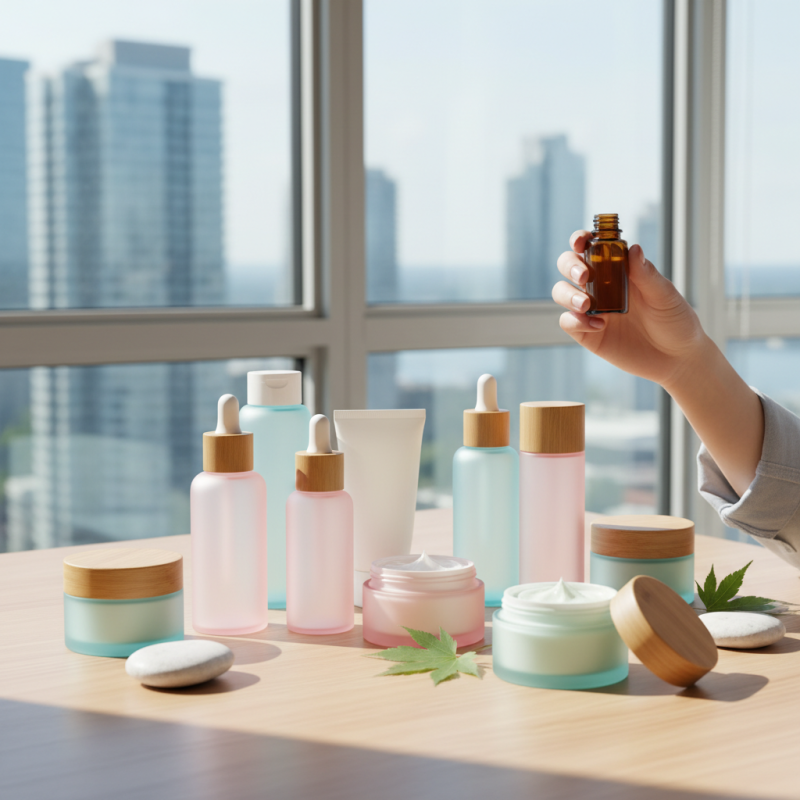
Finding the right products is just the beginning. Packaging plays a crucial role in attracting customers. In a crowded market, standing out is vital. Yet, many new business owners underestimate this. Proper branding can make or break your venture.
While the potential is high, challenges exist. Navigating regulations and sourcing quality ingredients can be daunting. New entrepreneurs often overlook these hurdles. It’s essential to have a solid business plan. Reflecting on your goals and strategies is key to sustained growth.
Understanding Private Labeling in the Skin Care Industry
Private labeling in the skin care industry is an attractive opportunity. It allows entrepreneurs to create their own brand without extensive manufacturing knowledge. You can source pre-made products and customize them with your brand’s label. This gives you control over branding while saving on production costs.
Understanding market trends is crucial. Consumers increasingly seek eco-friendly and cruelty-free options. However, not every product will resonate. Some may lack appeal or fail to meet quality standards. Conducting thorough research is vital. You must identify what consumers want. Engaging with customers through surveys can provide valuable insights.
Distribution channels are another consideration. Online sales may seem simple, but packaging and shipping can be challenging. Some products need special handling to maintain their quality. Reflect on your logistical capabilities. Do you have the infrastructure to manage returns or damaged goods?
Addressing these details can set your brand apart in a crowded market.
Researching the Canadian Market for Skin Care Products
Researching the Canadian market for skin care products is essential for any aspiring private label business. Canada offers a unique landscape with diverse consumer needs. Understanding local preferences can give your brand a significant edge. Conduct surveys and gather data on skin types, concerns, and beauty trends. This insight can guide product development.
Tips: Utilize online tools for market analysis. Websites and forums can provide valuable customer feedback. Keep an eye on your competitors, but focus on what makes your offerings unique.
Building connections with Canadian suppliers is crucial. Not all products will suit the market, and some may not meet local regulations. Test your formulations and packaging with small focus groups. Their feedback can help refine your product line.
Tips: Stay adaptable throughout the process. If a formulation does not resonate, don’t hesitate to tweak it. Continuous improvement based on feedback fosters consumer trust and loyalty. Aim to create products that genuinely meet your target audience's needs.
Developing a Unique Brand Identity and Product Line
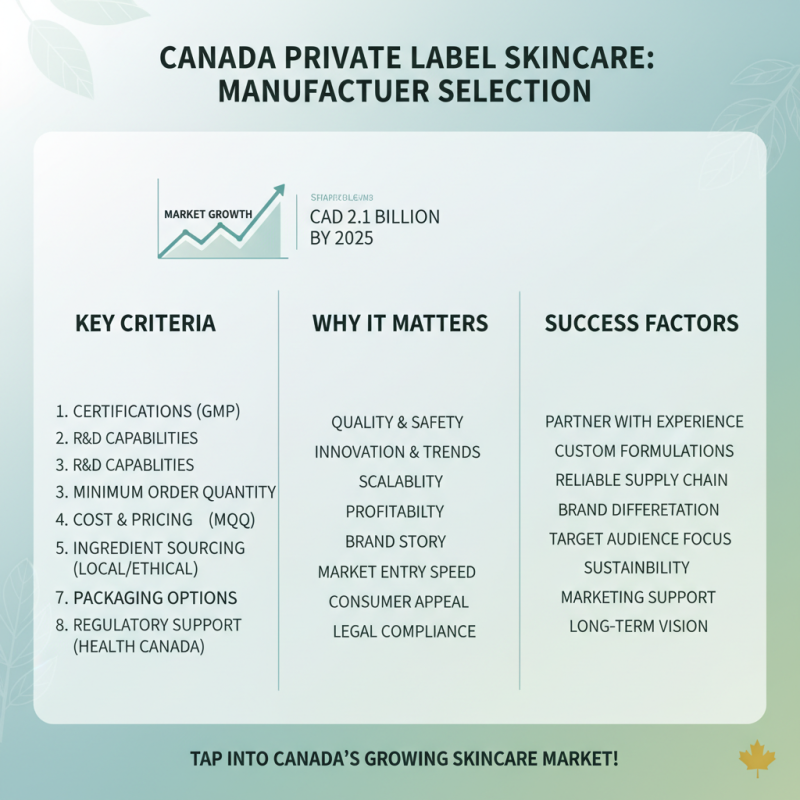
Creating a unique brand identity is vital for your private label skin care business in Canada. According to a 2022 report by Grand View Research, the skin care market is expected to reach $189.3 billion by 2025. This growth offers immense opportunities but also stiff competition. Consumers seek authenticity and connection with brands. You must present a clear story and mission that resonates with your target audience.
When developing your product line, focus on quality and differentiation. Conduct thorough research on ingredient sourcing and formulation. A product containing high-quality, natural ingredients can stand out. Around 70% of consumers prefer products with organic ingredients, according to a survey by Statista. Consider eco-friendly packaging, as 58% of consumers are willing to pay more for sustainable options. However, be prepared for some setbacks. Finding reliable suppliers and achieving consistent quality can be challenging.
Branding is more than just a logo. It’s about creating an emotional connection. Your visuals should reflect your values and target demographic. Incorporate feedback to continually refine your offerings. Remember, even the best-laid plans may not always go as expected. Embrace the journey and learn from customer interactions.
Navigating Legal Regulations and Compliance in Canada
Starting a private label skin care business in Canada involves understanding local laws and regulations. Health Canada is the key authority overseeing cosmetic products. They set strict guidelines to ensure safety and compliance. Your products must meet these standards before hitting the market. This can be overwhelming for beginners.
Labeling is another critical aspect. All products need clear ingredient lists and usage instructions. Missing any details can lead to penalties. Consumers must understand what they use on their skin. Regular audits can reveal compliance gaps. It's essential to keep updated with any changes in legislation.
Testing your products is non-negotiable. You must ensure they are safe for consumers. This often requires working with certified laboratories. It may surprise you how complex this process can be. Every formulation must be documented. Even minor changes require thorough reviews. Embracing this complexity is part of the journey, but it is vital for success.