How to Start Your Private Label Makeup Line Successfully?
In the vibrant world of beauty, launching a private label makeup line can be both exciting and challenging. Industry expert and cosmetic entrepreneur Lisa Adams emphasizes, “The key is to understand your target audience.” This insight highlights the need for tailored products that resonate with consumers. The private label makeup sector is rapidly growing, drawing many aspiring entrepreneurs.
Entering this market requires more than just a great idea. Research and careful planning are essential. Knowing whom you're selling to can shape your product offerings. Quality is paramount; consumers are discerning and expect the best. A bland or generic product risks being forgotten.
However, the journey is not without hurdles. Many entrepreneurs face challenges in sourcing materials and establishing a brand identity. Reflection on past mistakes is vital. Learning from missteps can strengthen your approach. Striving for excellence in private label makeup means constantly evolving. Embrace the journey, and with perseverance, success can follow.
Understanding the Private Label Makeup Market and Consumer Trends
The private label makeup market is thriving, driven by changing consumer behaviors and preferences. According to a recent report from Grand View Research, the global market size for private label cosmetics is expected to surpass USD 16 billion by 2025. This tremendous growth reflects a demand for affordable, high-quality alternatives to established brands. Consumers, especially millennials and Gen Z, are increasingly seeking products that align with their values. They desire cruelty-free, vegan options that are also eco-friendly.
As more consumers turn to e-commerce, brands must focus on their online presence. Data from Statista shows that about 43% of consumers prefer to purchase beauty products online. This shift demands that businesses enhance their digital marketing strategies. Engaging content on social media platforms and authentic brand storytelling can significantly improve consumer trust. However, many startups fail to differentiate themselves in a crowded market. Not understanding target demographics can hinder potential growth. Regular market research and adapting to consumer feedback are essential for long-term success.
In this rapidly evolving landscape, staying on top of trends is critical. The increasing popularity of clean beauty is an example of how consumer preferences can shift quickly. Brands must remain agile and open to re-evaluating their product lines. Innovation should be balanced with reliability and customer satisfaction. Failure to address these aspects can lead to missed opportunities. As the market grows, maintaining quality and transparency will be vital for building a loyal customer base.
Identifying Your Niche: Researching Product Categories and Competitors
Identifying your niche is crucial when starting a private label makeup line. The beauty industry is expected to reach $716 billion by 2025, highlighting fierce competition. An analysis of current market trends shows that in 2022, cosmetic products grew by 5.5%, indicating strong consumer interest. This data suggests a crowded space, making research essential.
Exploring product categories is vital. Skincare products lead the way, followed by color cosmetics and fragrance. Each category offers unique opportunities but comes with challenges, such as saturation. A report by Statista indicated that over 60% of beauty brands focus on skincare. However, the rising trend of clean beauty is creating room for innovation. Companies not prioritizing this shift risk being left behind.
Platform analysis aids in understanding competitors. Monitoring social media can reveal trends and customer preferences. Many brands successfully engage customers through storytelling and targeted marketing. Reviewing customer reviews can highlight strengths and weaknesses. Aim to differentiate your product. Small details can attract loyal customers. Reflecting on competitors’ mistakes allows you to refine your approach. A nuanced strategy can lead to meaningful insights and better market positioning.
Sourcing Quality Ingredients and Manufacturers for Your Makeup Line
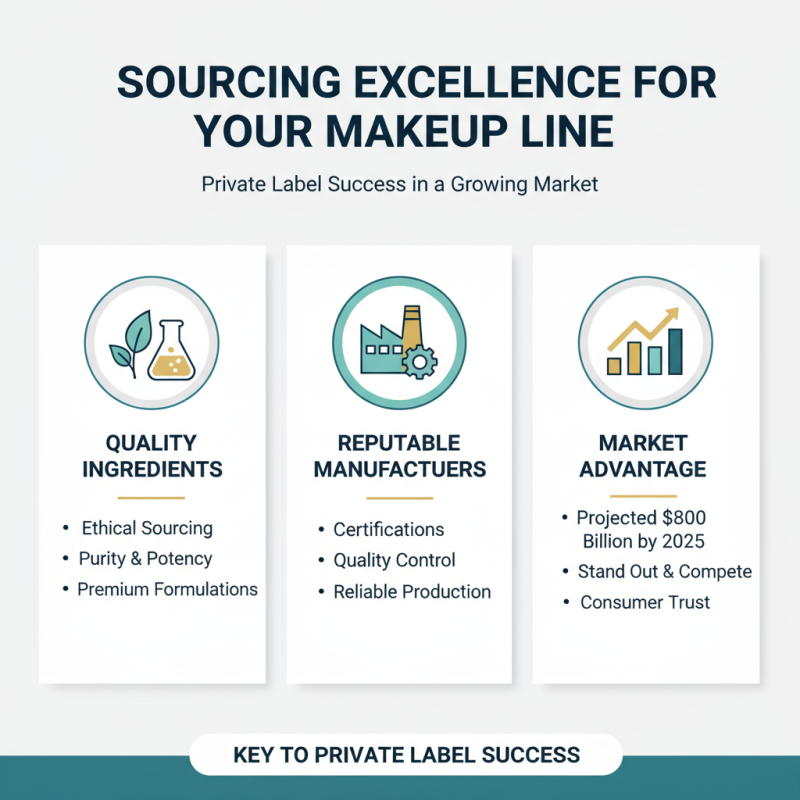
Sourcing quality ingredients and manufacturers is crucial for a successful private label makeup line. The global cosmetics market is projected to reach $800 billion by 2025, which highlights the significant competition. To stand out, you need high-quality products. Engage with reputable suppliers who prioritize ethical sourcing and quality control.
Consider using platforms that connect you with manufacturers. Reports indicate that almost 70% of new brands struggle with finding reliable partners. Researching reviews and certifications is essential. Understand the difference between organic and synthetic ingredients, as consumers increasingly favor natural products.
Transparency is vital. Share information about your sourcing process and ingredient quality with your audience. While it may take time to find the right partners, this investment is worthwhile. Reflecting on challenges, brands often face delays in product testing and formulation refinement. Prioritize communication with your manufacturer to avoid setbacks.
Developing a Compelling Brand Identity and Packaging Strategy
Creating a robust brand identity is vital for any private label makeup line. It starts with understanding your target audience. Research their preferences, values, and aesthetics. This knowledge shapes your brand’s voice and message. A compelling narrative can resonate deeply with customers. Ensure your brand story reflects authenticity. Authenticity builds trust—trust leads to loyalty.
Packaging is just as essential. The right design grabs attention. Use colors and textures that evoke the desired emotions. Make sure your packaging reflects your brand identity. It must be functional yet visually appealing. Eco-friendly materials can also enhance your brand’s reputation. These choices can set you apart in a crowded market.
Testing your packaging before launch is crucial. Gather feedback from potential customers. This step can highlight what works and what doesn’t. Be open to adjustments. Don't hesitate to rethink your colors or layout. A flexible approach can lead to better results. Embrace imperfections and learn from them. Continuous refinement can help shape a successful makeup line.
How to Start Your Private Label Makeup Line Successfully? - Developing a Compelling Brand Identity and Packaging Strategy
| Aspect |
Description |
| Market Research |
Analyze market trends and consumer preferences to identify gaps and opportunities. |
| Target Audience |
Define your ideal customer by demographics, interests, and purchasing behavior. |
| Brand Identity |
Create a unique brand story, logo, and color palette that resonate with your audience. |
| Product Development |
Develop high-quality products that meet market demands and comply with regulations. |
| Packaging Design |
Design visually appealing packaging that reflects your brand identity and attracts customers. |
| Marketing Strategy |
Utilize social media, influencer partnerships, and targeted advertising to promote your products. |
| Sales Channels |
Choose primary sales channels such as e-commerce, retail partnerships, or direct-to-consumer. |
| Customer Feedback |
Collect and analyze customer feedback to improve products and enhance customer satisfaction. |