How to Start Your Own Private Label Makeup Brand?
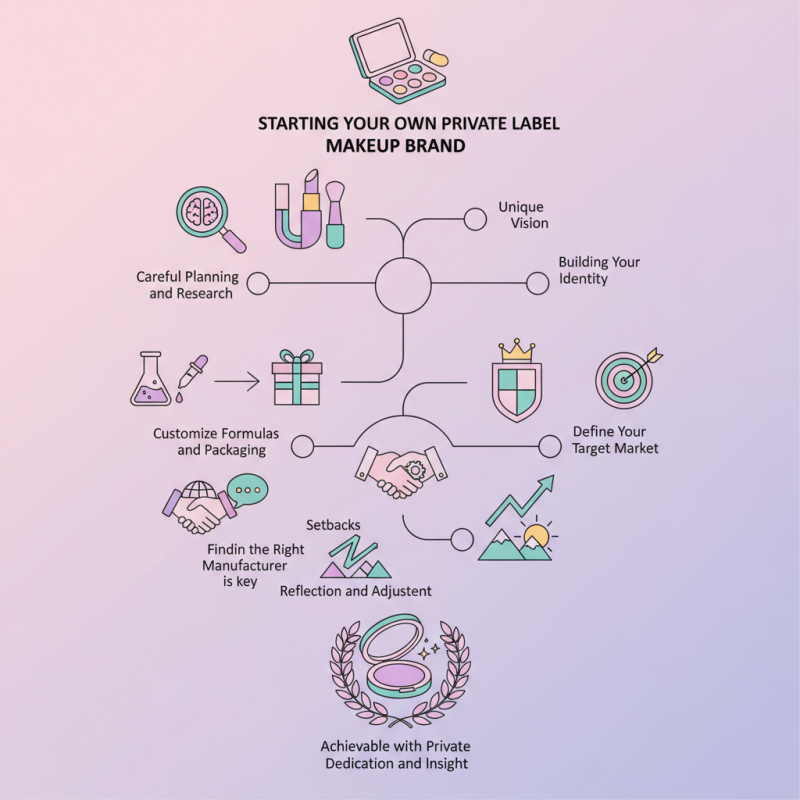
Starting your own private label makeup brand can be an exciting yet daunting journey. It requires careful planning and research. Many entrepreneurs are drawn to the beauty industry. However, standing out can be challenging. A unique vision is vital for success.
Private label makeup offers a path to create products under your own brand. This means you can customize formulas and packaging. However, finding the right manufacturer is not as straightforward as it seems. Communication is key, and sometimes misunderstandings can arise.
Building your brand identity is also crucial. Define your target market clearly. This will guide your product offerings. You may face setbacks that require reflection and adjustment. Embracing these challenges is part of the process. Your passion will help you navigate difficulties and grow your brand. Ultimately, the dream of launching a private label makeup line is achievable with dedication and insight.
Understanding the Private Label Makeup Business Model
Understanding the private label makeup business model is crucial for aspiring entrepreneurs. This model allows individuals to sell products manufactured by another company under their brand name. According to industry reports, the global private label cosmetics market was valued at over $22 billion in 2021. It is projected to grow significantly in the next few years.
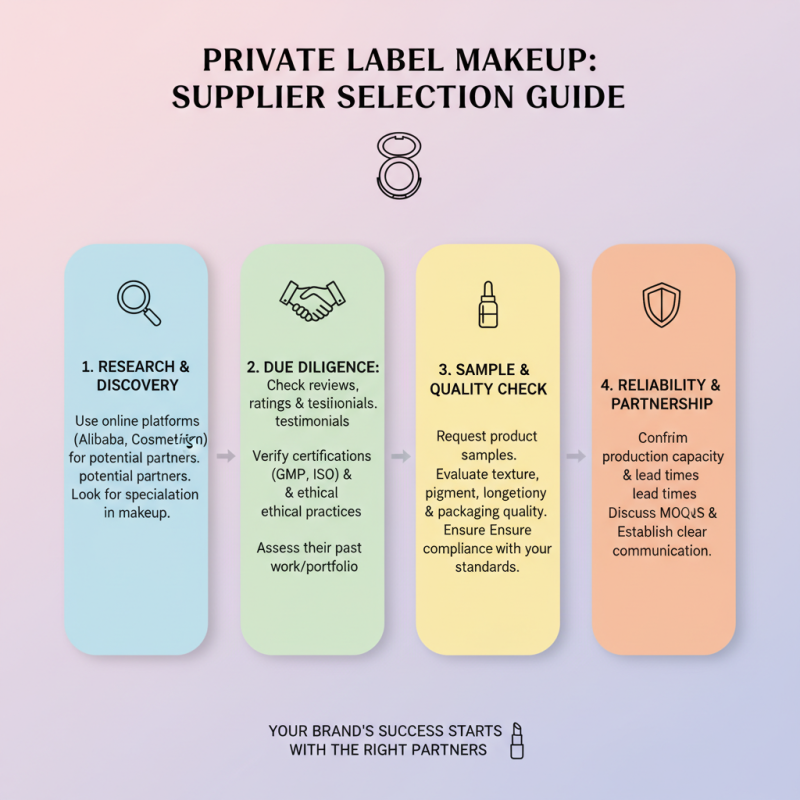
Many entrepreneurs are drawn to this model due to lower startup costs. You can create unique product lines without investing in manufacturing facilities. However, quality control is essential. Many brands face challenges in maintaining product consistency. Selecting reputable suppliers is crucial. A poor choice can ruin a brand's reputation quickly.
Marketing plays a key role in this business model. Building a strong brand identity is essential. Attractive packaging and an effective online presence can make a difference. Yet, understanding consumer preferences is complex. Trends change rapidly. Brands must adapt or risk losing market share. Continuous learning and agile strategies are necessary for long-term success.
Identifying Your Target Market and Niche in Makeup
Identifying your target market is crucial when starting a private label makeup brand. Recent studies show that millennials and Gen Z consumers represent over 50% of the global cosmetics market. Their preferences lean toward products that are clean, sustainable, and tech-savvy. This demographic responds well to brands that engage with them on social media platforms. Understanding their needs allows for a more effective product development process.
To establish your niche, research is essential. For example, the clean beauty segment alone is projected to reach $22 billion by 2024. This growth reflects a shift towards eco-friendly alternatives. However, the competition is fierce. You must ask: Who are you truly aiming to serve? What problems do they face that your brand can solve?
Creating a unique selling proposition (USP) often involves trial and error. Many new brands overestimate their product appeal and underestimate market saturation. It’s vital to test your ideas through surveys or focus groups. What works in theory may not be as effective in practice. Validating your concept before launch can save time and resources.
How to Start Your Own Private Label Makeup Brand? - Identifying Your Target Market and Niche in Makeup
| Market Segment |
Target Demographic |
Niche Focus |
Product Type |
Price Range |
| Luxury Makeup |
Affluent Women, Ages 25-40 |
Eco-Friendly Ingredients |
Foundations, Lipsticks |
$30 - $80 |
| Vegan Makeup |
Young Adults, Ages 18-30 |
Cruelty-Free Products |
Mascaras, Eyeliners |
$10 - $25 |
| Natural Makeup |
Health-Conscious Consumers |
Chemical-Free Ingredients |
Blushes, Eye Shadows |
$15 - $40 |
| Budget Makeup |
Teens and Students |
Affordable Beauty |
Lip Balms, Nail Polishes |
$5 - $15 |
| High-Performance Makeup |
Professional Makeup Artists |
Long-Lasting Wear |
Primers, Setting Sprays |
$20 - $50 |
Creating a Unique Brand Identity and Product Line
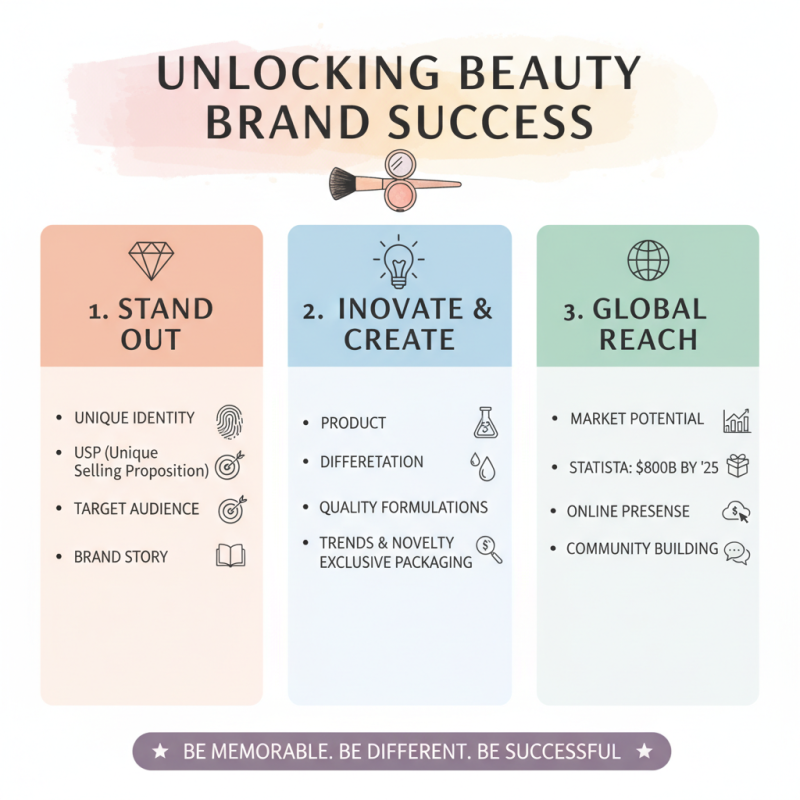
Creating a unique brand identity and product line is vital for any makeup brand. In the beauty industry, differentiation is key. According to a report by Statista, the global cosmetics market is projected to reach $800 billion by 2025. This means there's immense competition. Defining your unique selling proposition is crucial.
Your brand identity should resonate with your target audience. Choose a brand name and logo that reflects your values. Use colors and fonts that evoke feelings aligned with your mission. It's essential to research trends and gaps in the market. For instance, a study indicated that 68% of consumers want eco-friendly products. This could inspire a sustainable line that appeals to conscious consumers.
Your product line should be cohesive yet diverse. Start with a few core products, such as foundations or lipsticks. Keep quality high. A report found that 70% of consumers say quality is critical when choosing makeup. It’s essential to focus on sourcing high-quality ingredients. However, branding and product development often come with challenges. It's a constant process to adapt and refine. Listening to customer feedback is crucial. Sometimes, a product may not perform as expected, and that’s okay. Use those moments to improve. Finding the right mix of creativity and market demand will help in building a successful private label makeup brand.
Developing a Marketing Strategy for Your Private Label Brand
Developing a strong marketing strategy is vital for a successful private label makeup brand. The global cosmetics market was valued at approximately $532 billion in 2019 and is projected to grow by 4.75% annually. This growth signals ample opportunity but also fierce competition. To stand out, you need to understand your target audience deeply.
Tips: Conduct surveys to find out what customers desire. Use data analytics to refine your approach. People often seek cruelty-free and sustainable options. Brands that align with these values can capture market attention.
A vital aspect is branding. Your product should have a unique story that resonates. A study indicated that 75% of consumers purchase based on brand familiarity. Emphasizing quality and reliability can instill trust. Consider collaborating with influencers for authentic promotion. This method often yields higher engagement rates.
Tips: Choose influencers whose followers match your target demographic. Authentic ties can enhance credibility. But remember, not all collaborations work. Regularly review your marketing strategies for effectiveness. Adjust as needed to keep pace with evolving consumer preferences.