What is the Role of Cosmetic Vendors in the Beauty Industry Today
In today's rapidly evolving beauty industry, the role of cosmetic vendors has become increasingly significant. As the demand for diverse and innovative beauty products continues to rise, these vendors serve as crucial intermediaries between manufacturers and consumers. Their influence extends beyond mere distribution; they play a key part in shaping market trends, introducing new products, and enhancing consumer awareness about the vast array of options available.
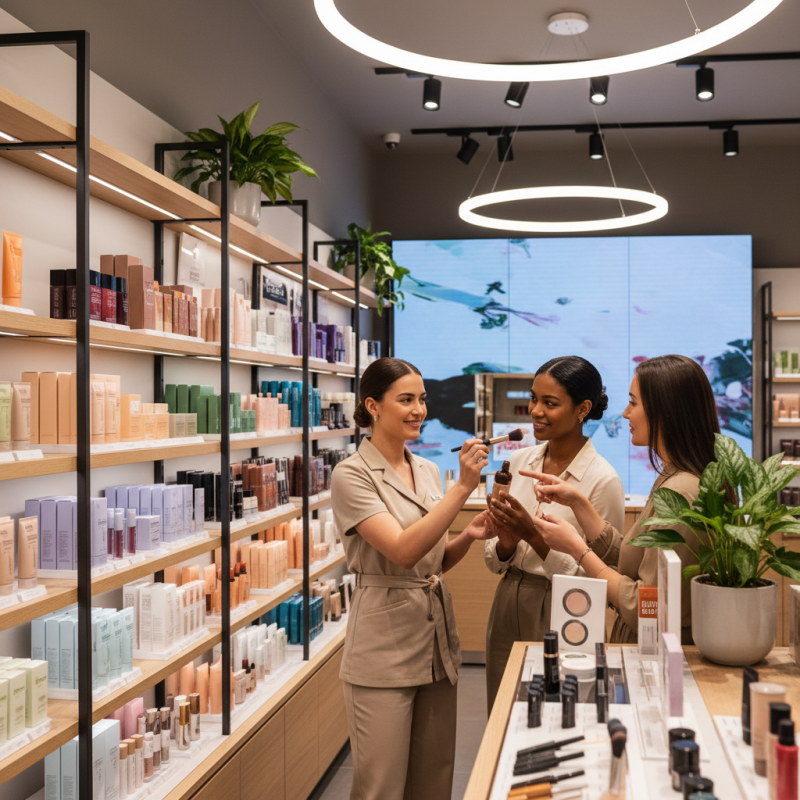
Cosmetic vendors are not only responsible for stocking shelves with the latest cosmetic innovations but also for educating consumers about product benefits and application techniques. This educational aspect is vital, given the plethora of choices that often overwhelm potential buyers. In addition to driving sales, vendors curate product selections that reflect current beauty trends and consumer preferences, ultimately helping brands reach their target audiences more effectively.
Moreover, as beauty consumers increasingly seek personalized and sustainable options, cosmetic vendors are adapting their strategies to meet these demands. By staying attuned to changing consumer behaviors and preferences, they can provide the guidance and support necessary for customers to make informed choices. Thus, the contribution of cosmetic vendors is pivotal in bridging the gap between product creators and users, fostering a more informed and engaged beauty community in the process.
The Evolution of Cosmetic Vendors in the Beauty Industry
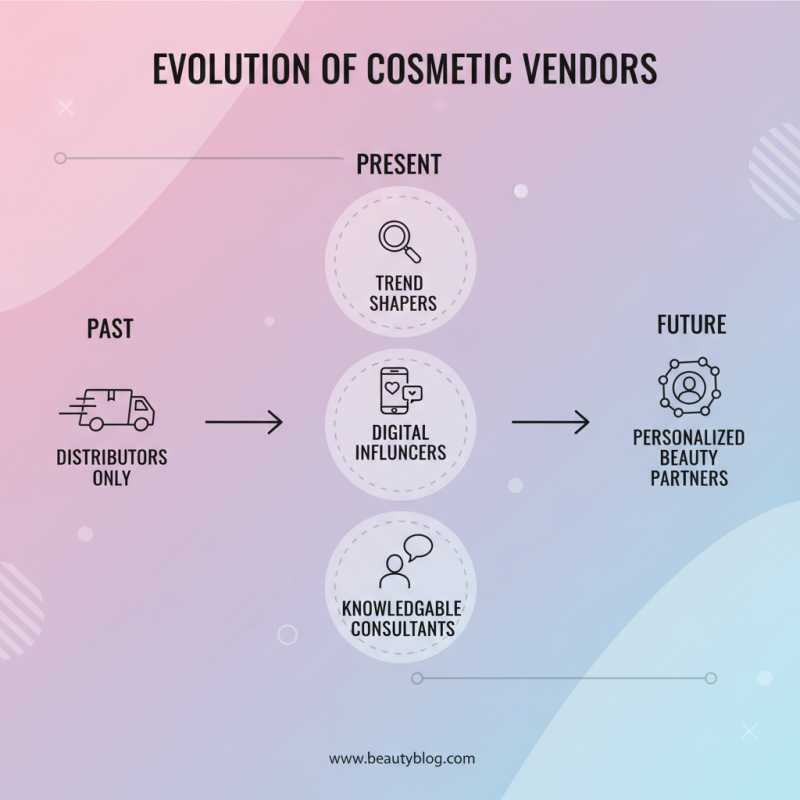
The beauty industry has witnessed a remarkable evolution in the role of cosmetic vendors over the years. Originally seen merely as distributors of beauty products, these vendors have transformed into essential partners in shaping trends and influencing consumer preferences. With the rise of digital platforms, vendors now harness the power of social media and online marketing to connect with consumers more directly, enabling them to curate personalized beauty experiences. They serve not just as sellers, but as knowledgeable consultants who provide insights into ingredient efficacy, application techniques, and emerging beauty innovations.
To navigate this evolving landscape effectively, vendors should focus on building strong relationships with both consumers and brands. One useful tip is to engage with customers through interactive platforms where they can ask questions and receive tailored advice. By fostering a community around beauty discussions, vendors can enhance customer loyalty and drive repeat business. Additionally, staying abreast of industry trends is crucial; subscribing to beauty journals and attending trade shows can empower vendors with the knowledge needed to advise customers effectively and curate relevant product offerings.
As cosmetic vendors continue to grow their roles within the beauty industry, emphasizing digital communication and community-building can set them apart in an increasingly competitive market. Offering personalized consultations and leveraging customer feedback will not only elevate the shopping experience but also ensure that vendors remain integral players in the beauty ecosystem.
Key Functions of Cosmetic Vendors Today
Cosmetic vendors play a pivotal role in the modern beauty industry, serving as the essential link between manufacturers and consumers. One key function of these vendors is to curate a diverse range of products that cater to varying customer needs and preferences. By understanding the latest trends and consumer behavior, they help ensure that the offerings in the market align with the desires of a contemporary audience. This includes providing innovative products that fit within the frameworks of sustainability and inclusivity, allowing consumers to make choices that resonate with their values.
Additionally, cosmetic vendors are critical in the realm of marketing and education. They not only promote products but also inform customers about their benefits and proper usage. This educational aspect empowers consumers to make informed decisions, which ultimately enhances customer satisfaction and loyalty. Furthermore, through strategic partnerships with influencers and beauty experts, vendors amplify their reach, ensuring that their narratives resonate widely and foster community engagement within the beauty space. By combining product curation with effective marketing strategies, cosmetic vendors are integral to the growth and evolution of the beauty industry today.
What is the Role of Cosmetic Vendors in the Beauty Industry Today - Key Functions of Cosmetic Vendors Today
| Function |
Description |
Importance |
| Product Sourcing |
Finding high-quality ingredients and products for inclusion in offerings. |
Critical for maintaining product quality and brand reputation. |
| Market Research |
Analyzing trends and consumer preferences to inform product development. |
Essential for staying competitive and aligned with consumer needs. |
| Brand Collaboration |
Partnering with brands to enhance visibility and market reach. |
Enhances credibility and creates more marketing opportunities. |
| Distribution Management |
Overseeing the logistics of getting products to retailers and consumers. |
Vital to ensure product availability and consumer satisfaction. |
| Regulatory Compliance |
Ensuring all products meet local and international regulations. |
Critical to avoid legal issues and establish brand trust. |
| Education and Training |
Providing knowledge and skills to staff and retailers about products. |
Enhances customer experience and effective product sales. |
Impact of E-commerce on Cosmetic Vendor Operations
The rise of e-commerce has significantly transformed the operations of cosmetic vendors in the beauty industry. Traditional brick-and-mortar stores have faced challenges as consumers increasingly turn to online platforms for their beauty needs. This shift has prompted cosmetic vendors to adapt their business strategies, emphasizing online presence and digital marketing to establish brand visibility and connect with consumers directly. By leveraging social media and influencer partnerships, vendors can create engaging content that resonates with their target audience, ultimately driving sales through e-commerce channels.
Furthermore, the e-commerce model allows cosmetic vendors to reach a broader demographic than ever before. With online stores, vendors can access global markets, providing a diverse range of products to consumers who may not have access to local beauty retailers. This accessibility also encourages vendors to invest in user-friendly websites and mobile applications to enhance customer experience. Efficient supply chain management becomes critical as vendors strive to meet the demands of online shoppers, including fast shipping and easy return policies, which enhance consumer confidence and promote repeat purchases. The impact of e-commerce on cosmetic vendor operations thus not only reshapes sales methods but also redefines the relationship between vendors and consumers in the beauty industry.
Collaboration Between Cosmetic Vendors and Beauty Brands
The collaboration between cosmetic vendors and beauty brands has become increasingly vital in shaping the modern beauty landscape. As consumers demand more specialized and innovative products, vendors are stepping in as essential partners, providing not just raw materials but also unique insights into market trends and consumer preferences. By working closely with beauty brands, these vendors help to create tailored formulations that meet the evolving needs of customers, ensuring that products are both effective and appealing.
One way for beauty brands to leverage these collaborations is by maintaining open lines of communication with their vendors. This helps in understanding what ingredients are trending and allows for quicker adaptation to consumer demands. Another tip is for brands to participate in joint marketing initiatives with vendors, showcasing the unique benefits of their combined offerings. This strategy not only boosts visibility but also builds trust with consumers who are increasingly interested in the sourcing and quality of their beauty products.
Furthermore, investing in educational partnerships can greatly enhance the collaboration. By hosting workshops or webinars together, cosmetic vendors and beauty brands can share knowledge about new technologies or sustainable practices, establishing themselves as thought leaders in the industry. This collaborative effort enhances both the brand’s credibility and the vendor’s reputation, ultimately leading to more innovative product launches that resonate with consumers.
The Future Challenges Faced by Cosmetic Vendors in a Competitive Market
In today’s fiercely competitive beauty industry, cosmetic vendors face an array of challenges that test their adaptability and innovation. One major challenge is the rapidly changing consumer preferences driven by social media and influencer culture. Customers increasingly demand products that align with their values, such as sustainability, cruelty-free practices, and inclusivity. Vendors must not only keep up with these trends but also communicate their commitments effectively to gain consumer trust and loyalty.
Additionally, the rise of e-commerce has transformed the marketplace, necessitating a strong online presence and marketing strategy. Cosmetic vendors must invest in digital transformation to compete with direct-to-consumer brands that leverage social media and online platforms adeptly. This transition requires not only a robust supply chain but also advanced data analytics to understand consumer behavior and optimize the shopping experience. As the market continues to evolve, those vendors who can embrace technology while staying true to their brand values will be better positioned to thrive in this dynamic environment.