How to Make Cosmetics at Home Using Natural Ingredients for Beginners
In recent years, the trend of making cosmetics at home using natural ingredients has gained significant popularity among consumers looking for safer and more environmentally friendly alternatives. According to a report by Grand View Research, the global organic personal care market is expected to reach USD 25.11 billion by 2025, driven by increasing awareness about the harmful effects of synthetic chemicals found in conventional cosmetics. In this burgeoning market, the desire to create personalized beauty products has led many enthusiasts to explore DIY cosmetic formulations.
Expert beauty chemist Dr. Ava Chen emphasizes the value of using natural ingredients for skincare, stating, "When you make cosmetics from simple, whole ingredients, you not only reduce exposure to harmful substances but also embrace the nourishing properties of nature." This insight highlights the shift towards self-sufficiency and artistry in the beauty industry. Making cosmetics at home not only empowers individuals to tailor products to their specific needs but also fosters a deeper connection to the ingredients used, thereby promoting a holistic approach to beauty.
This guide aims to equip beginners with the knowledge and techniques needed to confidently embark on their journey to make cosmetics at home. By utilizing accessible and natural ingredients, anyone can create effective beauty products while embracing sustainable practices.
Understanding Natural Ingredients for Homemade Cosmetics
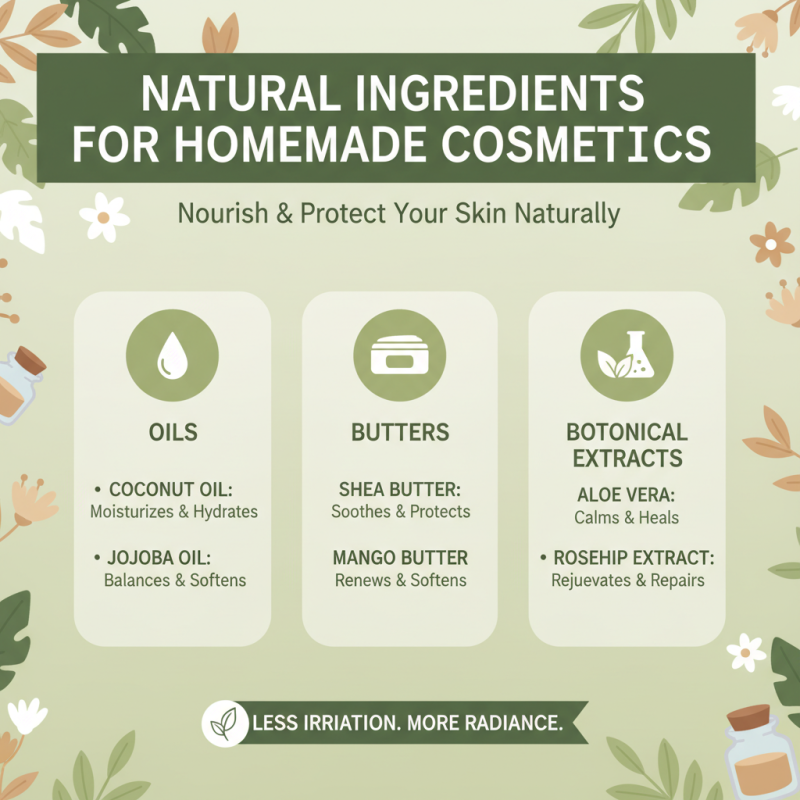
When creating cosmetics at home, understanding natural ingredients is crucial. Natural ingredients not only nourish the skin but also reduce the risk of irritation and allergic reactions often associated with synthetic chemicals. Common choices for homemade cosmetics include oils, butters, and botanical extracts. For instance, coconut oil serves as an excellent moisturizer due to its hydrating properties, while shea butter is favored for its ability to soothe and protect the skin. These nourishing agents not only provide essential hydration but also leave the skin soft and supple.
Additionally, incorporating natural essential oils can enhance both the aroma and benefits of your homemade cosmetics. Lavender and tea tree oil, for example, offer calming effects and possess antibacterial properties, making them suitable for skincare applications. Moreover, utilizing natural exfoliants like sugar or coffee grounds can help achieve a gentle scrub to remove dead skin cells. By selecting the right combination of these natural ingredients, beginners can effectively formulate skincare products tailored to their specific needs, ensuring a holistic and enjoyable approach to beauty.
Essential Tools and Equipment for DIY Cosmetic Making
When embarking on the journey of DIY cosmetics, having the right tools and equipment is essential for both safety and effectiveness. A basic toolkit for beginners should include mixing bowls, a set of measuring spoons, stirring sticks, and a digital scale for precise measurements. According to a report by the Cosmetics Ingredient Review, accurate measurements are crucial, as the efficacy and safety of cosmetic products heavily depend on the correct ratios of ingredients. Additionally, make sure to have a double boiler or microwave-safe containers for melting your ingredients, as proper heating is vital for emulsifying oils and waters.
It is also important to consider storage containers. Using glass or high-quality plastic bottles can significantly extend the shelf life of your homemade products. Research indicates that, without proper storage, many natural ingredients can deteriorate quickly, leading to reduced effectiveness or even spoilage. Invest in dark glass bottles for formulations containing light-sensitive components, as they provide protection from UV light.
**Tips:** Always keep your workspace clean and sanitized to prevent contamination. Using a pH test strip can help ensure your products are skin-friendly. Lastly, consider experimenting with small batches before scaling up to larger quantities, allowing you to perfect your formulations without wasting ingredients.
Step-by-Step Guide to Creating Basic Homemade Skincare Products
Creating your own skincare products at home can be a rewarding and enjoyable experience. To get started, you'll need a few basic natural ingredients that are often found in many households. Common items like olive oil, coconut oil, shea butter, and essential oils can serve as bases for a variety of products. Begin by selecting a recipe; for instance, a simple moisturizer can be made by combining equal parts of coconut oil and shea butter. Melt them together in a double boiler, then let the mixture cool before adding a few drops of your favorite essential oil for fragrance.
Once your moisturizer is ready, you might want to try your hand at making a homemade sugar scrub. Mix one cup of sugar with half a cup of coconut oil and a few drops of essential oil. This exfoliating scrub will help remove dead skin cells and leave your skin feeling smooth and refreshed. For a basic face mask, mashed ripe banana mixed with honey can provide hydration and nourishment. Apply it for about 15 minutes before rinsing off with warm water for glowing skin. Remember to always conduct a patch test before trying new ingredients to ensure they are suitable for your skin type.
Safety Precautions and Storage Tips for Natural Cosmetics
When making cosmetics at home using natural ingredients, safety precautions are paramount. It’s essential to remember that not all natural ingredients are automatically safe for everyone. According to a study published by the Journal of Cosmetic Science, approximately 30% of homemade cosmetic formulations can cause allergic reactions or skin irritations if not tested properly. Always conduct a patch test on a small area of skin before applying any new product broadly. This simple step can help you identify potential allergens.
Proper storage of your homemade cosmetics is just as vital as their formulation. Natural ingredients lack the preservatives found in commercial products, making them more susceptible to contamination and spoilage. The American Journal of Toxicology indicates that homemade cosmetics should be stored in a cool, dark place and used within three weeks to ensure safety and efficacy. Consider using amber or cobalt glass containers to protect your formulations from light exposure, and label your products with the date of creation.
Tips: Always use clean utensils and work in a sanitized environment to minimize the risk of contamination. Keep track of the shelf life of each ingredient, and when in doubt, discard any product that exhibits changes in texture, smell, or color. Regularly reassess your formulations for safety and efficacy, ensuring a pleasant and safe cosmetic experience.
Exploring Simple Recipes: Lip Balm, Face Masks, and Scrubs
Creating cosmetics at home using natural ingredients is a rewarding and sustainable practice, perfect for beginners. Simple recipes such as lip balms, face masks, and scrubs allow individuals to customize their skincare routines with ingredients they trust. According to recent industry reports, the global natural beauty market is projected to reach $54 billion by 2027, reflecting a growing consumer preference for organic and eco-friendly cosmetic options. This trend indicates that many are turning to DIY cosmetics as a way to control ingredient integrity while minimizing their environmental footprint.
For a nourishing lip balm, combining beeswax, coconut oil, and natural flavor oils can create a simple yet effective formulation. Research from the Skin Care Foundation suggests that natural oils are often rich in antioxidants and vitamins, providing protective qualities for the delicate skin on the lips. Additionally, incorporating a homemade face mask using ingredients like honey and oatmeal can offer soothing and hydrating benefits. Honey is known for its antibacterial properties and can aid in acne treatment, while oatmeal is recognized for its calming effects on irritated skin.
Scrubs, another essential in home cosmetic crafting, can be made from easily accessible items like sugar or coffee grounds mixed with natural oils. Studies indicate that exfoliating the skin can improve texture and promote circulation, making it a beneficial addition to any skincare regimen. By focusing on these fundamental recipes, beginners can confidently embark on their DIY cosmetic journey, harnessing the power of nature to enhance their beauty routines.