10 Essential Tips for Choosing Skincare Manufacturing Labs
Choosing the right skincare manufacturing labs is crucial for any brand. As Dr. Emily Carter, a leading expert in cosmetic formulation, states, "The quality of your products starts with the right partner." Selecting a lab can be overwhelming due to the many options available. Each lab has its unique strengths and weaknesses, and understanding them is vital for success.
Start by considering your specific needs. Some labs specialize in organic products, while others focus on high-tech formulations. You need a partner that aligns with your brand’s vision. Be wary of glossy marketing. It can be tempting, but sometimes the perfect lab is not the flashiest one. Ask yourself: do they have the right certifications?
Quality control is another factor to ponder. Many brands overlook this aspect. A lab may promise quick turnaround times, but what about the quality of their testing? Transparency in processes is essential. It’s okay to feel uncertain. Reflect on your choices, and don’t rush the decision. Your brand’s future depends on it.

Identifying Key Qualifications of Skincare Manufacturing Labs
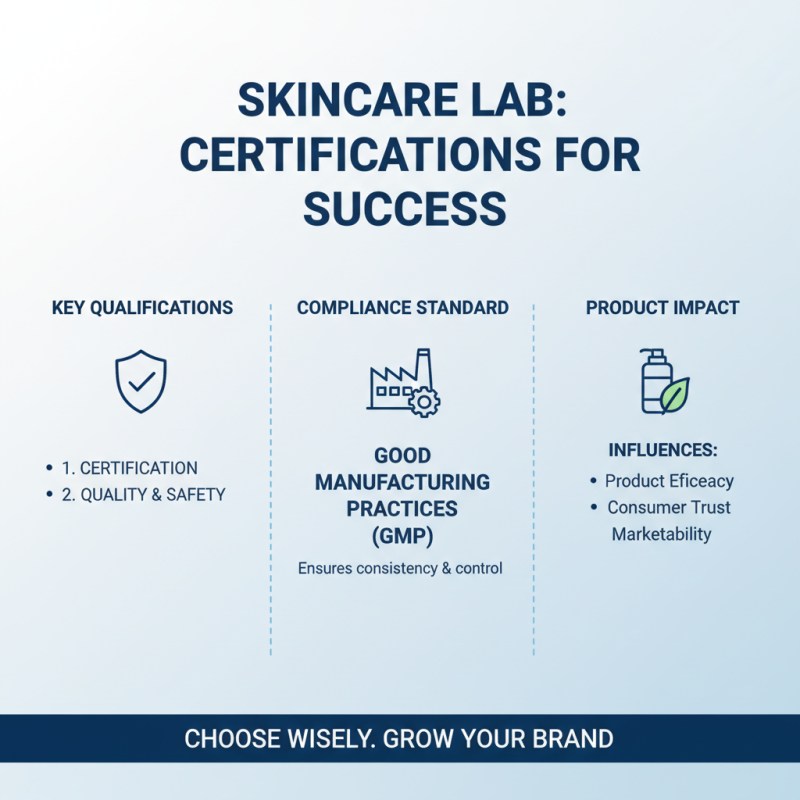
Choosing the right skincare manufacturing lab is crucial for success. One key qualification to look for is certification. Labs should have necessary certifications to ensure safety and quality. Check for compliance with Good Manufacturing Practices (GMP). This can influence the final product.
Another essential factor is experience. Labs with a strong track record can offer valuable insight. They often have well-established processes. However, newer labs might bring innovative techniques. It’s vital to weigh these aspects carefully. Communication plays a critical role too. A lab should be responsive and transparent.
Finally, consider their testing capabilities. Labs must conduct thorough testing on ingredients and products. This includes stability and efficacy tests. Look for labs that are willing to share results. Transparency fosters trust, but it can be challenging to find. Balancing quality and cost is another hurdle. It requires thoughtful evaluation and sometimes compromises.
Understanding Regulatory Compliance in Skincare Manufacturing
Understanding regulatory compliance in skincare manufacturing is crucial for businesses. Compliance ensures that products are safe and effective for consumers. According to a report by the FDA, more than 80% of recalled skincare products were linked to regulatory non-compliance. This highlights the importance of working with manufacturing labs that prioritize compliance with industry standards.
Tip 1: Always verify the lab's certifications. Check for Good Manufacturing Practices (GMP) certification. This indicates adherence to quality standards. Laboratories must also comply with local and international regulations. Each country may have different requirements. Understanding these can prevent costly mistakes.
Another key aspect is ingredient transparency. The market demands products with clear labeling. A 2023 report revealed that over 60% of consumers prefer brands that disclose ingredients. Look for labs that can provide full formulations and testing results. This helps ensure safety for end-users.
Tip 2: Evaluate the lab's track record. Look for case studies or testimonials. A lab with a strong history of compliance is more likely to meet your needs. However, some labs may lack experience with new regulations. This can lead to potential pitfalls down the line. Be cautious and do your due diligence before partnering.
Evaluating Laboratory Capabilities and Equipment Standards
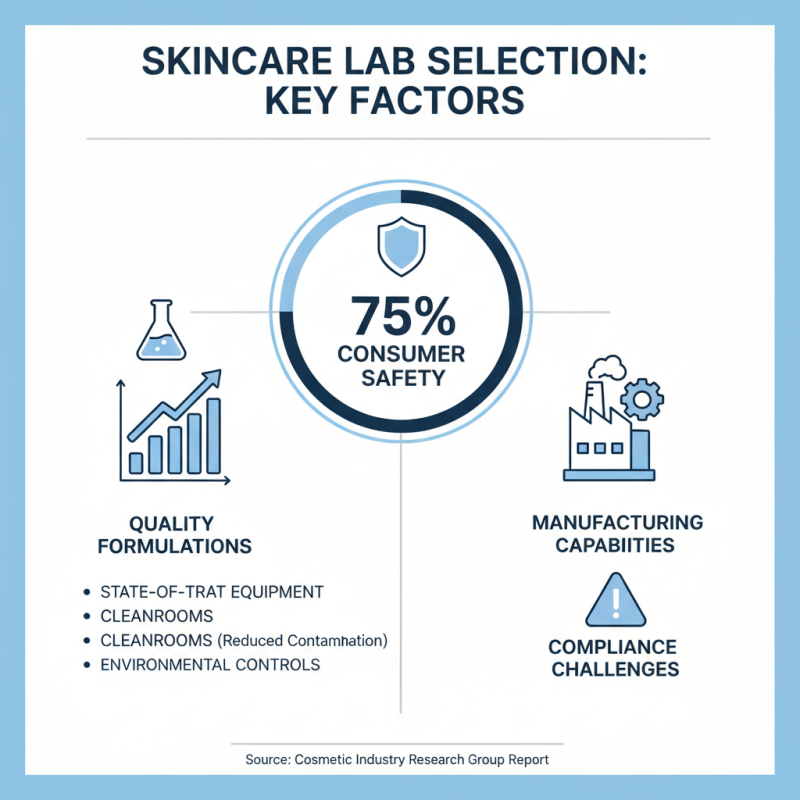
When choosing skincare manufacturing labs, evaluating their capabilities and equipment standards is crucial. A recent report from the Cosmetic Industry Research Group highlights that 75% of consumers prioritize product safety. Labs with state-of-the-art equipment are more likely to ensure high-quality formulations. Cleanrooms, for example, significantly reduce contamination risks. Commonly, laboratories must maintain specific environmental controls, yet many struggle to comply.
Additionally, not all labs hold certifications that guarantee their practices. According to industry standards, only about 30% of manufacturing facilities meet the ISO 22716 guidelines for good manufacturing practices. This leaves many brands compromised. A lab's technology can also impact results. Advanced testing methods, like stability tests, are vital in assessing how products perform over time. Surprisingly, many labs still rely on outdated methods.
Consider asking potential labs about their quality control processes. Active monitoring systems can reveal lapses in protocol. Reports suggest that nearly 40% of skincare products fail laboratory testing at some point. It’s essential to ensure labs take these aspects seriously. Reflect on how thorough your inquiries are. The lab selection process demands diligence to avoid pitfalls later in product development.
Assessing Quality Control Procedures and Testing Methods
When choosing a skincare manufacturing lab, quality control must be a top priority. A lab's quality control procedures should include regular audits and thorough testing. Ask about their certifications and standard operating procedures. A reliable lab should document every step. Data management and traceability are crucial. This ensures consistency in product quality.
Testing methods are just as important. Look for labs that use a variety of tests, from stability to microbial evaluations. These tests should reflect real-world conditions. Be wary of labs that rely solely on visual inspections. Transparency in testing processes is vital. Clear communication about test results builds trust.
Reflect on your priorities. Is price more important than quality? Sometimes, cutting corners may lead to issues later on. A low-cost lab may lack proper procedures. This could affect product safety and efficiency. It's essential to find a balance between cost and quality control. Prioritize labs that demonstrate rigorous testing processes.
10 Essential Tips for Choosing Skincare Manufacturing Labs - Assessing Quality Control Procedures and Testing Methods
| Tip No. |
Tip Title |
Description |
Importance |
| 1 |
Research Laboratory Credentials |
Verify certifications and compliance with industry standards. |
High |
| 2 |
Assess Quality Control Processes |
Examine the routines for batch testing and safety assessments. |
High |
| 3 |
Review Testing Methods |
Understand the scientific methods used for product testing. |
Medium |
| 4 |
Inspect Facilities for Cleanliness |
Ensure that the lab maintains high hygiene standards. |
High |
| 5 |
Evaluate Staff Expertise |
Check qualifications and experience of laboratory staff. |
High |
| 6 |
Check for Transparency |
Look for laboratories that share their processes openly. |
Medium |
| 7 |
Understand Ingredient Sourcing |
Ensure high-quality ingredients are used in formulations. |
High |
| 8 |
Evaluate Packaging Procedures |
Investigate how products are packaged and preserved. |
Medium |
| 9 |
Review Client Feedback |
Look for testimonials and case studies from previous clients. |
Medium |
| 10 |
Consider Location and Logistics |
Evaluate the geographical location for shipping and accessibility. |
Low |
Exploring Communication and Support from Manufacturing Partners
Choosing the right skincare manufacturing lab goes beyond just capabilities. Communication is crucial in this partnership. A responsive team enhances collaboration. Clear communication prevents misunderstandings that could derail product development. It's vital to find labs that encourage open dialogue. Ask about their process for feedback and problem-solving. A partnership thrives on clear communication.
Support is equally important. Look for labs that offer training and resources. They should assist you in understanding formulations and compliance. A supportive partner can ease the burden of navigating regulations. Regular updates on production progress are key. This transparency fosters trust.
Reflect on your needs. Are you getting timely responses? Is the lab proactive in addressing issues? Evaluate their support structure carefully. Sometimes it takes a bit of frustration to reveal a lab's true colors. Consider how willing they are to adapt to your requirements. The right fit can lead to a fruitful collaboration, while a mismatch may cause setbacks.
Top Factors to Consider When Choosing Skincare Manufacturing Labs