Essential Tips for Finding the Best Cosmetic Distributors?
In the evolving world of beauty and cosmetics, selecting the right cosmetic distributors is crucial. According to a report by Grand View Research, the global cosmetics market is expected to reach $863 billion by 2024. This growth presents opportunities and challenges for brands seeking reliable distributors.
Choosing the best cosmetic distributors requires a keen understanding of market dynamics. Many businesses overlook the importance of a distributor’s reputation and experience. It is essential to assess their performance and customer service. A strong partner can help navigate the complexities of this competitive industry.
However, not all distributors live up to expectations. Some may promise high sales volumes but fail to deliver results. Research reveals that nearly 30% of companies struggle with ineffective distributor partnerships. Brands should invest time in evaluating relationships and ensure alignment with their values. The right cosmetic distributors can significantly impact growth, profitability, and brand integrity.

Identifying Key Qualities of Top Cosmetic Distributors in 2023
When searching for cosmetic distributors, certain qualities stand out. A top distributor should possess a deep understanding of the industry. They must stay updated on trends and emerging brands. This knowledge helps them select products that resonate with customers.
One essential tip is to evaluate their network. A broad network means better access to unique products. Moreover, check their reputation. Reliable distributors keep their promises. They provide timely deliveries and high-quality products.
Transparency is another key quality. Distributors should openly share pricing and terms. If they hesitate, it may signal issues. Trust your instincts during discussions and negotiations. Look for those who respond to your concerns promptly.
Consider the support they offer. A good distributor provides marketing assistance. Some even help with product placement. These added services can boost your business presence. However, don’t overlook the need for clear communication. Misunderstandings can lead to significant setbacks. Always clarify expectations from the onset.
Understanding Market Trends in the Cosmetic Industry for Distributor Selection
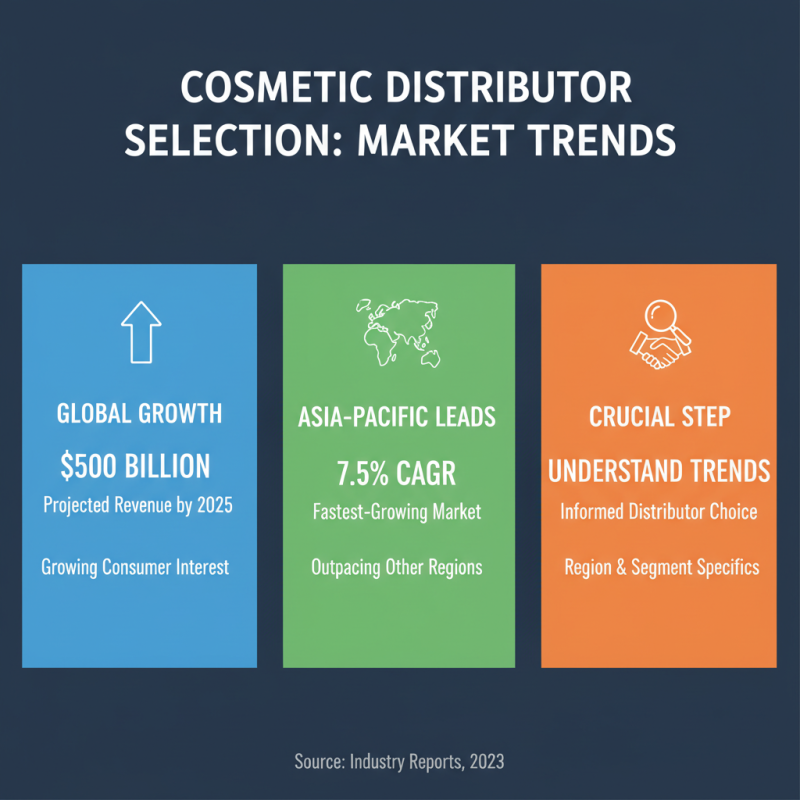
Understanding market trends is crucial when selecting cosmetic distributors. The cosmetic industry has seen significant growth, with projected revenues reaching $500 billion by 2025. This impressive figure reflects a growing consumer interest in beauty and personal care products. However, not all regions or segments are thriving equally. For instance, the Asia-Pacific market is expected to grow at a CAGR of 7.5%, outpacing other regions.
Choosing a distributor requires insight into current trends. Natural and organic cosmetics are gaining traction, with 60% of consumers preferring products with clean ingredients. Distributors focused on these areas may have a competitive edge. But a focus solely on trends might overlook stability. Some distributors may not adapt quickly to shifts in consumer preferences. This is a risk worth considering.
Additionally, understanding demographic shifts can influence distributor selection. Many millennials prefer brands that promote sustainability. Yet, some distributors may not prioritize eco-friendly practices, leading to brand misalignment. Ignoring such discrepancies could be detrimental. Make sure to assess not just product offerings but also the distributor's alignment with market values. Choose wisely; the wrong partner can stall growth in a fast-paced market.
Evaluating Distributor Reputation through Customer Feedback and Reviews
When searching for cosmetic distributors, understanding their reputation is crucial. Customer feedback serves as a valuable insight into their reliability. Look for reviews across various platforms. Positive comments often hint at consistent quality and good service. However, not every review tells the full story. Some feedback may seem overly optimistic or vague.
Take time to analyze negative reviews. Customers might mention shipment delays or poor communication. These issues are important to consider. They can impact your own business operations. Create a list of frequent complaints and see if they align with your priorities.
Engage with distributors directly. Ask for references or case studies. Genuine distributors will have testimonials ready to share. This personal touch can offer more clarity than online reviews alone. Remember, it’s not just about finding a distributor. It's about forming a partnership that supports your business goals.
Assessing Product Range and Quality when Choosing Distributors
When selecting cosmetic distributors, assessing their product range and quality is paramount. A diverse product range indicates that a distributor can cater to various market needs. Research shows that 75% of consumers favor brands with a broader range of options. This statistic reflects the growing demand for personalized beauty products. Understanding market trends is crucial; failing to do so can lead to missed opportunities.
Quality assurance is equally important. Data from industry reports suggests that nearly 80% of shoppers prioritize product quality over price. Distributors must provide quality assurance documentation. Third-party testing and certifications can bolster trust in the products sold. Many consumers are becoming more knowledgeable about ingredients. They seek transparency in sourcing and manufacturing practices. Distributors that fail to meet these expectations may struggle, as 62% of customers prefer brands that align with ethical practices.
Furthermore, not all distributors will have the same level of validated quality. Some may lack certifications or clear product histories. This inconsistency can lead to disappointing customer experiences. It's essential to evaluate potential partners thoroughly. Ignoring this step can result in significant setbacks for your business. Always prioritize quality and range when building your distributor network.
Analyzing Pricing Structures and Delivery Terms in the Cosmetics Sector
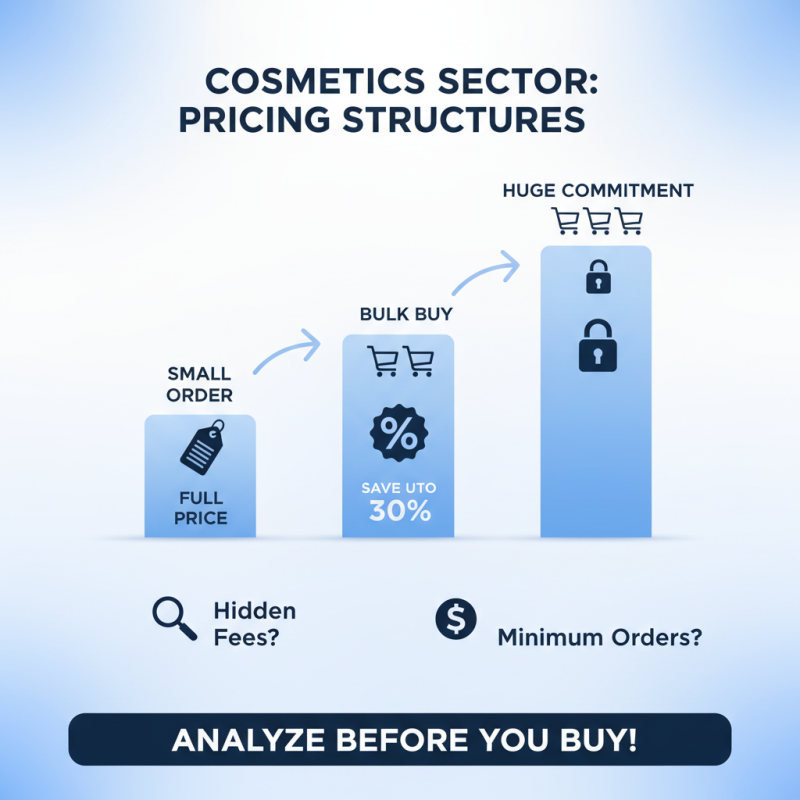
When exploring the cosmetics sector, analyzing pricing structures is crucial. Many distributors offer tiered pricing based on order volume. For instance, some reports indicate that bulk purchases can reduce costs by up to 30%. However, this can push you into a larger commitment than planned. A deeper look at these pricing models may reveal hidden fees or minimum orders that disrupt your budget.
Delivery terms also play a vital role in selecting a distributor. Reports show that 65% of retailers prioritize fast shipping options. Delays can impact customer satisfaction. Some distributors may promise quick turnaround times but fail to deliver consistently. Checking reviews or tracker systems can help gauge reliability.
Moreover, flexibility in terms is essential. Some distributors may have rigid policies, which could pose challenges during peak seasons or unexpected demand spikes. It’s beneficial to identify distributors that allow adjustments. This way, you can manage inventory without facing penalties. Balancing affordability with reliable delivery is not always easy, yet it is necessary for your business success.