Why Should You Create Your Own Makeup Line Today?
Creating your own makeup line is more relevant than ever. The beauty industry thrives on diversity and uniqueness. According to Laura Lee, a beauty entrepreneur and influencer, "Every person should have the chance to express their beauty." This statement highlights the essential need for personalized products.
As consumers turn to brands that resonate with their individual styles, the opportunity to create my own makeup line becomes compelling. Personal stories and experiences shape the cosmetics landscape. Many brands succeed because they reflect the founder's journey. This connection fosters trust and loyalty among consumers.
However, launching a makeup line is not without challenges. It's vital to navigate formulation, packaging, and marketing wisely. Entrepreneurs must constantly adapt to trends and industry shifts. Passion and a clear vision are crucial. Balancing creativity with business acumen is essential for success. The journey may not be perfect, but it is immensely rewarding for those willing to take the plunge.
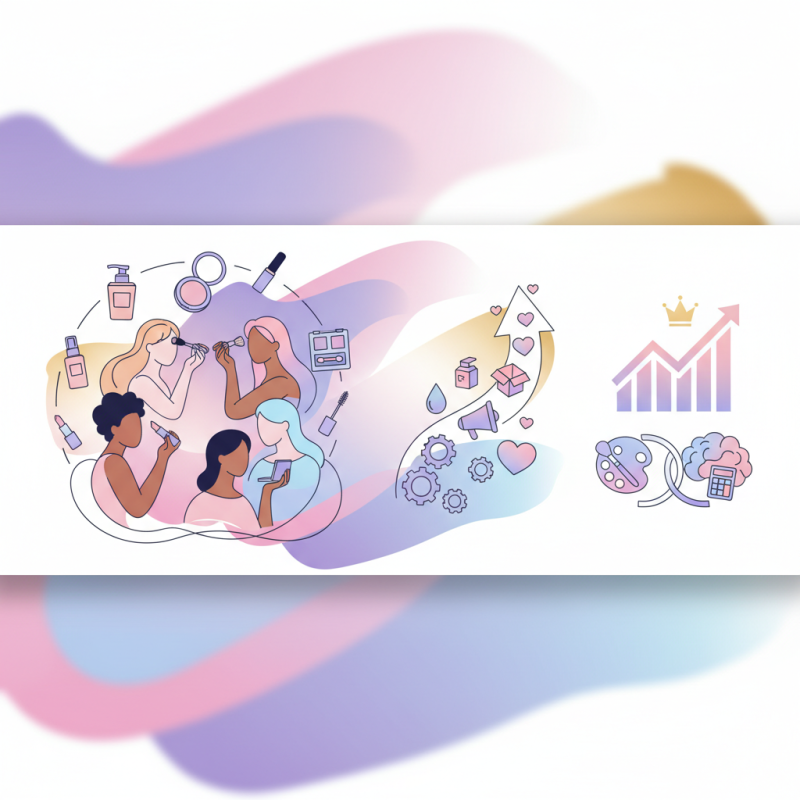
The Growing Market for Independent Makeup Brands: A Statistical Overview
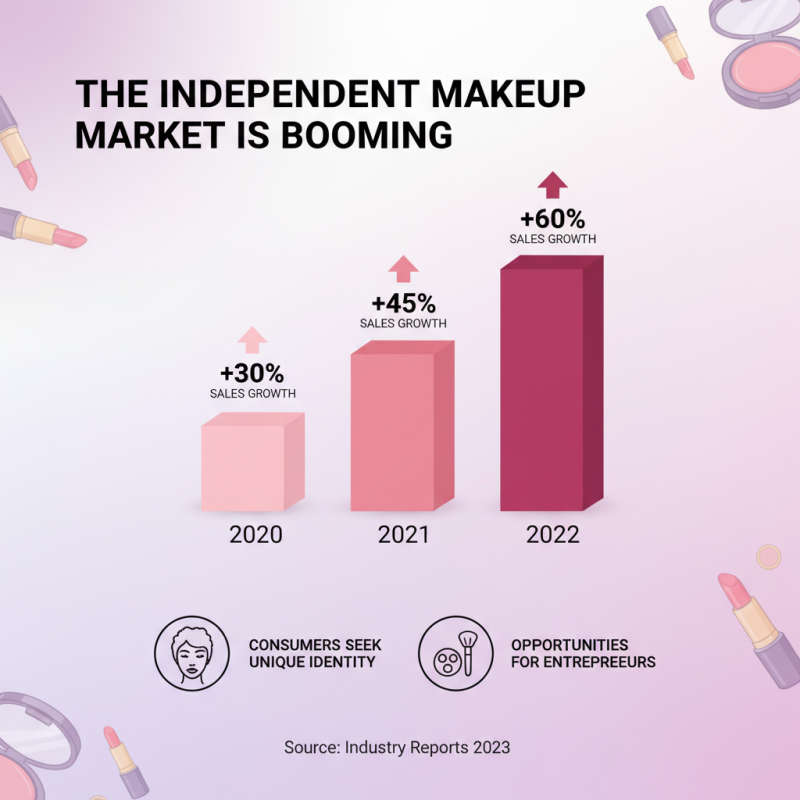
The independent makeup brand market is booming. Recent statistics reveal a rapid increase in sales over the past few years. Consumers are seeking unique products that reflect their individual identities. This trend opens doors for aspiring makeup entrepreneurs.
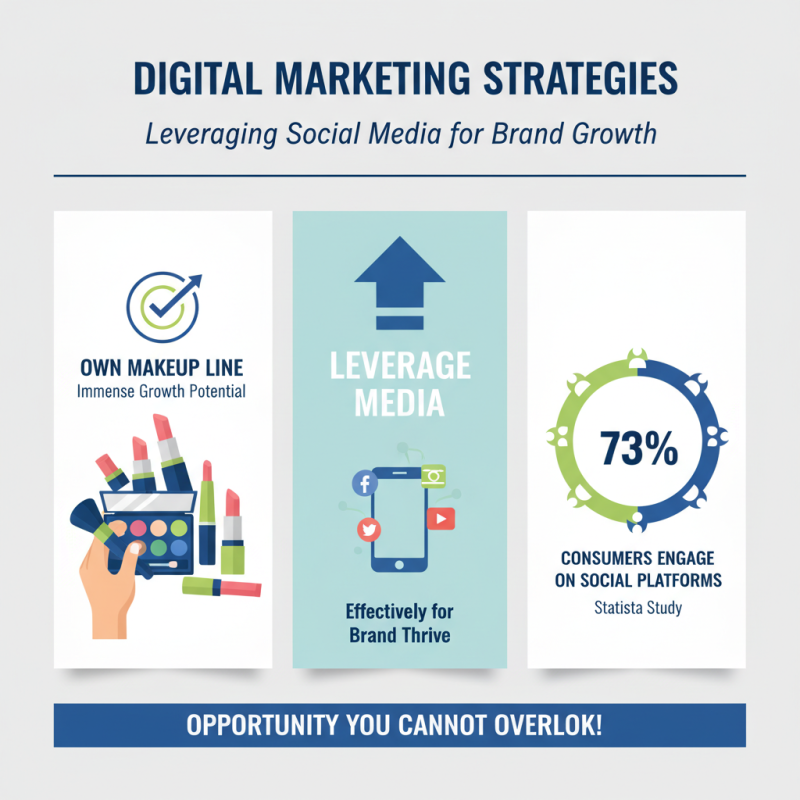
Market research indicates that over 30% of consumers prefer niche brands. These brands often emphasize quality and uniqueness over mass production. Many independent brands successfully connect with their audience through social media. Authenticity is key here. Consumers desire to support brands with relatable stories.
Despite the growth, challenges exist. Competition is fierce, and standing out requires creativity and real innovation. Launching a makeup line today involves understanding trends and consumer values. It’s crucial to keep refining your approach. Success will likely not come overnight. Patience and consistent effort are necessary.
Consumer Trends: The Shift Towards Personalization in Beauty Products
In recent years, consumer trends have shifted dramatically towards personalization in beauty products. Today’s customers seek unique formulations that reflect their individual needs and preferences. They want makeup that feels like it was made just for them. This desire fuels the growth of independent makeup lines.
Personalized beauty is not only a trend; it’s a demand. Consumers are increasingly aware of ingredients and their effects. They desire transparency and authenticity. Many people prefer products that contain natural elements rather than synthetic ones. A custom makeup line can cater to diverse skin tones and types, ensuring everyone feels valued.
However, creating a personalized line requires careful planning. It’s crucial to understand your audience and their specific needs. You must consider market trends, ingredient sourcing, and product efficacy. Finding the right balance can be challenging. Mistakes may happen along the way, but they offer invaluable lessons. Embracing imperfections can lead to growth and innovation, allowing your makeup line to stand out in a crowded market.
Why Should You Create Your Own Makeup Line Today?
Barriers to Entry: Understanding Funding and Resources for New Brands
Creating your own makeup line can be an exciting venture. However, many aspiring entrepreneurs face significant barriers to entry. Understanding these obstacles is crucial for success.
Funding is often a top concern. Most new brands underestimate initial costs. There are expenses like product development, packaging, and marketing.
Resources are equally important. Access to quality suppliers can set your line apart. Yet, navigating partnerships takes research. An inexperienced approach might lead to wasted time and funds.
Consider joining forums or seeking mentorship from industry veterans. This can help guide your decisions.
Reflecting on your vision is vital. What makes your line unique? Is it the ingredients, packaging, or brand story? A clear identity can attract investment and customers. This journey is filled with challenges, but with the right mindset, you can turn these barriers into stepping stones.
Sustainability in Beauty: Meeting the Demand for Eco-Friendly Products
The beauty industry is evolving. Consumers are increasingly seeking
eco-friendly products.
Research shows that 57% of consumers
are willing to change their purchasing habits to reduce environmental impact.
This growing trend highlights the importance of
sustainability in beauty.
Creating a makeup line today allows brands to tap into this demand.
Using natural ingredients can
attract a loyal customer base. For example, sourcing
sustainable materials can
enhance a brand's image. According to a report by Mintel,
46% of consumers
would pay more for sustainable beauty products. However,
formulating eco-friendly cosmetics
can be challenging.
Balance is key. Brands must
ensure that sustainable practices do not compromise product quality. Additionally,
transparency in sourcing and
manufacturing is crucial. Consumers today demand clarity on product origins.
This emphasis on authenticity
can make or break a new makeup line. Brands should continuously seek improvement
and adapt to feedback. Embracing sustainability is not just a trend; it is a
necessity in today’s market.