What is Cosmetic Makeup? Understanding Types, Techniques, and Uses
Cosmetic makeup is an integral part of the beauty industry, enabling individuals to express their creativity, enhance their features, and boost their confidence. According to a report by Statista, the global cosmetic makeup market was valued at approximately 505 billion USD in 2022 and is projected to reach around 784 billion USD by 2027, reflecting a compound annual growth rate (CAGR) of over 8%. This remarkable growth underscores the increasing demand for diverse makeup products and techniques, driven by social media influence, evolving beauty trends, and inclusivity.
Understanding cosmetic makeup is critical for both consumers and professionals alike, as it encompasses a wide range of products designed for different purposes, including foundation, concealer, eye makeup, and lip color. Furthermore, various application techniques can significantly enhance the effectiveness of these products, whether for everyday use or special occasions. A comprehensive understanding of cosmetic makeup not only elevates personal skills but also improves professional practices in the beauty industry, aligning with the rising demand for personalized services. As more individuals embrace makeup as an essential aspect of their daily routine and self-expression, the significance of mastering cosmetic makeup techniques will continue to grow.
What is Cosmetic Makeup? A Comprehensive Definition and Overview
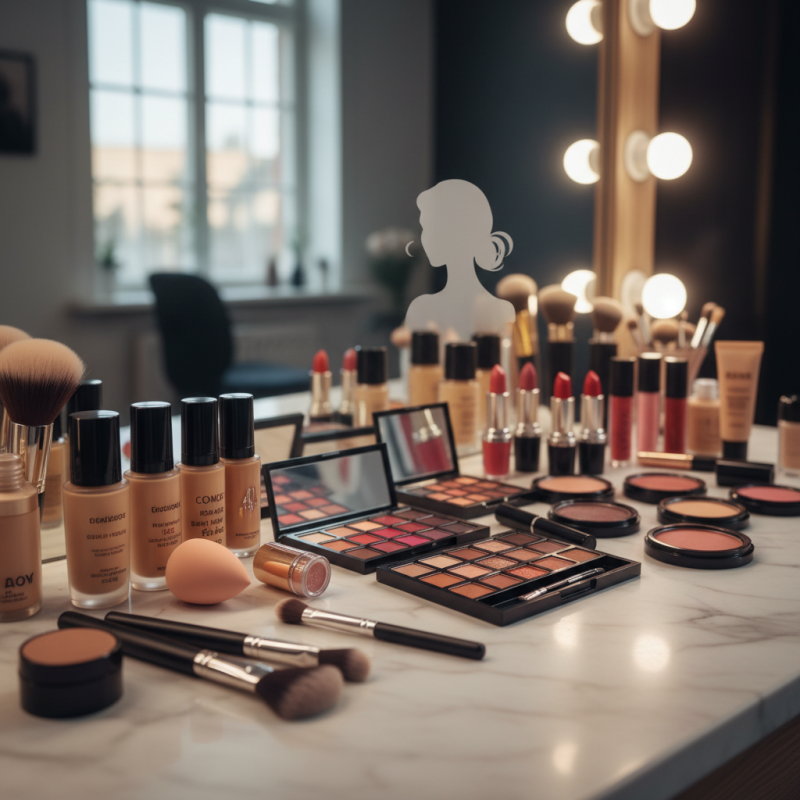
Cosmetic makeup refers to a wide range of products and techniques designed to enhance an individual's appearance. This encompasses various types of makeup, including foundation, concealer, eye shadows, eyeliners, lipsticks, and blushes. Each product serves a specific purpose, whether it’s to create an even skin tone, accentuate the eyes, or add color to the cheeks and lips. The application of these products can transform one’s look, allowing for creative expression or simply a polished appearance for everyday scenarios.
Understanding the techniques involved in cosmetic makeup is equally important. From the basics of applying foundation evenly to the intricacies of blending eye shadows and contouring the face, these methods are essential for achieving desired looks. Tools such as brushes, sponges, and applicators play a significant role in makeup application, contributing to the overall finish. Furthermore, each application technique can vary based on the occasion, from subtle makeup for a natural daytime look to more dramatic styles for evening events. This flexibility highlights the artistic nature of cosmetic makeup, allowing users to tailor their approach to reflect personal style and context.
Cosmetic Makeup Usage by Type
Types of Cosmetic Makeup: Face, Eyes, Lips, and More Explained
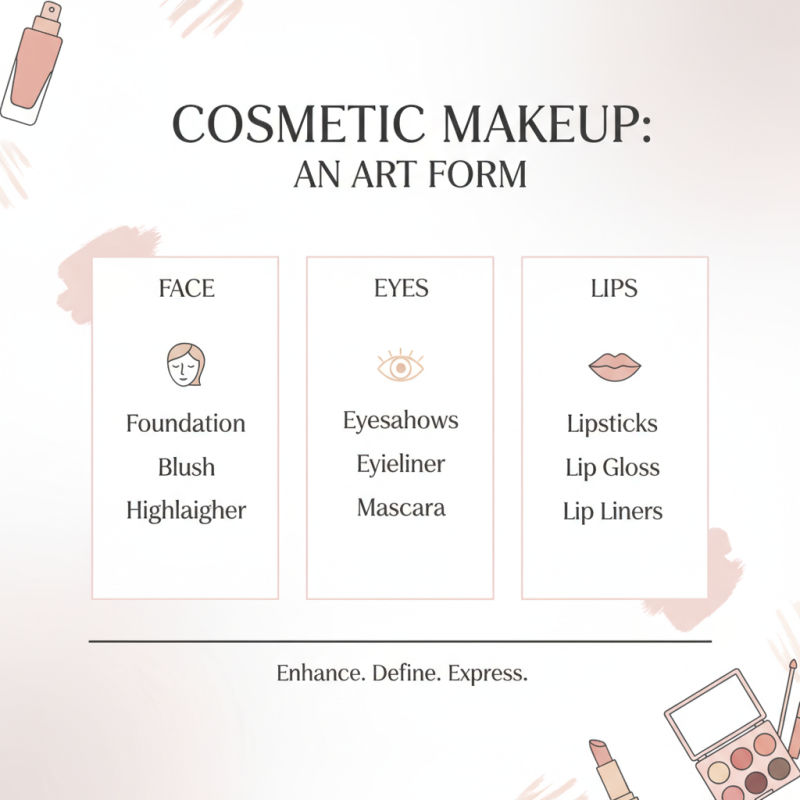
Cosmetic makeup is an art form that enhances one's natural beauty, and it can be categorized into several types focusing on different facial features. The primary categories include products for the face, eyes, and lips, each serving a unique purpose. For instance, face makeup typically involves foundation, concealer, blush, and highlighter, all designed to create an even skin tone and add dimension. Eye makeup includes eyeshadows, eyeliners, and mascaras, which can dramatically alter one’s look and emphasize the eyes’ shape and color. Lastly, lip products, from lipsticks to glosses, add color and texture, allowing for self-expression.
When applying cosmetic makeup, it's important to consider the techniques that complement your features. For the face, use a foundation that matches your skin tone perfectly and apply it using a makeup sponge for a seamless finish. For eye makeup, blending is key; invest time in blending eyeshadow to create depth and avoid harsh lines. Lips should be well-defined; outline with a lip liner before applying lipstick to prolong wear and prevent feathering.
Tips: Always prep your skin before applying makeup. A good moisturizer can ensure a smooth base, while a primer will help your makeup last longer. Additionally, don’t hesitate to experiment with colors and techniques; makeup is about creativity and personal style, so have fun while enhancing your beauty!
Common Techniques in Cosmetic Makeup Application: Tips and Best Practices
When it comes to cosmetic makeup application, mastering common techniques is essential for achieving a polished and professional look. Research indicates that approximately 80% of individuals utilize makeup techniques as part of their daily routine to enhance facial features and boost confidence. Among these, foundational techniques such as contouring, highlighting, and blending remain crucial. Contouring, for instance, involves using shades darker than the skin tone to create the illusion of depth and sculpt the face, while highlighters are applied to accentuate areas that naturally catch light, such as the cheekbones and brow bones.
Moreover, blending is key to a seamless makeup finish, allowing different products to work harmoniously together. According to industry reports, effective blending can significantly impact the overall appearance of makeup, reducing the visibility of lines and achieving a more natural look. To perfect these techniques, professionals recommend investing time in practicing with various tools, such as brushes, sponges, and fingers, as each offers unique advantages. Additionally, keeping skin well-prepped and moisturized is fundamental, as it provides a smooth canvas for makeup application, helping to enhance the longevity and effectiveness of cosmetic products. By understanding and implementing these techniques, individuals can elevate their makeup game, whether for everyday wear or special occasions.
What is Cosmetic Makeup? Understanding Types, Techniques, and Uses
| Makeup Type |
Common Techniques |
Best Practices |
Main Uses |
| Foundation |
Blend with a beauty sponge |
Choose the right shade |
Even skin tone |
| Concealer |
Dabbing method for blemishes |
Use a lighter shade |
Hide imperfections |
| Blush |
Circular motion application |
Blend well for a natural look |
Add a healthy glow |
| Eye Shadow |
Layering colors for depth |
Use primer for longevity |
Enhance eye features |
| Lipstick |
Use a lip liner for shape |
Choose moisture-rich formulas |
Define and color lips |
| Mascara |
Wiggle at the base of lashes |
Avoid clumping by wiping the wand |
Enhance lash volume and length |
The Role of Cosmetic Makeup in Enhancing Beauty and Self-Expression
Cosmetic makeup plays a significant role in enhancing beauty and serving as a medium for self-expression. It empowers individuals to amplify their features, highlighting their natural attributes while allowing for creativity and personal taste. Through the use of foundations, blushes, eyeshadows, and lip products, makeup can transform a person's appearance, giving them the confidence to embrace their identity or try on different personas. This versatility means that makeup is not solely about aesthetics; it is also a powerful tool for storytelling and communication.
Moreover, the act of applying makeup can be deeply therapeutic, providing a sense of control and empowerment in a world where external perceptions can often feel overwhelming. For many, makeup rituals become a form of self-care, promoting mindfulness and allowing individuals to express their moods and personalities. Whether it's a bold red lip to convey confidence or soft pastels for a more subdued look, each application tells a story about the individual wearing it. Ultimately, the intersection of cosmetic makeup and self-expression fosters a space where beauty can be personalized, celebrated, and used as a form of artistic expression.
Market Insights: The Global Cosmetic Makeup Industry Trends and Statistics
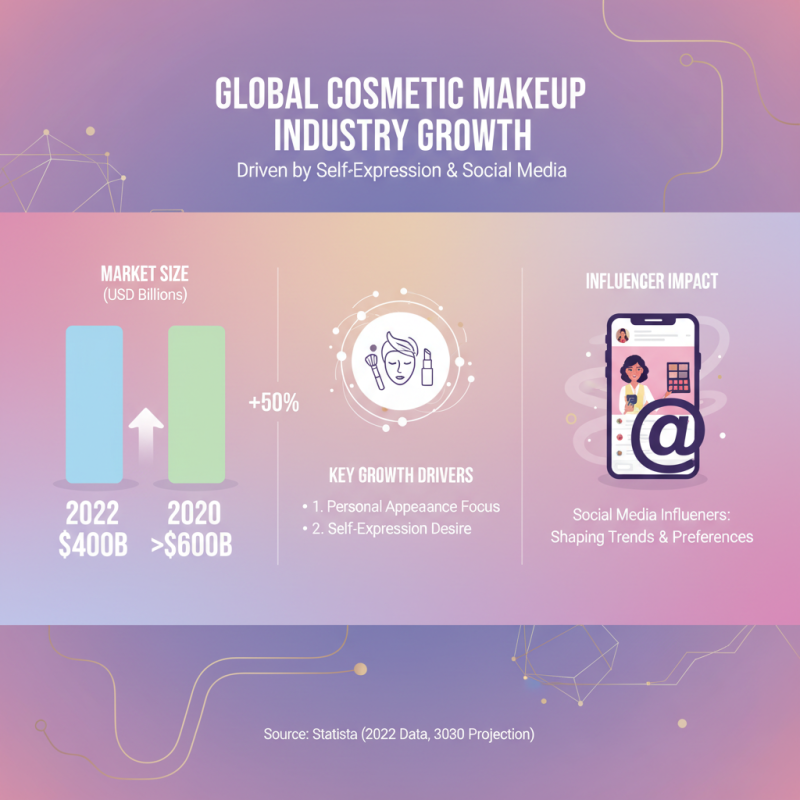
The global cosmetic makeup industry has witnessed significant growth in recent years, driven by an increasing consumer focus on personal appearance and the desire for self-expression. According to Statista, the global market size for cosmetic makeup was valued at approximately $400 billion in 2022 and is projected to reach over $600 billion by 2030. This growth can be attributed to various factors, including the rise of social media influencers, who have played a crucial role in shaping beauty trends and consumer preferences.
Key insights from market research show that the Asia-Pacific region is expected to dominate the cosmetic makeup market, contributing significantly to overall growth with a forecasted annual growth rate of 6.3% from 2023 to 2030. Additionally, the increasing incidence of online sales channels has transformed purchasing behaviors, enabling consumers to access a wider range of products and brands. Reports indicate that e-commerce currently accounts for approximately 30% of total cosmetic sales, showcasing a shift in shopping habits towards digital platforms. This growth underscores a broader trend of convenience and personalization in the beauty industry, catering to a diverse consumer base that seeks both quality and accessibility in their makeup choices.