Why Choose Private Label Skin Care for Your Brand Success?
In today's competitive market, establishing a unique brand identity is essential for success. Private label skin care offers an innovative solution. By creating products tailored to your brand’s vision, you can stand out. This approach allows for greater control over product quality and formulation.
Choosing private label skin care means investing in a reliable partnership with manufacturers. You benefit from their expertise while maintaining your brand's unique voice. This collaboration fosters trust and credibility with consumers. Additionally, you can respond quickly to market trends, meeting customer demands efficiently.
However, not all private label skin care options are equal. It’s important to choose a reputable supplier. Evaluate their standards and commitment to quality. Balancing innovation with quality assurance can be challenging. Reflecting on these elements will ultimately shape your brand's success in the skin care market.
Understanding Private Label Skin Care: Definition and Benefits
Private label skin care has gained traction in the beauty industry. This model allows brands to create customized products without extensive investment in formulation. It focuses on offering unique solutions curated for specific target markets. Companies enjoy the benefits of a ready-to-sell product while emphasizing their brand identity.
When considering private label skin care, think about your audience. What skin concerns do they have? A well-researched approach ensures that the products resonate. Collaborating with reliable manufacturers is crucial. Their expertise helps bring your vision to life effectively. Look for partners who prioritize quality and compliance with safety standards.
Building credibility is essential. Share transparent information about ingredients and sourcing. This can boost trust with your customers. Engaging in product testing can provide valuable feedback. It might reveal areas for improvement you hadn’t considered. Always be open to suggestions that can enhance your offerings. Strive for a balance between your brand's style and consumer needs.
Key Advantages of Choosing Private Label Skin Care for Brands
Private label skin care offers brands a unique way to stand out in a crowded market. This approach allows brands to customize their products, creating a unique identity. By selecting the right formulations, companies can cater to specific customer needs, enhancing their market position. High-quality ingredients can be sourced to reflect a brand's values and mission.
Moreover, private label products enable brands to maintain control over production timelines. This flexibility helps businesses respond quickly to market trends. However, developing these products requires careful planning and a commitment to quality. Brands must balance affordability with high standards. Mistakes in sourcing or formulation can damage a reputation built over years.
Building trust is crucial in skin care. Private label options can enhance this trust when products meet customer expectations. Clear labeling and transparency about ingredients are essential. Brands should also consider customer feedback for future improvements. Engaging the audience creates a loyal community. In this way, private label skin care can be a double-edged sword, offering potential but demanding diligence and authenticity.
How Private Label Skin Care Enhances Brand Identity and Customer Loyalty
Private label skin care can significantly enhance brand identity. By offering unique products, brands differentiate themselves in a crowded market. Custom formulations allow businesses to cater to specific customer needs. This personalization fosters a deeper connection with consumers. They feel that their preferences are acknowledged and valued.
Customer loyalty flourishes when brands provide quality and consistent products. Engaging packaging and thoughtful branding create a memorable experience. Customers often return for products that resonate with them. However, inconsistency in quality can lead to disappointment. Brands must prioritize maintaining high standards to keep loyalty intact.
Effectively communicating brand values is crucial. Transparency about ingredients and sourcing builds trust. Customers appreciate brands that share their philosophy. Yet, some brands struggle to convey these messages. Focusing on storytelling can bridge this gap, enhancing emotional connections. Private label skin care not only establishes a brand but helps cultivate loyal relationships.
Navigating the Process: Steps to Launch a Private Label Skin Care Line
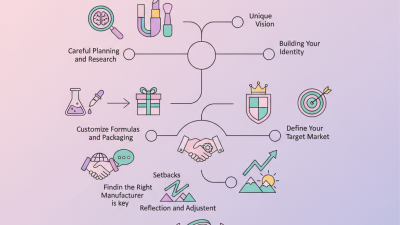
Launching a private label skin care line can be highly rewarding. In 2021, the global skin care market was valued at approximately $148 billion, with private label brands making significant gains. Many consumers look for uniqueness and value, making this an ideal opportunity for emerging brands. To navigate the process, start by conducting thorough market research. Understand what consumers desire and identify gaps in the market.
Creating a product line isn't just about aesthetics. Focus on ingredients, formulation, and packaging – all contribute to your brand's perception. Studies show that 80% of consumers prefer eco-friendly products. Therefore, consider sustainable options in your formulations. Collaborate with reputable manufacturers who can provide high-quality formulations that resonate with your target audience.
Tips: Start small and refine your product offerings. Testing the waters allows you to iterate based on customer feedback. Don’t rush the branding process; it’s essential to align with your market’s expectations. Remember, every mistake is a learning opportunity. Embrace consumer feedback to enhance your product line continuously. Consistent engagement can foster a loyal community around your brand.
Cost-Effectiveness and Market Trends in Private Label Skin Care Products
Private label skin care products present a unique opportunity for brands looking to stand out in a competitive market. According to industry reports, the global private label skin care market is projected to grow at a CAGR of 4.7% from 2021 to 2028. Cost-effectiveness remains a key factor driving this trend. Brands can save up to 30-50% compared to developing products from scratch.
Focusing on market trends reveals a surge in consumer demand for tailored and sustainable products. Customers increasingly prefer brands that offer specialized solutions, such as vegan or cruelty-free options. In fact, a recent survey showed that 70% of consumers are willing to pay more for sustainable products. Brands, therefore, can leverage this shift by incorporating eco-friendly materials and practices in their private label offerings.
**Tip:** Start small by testing your private label line with a handful of products. This minimizes risk while gauging consumer interest. Pay attention to the feedback and adapt accordingly.
Brands should also consider the packaging's impact on consumer perception. Attractive, innovative designs can significantly enhance product appeal. A report indicated that 65% of purchases are influenced by packaging. While costs may rise, investing in quality aesthetics can lead to higher sales.
**Tip:** Use focus groups to identify consumer preferences in packaging. Small changes can lead to better market reception and sales boosts. Research and adapt to evolving trends continuously.
Why Choose Private Label Skin Care for Your Brand Success?
| Dimension |
Description |
Value |
| Cost-Effectiveness |
Average production cost compared to branded products |
30% lower |
| Market Growth Rate |
Annual growth rate in private label skin care |
8% CAGR |
| Consumer Preference |
Percentage of consumers choosing private label brands |
58% prefer private label |
| Product Range |
Number of categories in private label skin care |
12 categories |
| Retail Markup |
Average markup on private label products |
50% markup |
| Brand Loyalty |
Percentage of repeat customers for private label |
65% repeat customers |