10 Best Tips to Start Your Own Makeup Line Successfully?

Starting your own makeup line can be a thrilling yet daunting journey. Renowned beauty entrepreneur Lisa Potter-Dixon once said, “The beauty industry is not just about products; it's about storytelling.” This insight highlights the importance of authenticity and connection in the makeup business.

When you decide to start your own makeup line, research is key. Understand your target market and identify gaps in the industry. Focus on what makes your products unique. Even the best ideas encounter challenges. Ensure you are prepared to adapt and learn from mistakes.

Creating a brand requires more than just great products. It involves building a community and engaging with your audience. You may face setbacks along the way, but resilience is vital. Remember, the road to success is rarely straightforward. Prepare for ups and downs, and lean into your passion for beauty. This journey can lead to transforming your dreams into reality.
10 Best Tips to Start Your Own Makeup Line Successfully?

Identifying Your Target Market for a Successful Makeup Line

Identifying your target market is crucial for launching a successful makeup line. Knowing who your customers are will guide your product development and marketing strategies. Start by conducting surveys. Ask potential customers about their beauty preferences. Find out what products they currently use and why. This information can guide your choices.

Consider demographics such as age, gender, and location. Younger consumers might favor bold colors and trendy formulations. Meanwhile, an older audience may prioritize skincare benefits. Don't forget to analyze online behavior too. Pay attention to social media discussions. Look for trends and popular ingredients.

Sometimes, you may feel uncertain about your findings. It’s natural to question if you're targeting the right group. Reflecting on customer feedback is essential. Adapt your approach based on what you learn. Trial and error can lead to revelations. Identifying your market isn't a one-time task. It's a constant journey of learning and adjustment.
Conducting Comprehensive Market Research in the Beauty Industry

Conducting comprehensive market research is crucial when starting your own makeup line. The beauty industry is projected to reach over $800 billion by 2025, according to recent reports. Understanding consumer preferences, trends, and demographics can help you carve a niche in this competitive market.

Identify your target audience. Are they millennials seeking eco-friendly products? Or perhaps older consumers looking for anti-aging solutions? Segmenting your audience allows for tailored marketing strategies. Engage with potential customers through surveys or social media polls. This direct feedback can reveal insights not captured in broader industry reports.

Keep an eye on trends. The rise of clean beauty and sustainable packaging is reshaping consumer expectations. A survey found that over 50% of consumers are willing to pay more for eco-friendly products. Your research should include competitors as well. Analyze their strengths and weaknesses. What gaps can you fill? Understanding these elements can direct product development and marketing strategies.

Stay adaptable. The beauty landscape changes rapidly. Regularly revisit your research to stay updated on emerging trends. This ongoing process will help you refine your offerings and maintain relevance in the market.

Market Research Insights for Starting Your Own Makeup Line

Developing Unique and Innovative Product Offerings

Creating a unique makeup line means focusing on innovative product offerings. Start by identifying gaps in the market. What do customers want but can’t find? Research trends and consumer preferences thoroughly. Conduct surveys or engage in social media polls. Desired products often emerge from genuine consumer needs.

Focus on high-quality ingredients. Use natural and sustainable materials. Many consumers are becoming more mindful of what they apply to their skin. Experiment with textures and formulations. Don't be afraid to take risks, but also be ready to review your choices. Sometimes, a bold idea might flop once it hits the market.

Collaborate with influencers or artists to spark creativity. Their unique perspectives can add value. They may suggest new color palettes or innovative packaging ideas. Stay open to feedback, even if it’s hard to hear. This will help refine your products and cultivate a loyal customer base. Listen, learn, and adapt; these are key to successful offerings.

10 Best Tips to Start Your Own Makeup Line Successfully

Tip Number Tip Description Example Action
1 Market Research Analyze your target audience and their preferences. Conduct surveys and focus groups.
2 Unique Selling Proposition Identify what makes your products stand out. Develop a strong brand story.
3 Quality Ingredients Use high-quality and safe ingredients in your products. Source from reputable suppliers.
4 Innovative Formulations Develop unique product formulas that address specific needs. Create products that offer multi-functional benefits.
5 Brand Identity Establish a strong brand identity with visuals and messaging. Design a memorable logo and packaging.
6 Regulatory Compliance Ensure your products meet industry regulations and standards. Consult with legal experts on labeling requirements.
7 Effective Marketing Strategies Utilize social media and influencer partnerships to promote your brand. Create engaging content and run targeted ads.
8 Customer Feedback Gather feedback to improve products and customer experience. Implement feedback surveys post-purchase.
9 Sustainable Practices Incorporate sustainability into your brand ethos. Use recyclable packaging and eco-friendly ingredients.
10 Continuous Learning Stay updated on market trends and consumer preferences. Attend industry events and workshops regularly.

Creating a Compelling Brand Identity and Story

10 Best Tips to Start Your Own Makeup Line Successfully?

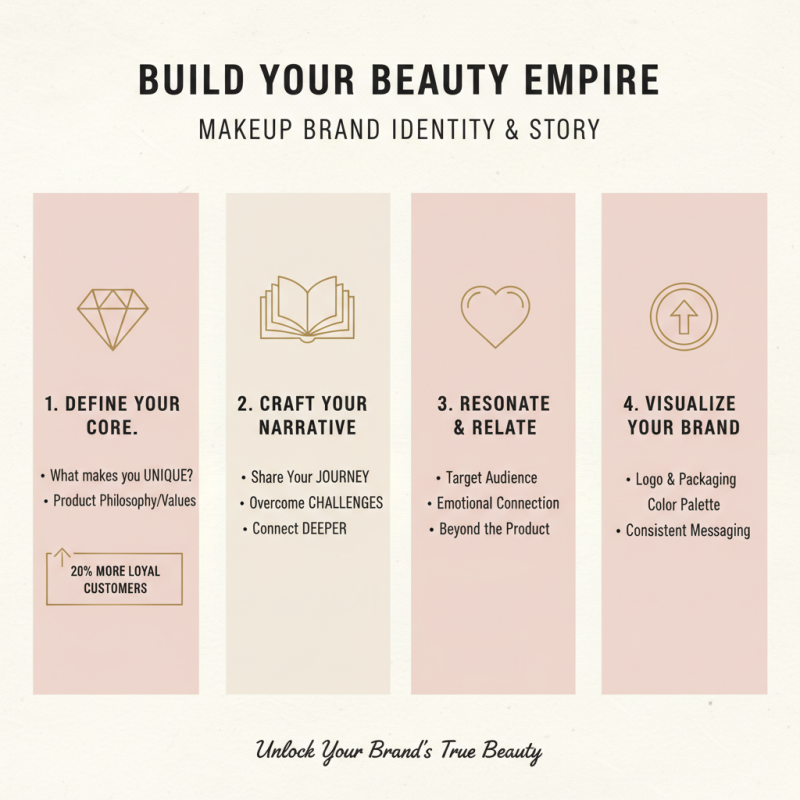
Creating a compelling brand identity and story is crucial when starting your makeup line. Brands with a clear identity can see a 20% increase in loyal customers. Think about what makes your products unique. Your story should resonate with your target audience. It shouldn’t just be about the products but also the values behind them. Use your personal journey or the challenges you faced to connect on a deeper level.

Consider the visual elements of your brand. Colors, fonts, and packaging must all reflect your identity. A study revealed that brands consistently using visual elements can increase brand recall by 80%. However, some small brands overlook how these elements tell their story. They may rush this process, leading to a disjointed image. Pay attention to these details. Think about the emotions you want your audience to feel. A strong narrative combined with thoughtful design can set your brand apart in a crowded market.

Understand that failure may come along the way. Not every campaign will resonate. Some products may not sell as expected. Reflecting on what did or didn’t work is essential. Adjusting your brand narrative can help you align better with consumer expectations. The road can be challenging, but it’s the lessons learned that lead to growth and success in the beauty industry.

Establishing Effective Distribution and Marketing Strategies

10 Best Tips to Start Your Own Makeup Line Successfully?

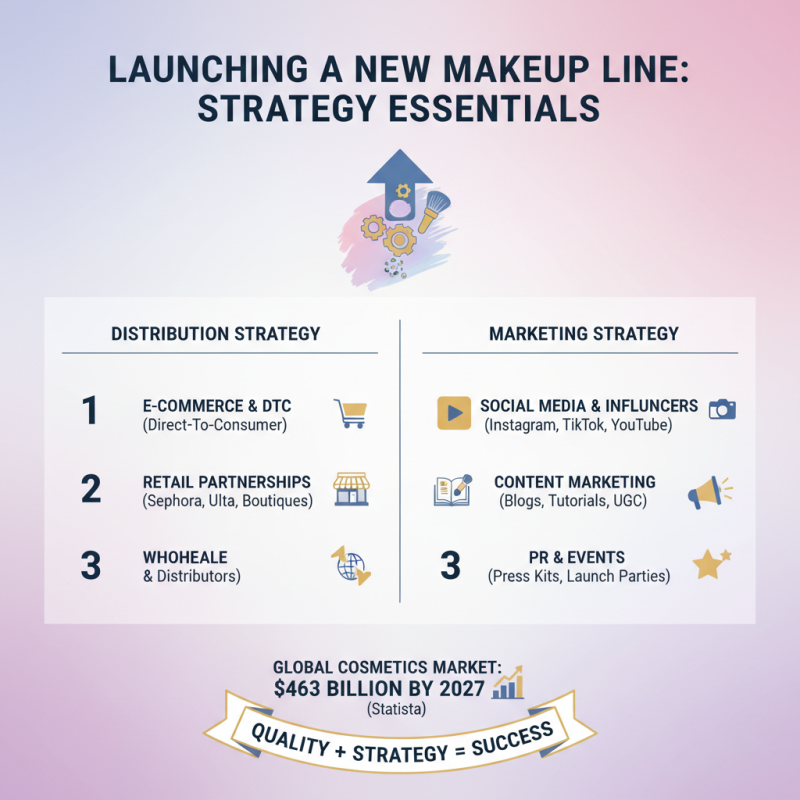
Establishing effective distribution and marketing strategies is crucial for any new makeup line. Many entrepreneurs overlook this step, thinking product quality alone will ensure success. According to a report by Statista, the global cosmetics market is projected to reach $463 billion by 2027. This signals fierce competition and the need for solid strategies.

Digital platforms offer immense potential for reaching audiences. Social media, particularly Instagram and TikTok, is where beauty trends thrive. Insights from Hootsuite show that 54% of social media users browse these platforms to discover new products. However, simply posting isn't enough. Many brands lack engagement tactics, leading to missed opportunities. A weak online presence can result in low visibility.

Consider working with influencers and micro-influencers. These collaborations can amplify reach. However, not all partnerships yield positive results. It's important to research and choose influencers who align with your brand values. Additionally, tracking customer feedback is vital. A survey from McKinsey indicates 70% of buying experiences are based on how customers feel they are treated. Ignoring this can lead to lost loyalty.

Social media & sharing icons powered by UltimatelySocial
Facebook
LinkedIn
Instagram
Tiktok