Best Skincare Private Label USA Options for Your Business?
The skincare industry in the United States is booming. According to the latest market report by Grand View Research, the U.S. skincare market is projected to reach $62 billion by 2025. The demand for personalized products is on the rise. As a result, the concept of skincare private label USA has gained traction among new entrepreneurs and established brands alike. This trend offers an attractive opportunity to create distinctive products without the complexities of manufacturing.
Skincare private label USA allows businesses to collaborate with experienced manufacturers. This partnership provides a cost-effective approach to entering the competitive skincare landscape. However, the process can seem daunting. Brands must navigate regulations and quality standards. According to Statista, about 37% of consumers show preference for products from well-known brands, highlighting the need for trustworthiness in private label offerings. Taking the time to assess potential partners is crucial, as a poor choice can lead to reputational damage.
In a market saturated with options, it’s vital for brands to stand out. Selecting the right ingredients and packaging is essential for success. There are many aspects to consider. Reflecting on the unique value proposition can lead to better decisions. Entering the skincare private label USA market presents challenges but also significant rewards for informed businesses.
Understanding Private Label Skincare: Definition and Benefits
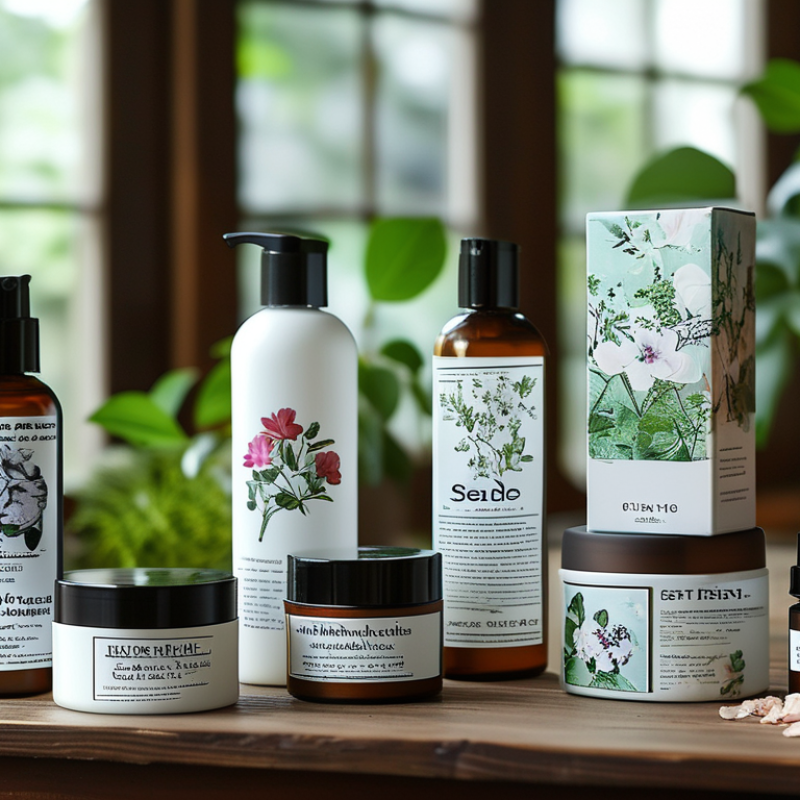
Private label skincare offers a unique opportunity for businesses. It allows brands to sell products manufactured by a third party under their name. This model promotes brand identity while minimizing investment costs. But what are the real benefits?
Understanding private label skincare starts with flexibility. Businesses can customize formulations to suit their target audience. They can choose ingredients, packaging, and branding. This control can lead to better market positioning. However, choosing the right manufacturer is crucial. Not all manufacturers guarantee quality. Brands must conduct thorough research to ensure they partner with reliable suppliers.
Another significant advantage is the profit margin. Private label products typically have a lower production cost. This means businesses can sell at competitive prices and retain a higher profit margin. Yet, there are challenges. Effective marketing is essential for brand visibility. New brands can struggle to get noticed in a saturated market. It's vital to create a strong brand narrative. Engaging storytelling can captivate consumers, but it requires creativity and insight into the market.
Key Factors to Consider When Selecting a Private Label Manufacturer
Choosing the right private label manufacturer for skincare can define your brand’s success. Industry reports indicate that the private label cosmetics market is projected to grow by over 10% annually. This highlights the increasing demand for unique skincare products. Yet, not every manufacturer meets the same standards.
When selecting a private label manufacturer, prioritize quality and reliability. Look for companies that provide transparency in sourcing ingredients. A significant number of consumers, about 70%, prefer products with eco-friendly components. This trend emphasizes the need for manufacturers committed to sustainable practices. Certifications like GMP (Good Manufacturing Practices) can also boost credibility.
Another essential factor is the manufacturer’s ability to innovate. The skincare industry thrives on trends, from natural ingredients to high-tech formulations. A manufacturer must demonstrate a track record of adapting to market changes. Their portfolio should reflect diverse product offerings. Nonetheless, it’s crucial to review client testimonials critically. Some manufacturers may overstate their capabilities, leading to unmet expectations. Careful due diligence can save brands from potential setbacks.
Top Private Label Skincare Companies in the USA: An Overview
The private label skincare industry in the USA has seen tremendous growth, valued at over $13 billion in 2022. This upward trend is driven by the rising consumer demand for personalized and natural skincare products. The market is projected to grow by 7.8% through 2028, reflecting a robust interest in customized skincare solutions. The ability to offer unique formulations can set businesses apart.
When considering private label companies, factors like product quality and compliance standards matter. Many manufacturers focus on sustainability and clean ingredients, appealing to eco-conscious consumers. According to a recent report, 77% of consumers prefer brands with a commitment to environmentally friendly practices. However, sourcing high-quality ingredients can pose challenges. Not all suppliers adhere to the same rigorous standards, making due diligence essential.
Additionally, transparency in pricing and ingredient sourcing remains a concern. Not every supplier provides clear information about their supply chain. Buyers must research thoroughly to ensure reliability. A lack of transparency can lead to reputational risks. Brands should aim for partnerships with trustworthy manufacturers to maintain quality and customer trust. This proactive approach can foster long-term success in the competitive skincare landscape.
Navigating Product Formulation and Customization Options
When considering skincare private label options in the USA, customization is key. The market has seen significant growth, with the global skincare industry projected to reach $189.3 billion by 2025. Brands that offer tailored products often stand out in a crowded marketplace. A report from Statista indicates that 52% of consumers prefer personalized skincare solutions. This demand creates a lucrative opportunity for businesses willing to invest in R&D.
Product formulation is where the magic happens. Brands must explore different ingredients and formulations to meet evolving consumer preferences. For instance, natural and organic ingredients have gained immense popularity. A recent survey found that 65% of customers prioritize these types of formulations. Understanding the intricacies of a safe and effective formula can be daunting. Brands may need to partner with formulators who are knowledgeable about ingredient synergies and stability testing.
Customization also extends to packaging and branding. The visual aspect can significantly affect consumer choices. A well-designed package not only attracts attention but also reflects the brand's identity. While many private label companies offer customization options, finding the right fit can be challenging. Researching potential partners and leveraging industry insights is essential for informed decisions. Ultimately, investing time and resources in customization can lead to a stronger connection with consumers and enhance brand loyalty.
Marketing Strategies for Private Label Skincare Success in the USA
When venturing into the private label skincare market, effective marketing strategies are crucial.
Focusing on high-quality ingredients can attract discerning customers.
Offer clear information about product benefits. This builds trust and demonstrates expertise. So, educate your audience about what makes your line unique.
Use platforms like social media for engaging content. Regularly post skincare tips and routines to establish your brand as a reliable source.
Customer engagement is vital. Consider using surveys to gather feedback. This not only shows you value customer opinions but helps improve your products.
Collaborate with skincare influencers who align with your brand values. They can showcase your products authentically. Remember, an influencer's audience trusts their opinion.
Ensure your messaging aligns with your branding. It should reflect your company's values and mission.
Keep analyzing market trends. This enables you to pivot your strategies effectively.
Understand customer demand and adjust your offerings. Track competitors to identify gaps you can fill.
Regular reassessment of your marketing approach is essential. While planning is critical, the market is fluid. Strive for continuous improvement and adaptability.