Top 10 Best-Selling Cosmetics in the USA: Trends and Reviews
In recent years, the cosmetics industry in the USA has witnessed a dynamic evolution, driven by innovative products and shifting consumer preferences. As beauty standards continue to change, the demand for high-quality cosmetics that meet diverse needs is greater than ever. From skincare essentials to vibrant makeup collections, the landscape of cosmetics in the USA is both vast and vibrant, capturing the attention of beauty enthusiasts and industry professionals alike.
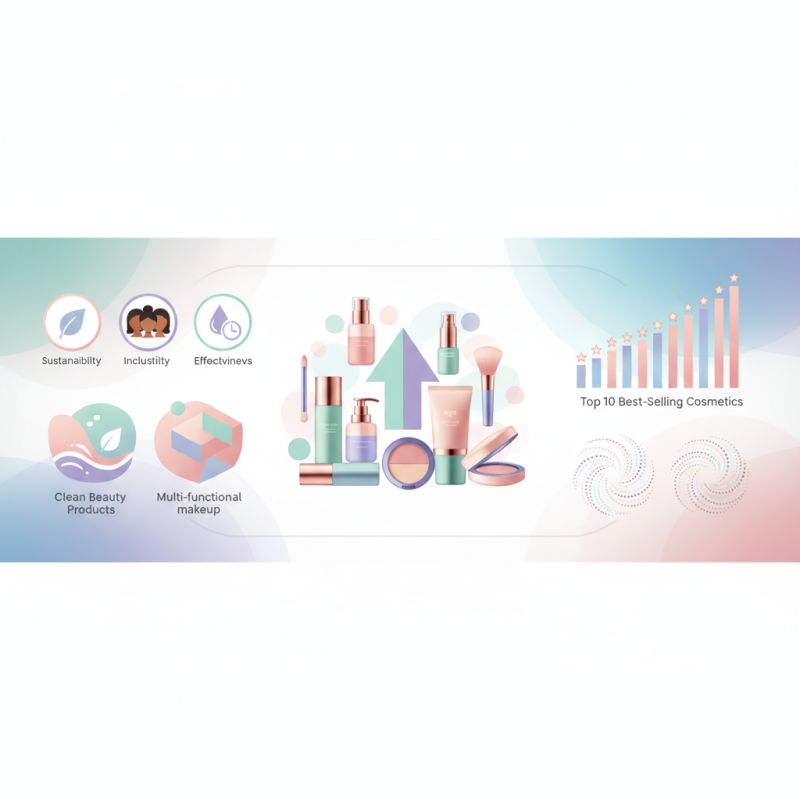
This exploration of the top 10 best-selling cosmetics highlights current trends that dominate the market, illustrating how consumers are influenced by factors such as sustainability, inclusivity, and effectiveness. Whether it’s the rise of clean beauty products or the increasing popularity of multi-functional makeup, understanding these trends can provide valuable insights into the preferences of modern consumers. Join us as we delve into the standout products that not only top sales charts but also reflect the evolving beauty ideals within cosmetics USA.
Top 10 Best-Selling Cosmetics in the USA: An Overview of Market Dynamics
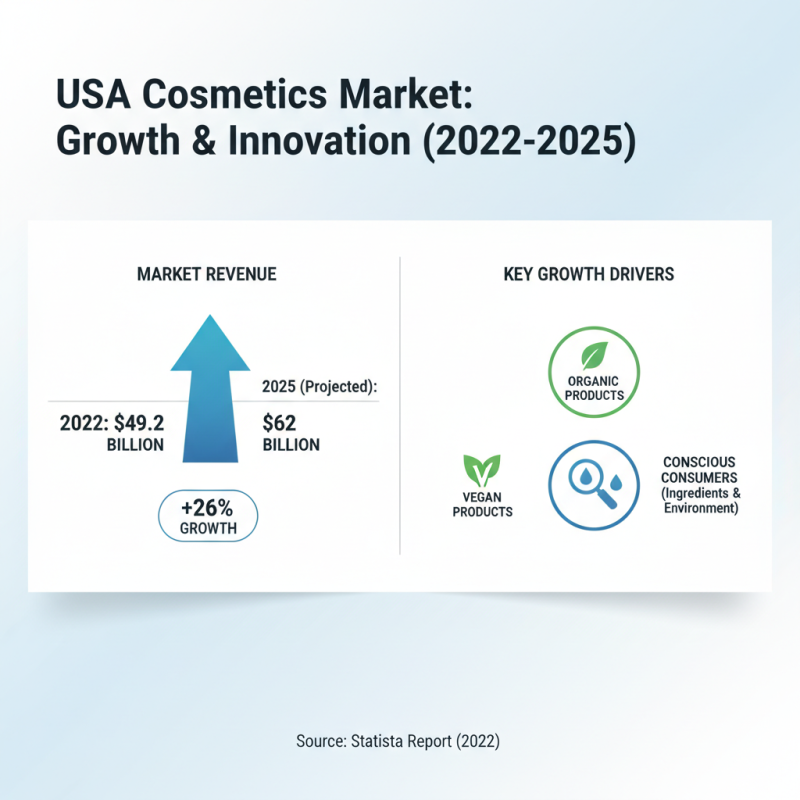
The cosmetics market in the USA has shown remarkable growth and innovation, driven by changing consumer preferences and advancements in technology. According to a report by Statista, the cosmetics industry in the United States generated approximately $49.2 billion in revenue in 2022, with projections indicating continual growth, expecting to reach $62 billion by 2025. This increase is primarily fueled by a rise in demand for both organic and vegan products, as consumers are becoming more conscious of ingredients and their environmental impact.
Market dynamics are also influenced by the rise of digital and social media marketing, which plays a pivotal role in shaping consumer choices. Data from McKinsey indicates that nearly 50% of beauty purchases are influenced by online recommendations and social media influencers. This shift highlights the importance of brands engaging with consumers through digital platforms to foster brand loyalty and visibility. Additionally, the trend towards inclusivity and diversity has prompted companies to expand their product ranges to cater to a broader audience, further reshaping the competitive landscape of the cosmetics market in the USA.
Analyzing Consumer Preferences: The Makeup Products Driving Sales
In the evolving landscape of cosmetics, understanding consumer preferences is crucial for identifying the products that dominate the market. Recent trends indicate a growing emphasis on sustainable and ethically produced makeup items, as consumers become increasingly aware of environmental and social issues. This shift is driving brands to innovate, focusing on eco-friendly packaging and ingredients that are both effective and safe for the skin. Additionally, the demand for clean beauty products is on the rise, with consumers actively seeking out items formulated without harmful chemicals, which reflects a broader lifestyle choice toward health and well-being.
Moreover, the influence of social media cannot be overstated in shaping consumer preferences. Online platforms serve as powerhouses of beauty inspiration, where makeup tutorials, product reviews, and influencer endorsements significantly impact purchasing decisions. As a result, products that gain visibility through social media channels often see a spike in sales, creating a direct link between digital engagement and consumer behavior. This trend underscores the importance of brand storytelling and connection with customers through relatable and authentic marketing strategies, ensuring that products resonate with the values and aspirations of their target audience.
Top 10 Best-Selling Cosmetics in the USA
E-commerce vs. Retail: Distribution Channels Impacting Cosmetic Trends
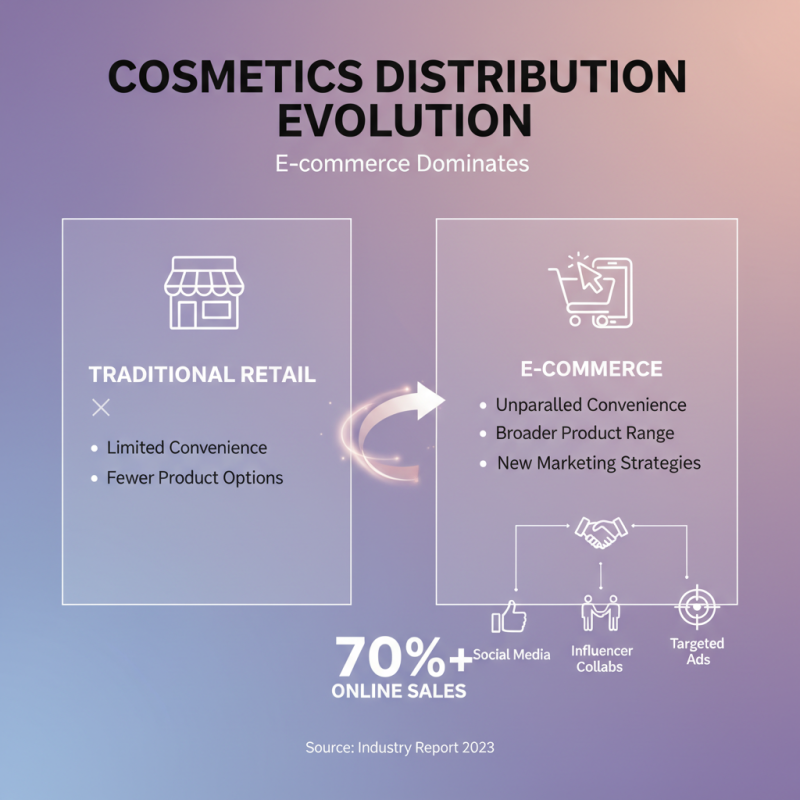
The distribution channels for cosmetics have significantly evolved in recent years, with a marked shift towards e-commerce. As consumers increasingly turn to online platforms for their shopping needs, the landscape of cosmetic sales has transformed. E-commerce offers unparalleled convenience and variety, allowing shoppers to access a broader range of products that traditional retail often cannot match. This shift impacts not just purchasing habits but also marketing strategies, as brands focus on building robust online presences through social media, influencer collaborations, and targeted online ads.
In contrast, physical retail stores continue to play a vital role in the cosmetic industry, particularly for consumers who prefer the tactile experience of testing products before buying. Retail outlets provide an opportunity for brands to create immersive experiences, where customers can engage with products directly, gain expert advice, and enjoy personalized consultations. However, with the rise of digital shopping, retailers are adapting by enhancing their in-store experiences, integrating technology such as augmented reality to bridge the gap between the digital and physical realms. This dual focus on e-commerce and retail illustrates the dynamic nature of the cosmetics market and the necessity for brands to innovate continually to meet evolving consumer preferences.
Seasonal Trends in Cosmetics: Insights from Sales Reports and Data
Seasonal trends in the cosmetics industry reflect not only consumer preferences but also shifts in the broader market landscape. According to a report from Statista, the U.S. cosmetics market is expected to reach approximately $90 billion by 2024, driven by seasonal demands and holiday shopping behaviors. Notably, sales data indicates that fall and winter seasons contribute significantly to sales spikes, with the holiday season accounting for nearly 30% of annual sales. This surge is often attributed to consumers purchasing gift sets and limited-edition products during this festive period.
Additionally, research from Nielsen reveals that certain cosmetic categories see increased popularity during specific times of the year. For instance, summer often brings heightened interest in bronzers and sunscreen products, as consumers prepare for vacations and outdoor activities. Conversely, autumn and winter months typically see a rise in sales of moisturizing products and rich lip colors, as people modify their beauty routines in response to changing weather conditions. Such insights underscore the importance of aligning marketing strategies with seasonal trends, as brands that effectively respond to these shifts can enhance consumer engagement and drive sales year-round.
Impact of Social Media Influencers on Cosmetic Purchasing Decisions
The influence of social media influencers on cosmetic purchasing decisions has dramatically reshaped the beauty industry landscape. According to a 2023 survey by the Influencer Marketing Hub, approximately 70% of consumers reported that their purchasing decisions were affected by social media influencers. This statistic underscores the crucial role that influencers play in not only promoting products but also in shaping consumer perceptions and preferences. Their ability to curate personalized and relatable content allows them to forge trust with their audience, making their endorsements particularly persuasive.
Furthermore, a report from the Digital Marketing Association indicates that brands leveraging influencer marketing see an average return on investment of $5.78 for every dollar spent. This highlights the effectiveness of influencer partnerships in driving sales within the cosmetic sector. A significant portion of consumers, especially within the millennial and Gen Z demographics, actively follows beauty influencers, relying on their recommendations for product discovery. As social media continues to evolve, the impact of these influencers will likely grow, making them a critical component of marketing strategies for cosmetic brands aiming to engage with today’s digitally-savvy consumers.