Best Private Label Cosmetics for Your Brand Success?
The world of private label cosmetics is booming. A recent report by Statista highlights that the global private label beauty market is expected to reach $13 billion by 2025. Many brands are harnessing this trend to create unique products tailored to their customers. As industry expert Dr. Emily Chen states, "Private label cosmetics allow brands to express their identity while catering to consumer needs."
However, the journey of building a successful private label cosmetics line is not without challenges. Companies must navigate quality control, packaging decisions, and marketing strategies. Choosing manufacturers can be daunting. It’s crucial to find reliable partners who align with your brand values. Some businesses falter because they underestimate the importance of these factors.
While there are great success stories, some brands struggle to stand out in a crowded market. The key to success lies in understanding customer preferences and innovating accordingly. Private label cosmetics offer a chance to bridge this gap. With targeted efforts and creative branding, brands can thrive in this dynamic industry.
Understanding Private Label Cosmetics and Their Market Potential
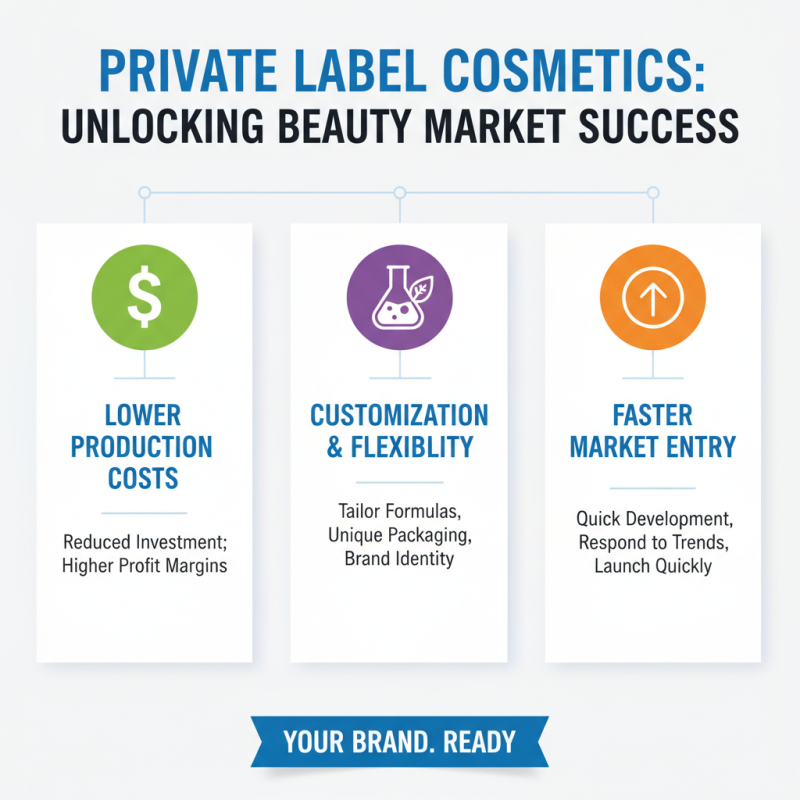
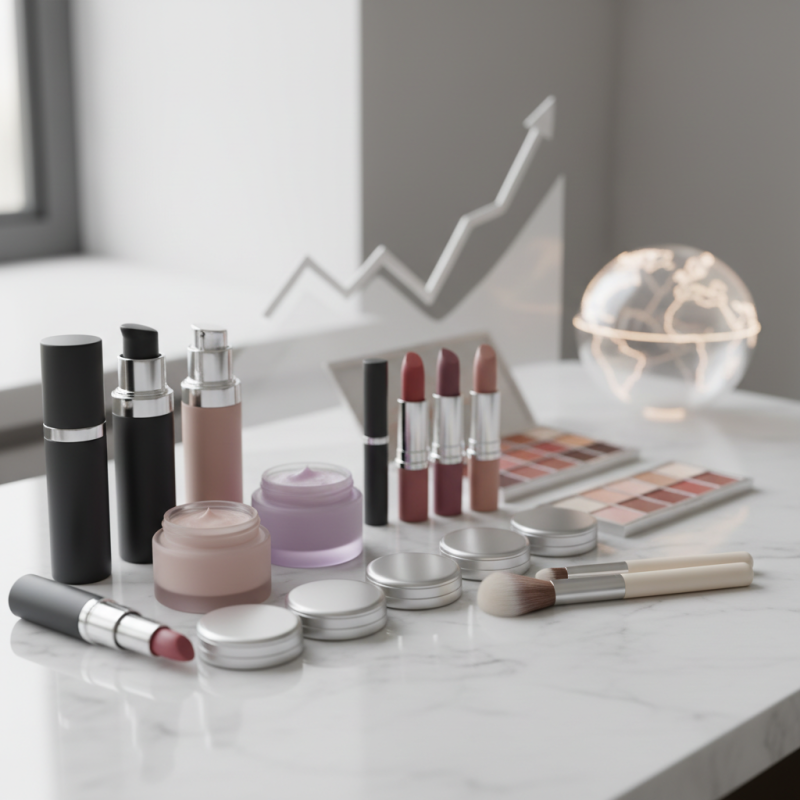
Private label cosmetics have become a popular choice for brands looking to enter the beauty market. Understanding the potential of these products is crucial for success. Many companies are drawn to private labels for their lower production costs. They allow brands to customize formulations, packaging, and branding without the heavy investment of developing products from scratch. This flexibility is appealing for new entrants.
The market for private label cosmetics is diverse and growing rapidly. Consumers are increasingly seeking products that align with their values. There is a demand for clean ingredients and sustainable packaging. Brands that can tap into these trends may find significant opportunities. However, competition is fierce, and standing out is a challenge. Many aspiring entrepreneurs overlook the importance of quality control, which can lead to disappointing customer experiences.
To thrive, brands must engage in thorough market research. Understanding consumer preferences and industry trends is essential. Some may underestimate the importance of branding in this space. It's not just about offering products; it’s about creating an experience. While the private label route can offer advantages, it requires meticulous planning and execution.
Key Factors to Consider When Choosing a Private Label Manufacturer
Choosing a private label manufacturer can be a game-changer for your cosmetics brand. According to recent industry reports, nearly 25% of all beauty products in the market are private label. This shows the growing trend towards personalized branding. When assessing manufacturers, consider their production capabilities. Look for a partner who offers a wide range of formulations. This flexibility can cater to various customer needs.
Quality assurance is another crucial factor. A study by the The Cosmetic Ingredient Review noted that over 30% of cosmetic recalls are due to safety issues. Ensuring your manufacturer adheres to stringent quality control can mitigate risks. Additionally, review their sourcing practices. Ethically-sourced ingredients are becoming a preference among consumers. Nearly 70% of millennials prioritize sustainability in their purchasing decisions.
Price is often a primary concern, but don't sacrifice quality for cost. The cheapest option may lead to compromises in product effectiveness. Be mindful of manufacturing lead times as well. Long delays can hurt your launch timeline. Finding the right balance between cost, quality, and reliability takes time and careful research. Ultimately, reflection on these elements can truly set your brand apart in a crowded market.
Popular Ingredients and Trends in Private Label Cosmetics
When exploring private label cosmetics, it's essential to stay updated on popular ingredients and emerging trends. Consumers today seek products that offer both quality and efficacy. Natural and organic ingredients are at the forefront. They resonate with health-conscious shoppers. Botanicals, like aloe vera and green tea, not only feel luxurious but provide tangible benefits. This trend isn't just a fad; it reflects a deeper demand for transparency.
Tips: Consider incorporating cruelty-free options. Consumers appreciate brands that prioritize ethical practices. Explore unique ingredient combinations to stand out. Think of elements like CBD or blue light protectants. These innovations can attract niche markets.
Another significant trend is customization. Many brands now allow consumers to tailor their products. This approach enhances the personal connection with the brand. However, managing inventory and production for customized items can be complex. It’s vital to weigh the pros and cons carefully.
Tips: Use customer feedback to refine offerings. Engage with your audience through surveys. This interaction can spark valuable ideas for new products. Adjust based on what resonates. It's necessary to stay agile and responsive in this evolving market.
Best Private Label Cosmetics for Your Brand Success? - Popular Ingredients and Trends in Private Label Cosmetics
| Ingredient |
Usage |
Popularity Index (1-10) |
Trends |
| Hyaluronic Acid |
Moisturizer, Serum |
9 |
Hydration, Anti-aging |
| Retinol |
Anti-aging Creams |
8 |
Youthfulness, Skin Renewal |
| Vitamin C |
Brightening Serums |
9 |
Brightening, Antioxidant |
| Peptides |
Anti-aging, Moisturizers |
7 |
Skin Firming |
| CBD Oil |
Soothing Products |
6 |
Calming, Natural |
| Squalane |
Moisturizers, Oils |
8 |
Moisture Retention |
Marketing Strategies for Success with Private Label Products
In the dynamic world of private label cosmetics, strategic marketing can set your brand apart. Start by identifying your target audience. Understand their preferences and needs. Align your product offerings with these insights for better engagement.
Tips: Conduct surveys to gain insight. Leverage social media for direct feedback.
Next, create a compelling brand story. The narrative behind your products matters. Consumers connect with brands that share relatable stories. Reflect your values and mission in your marketing materials. This builds trust and loyalty among your customers.
Tips: Use visuals to enhance your story. Authenticity resonates with customers.
Don’t overlook the power of online presence. Ensure your website is user-friendly. Engaging content and attractive visuals can drive traffic. Regularly update your social media channels. This keeps your audience informed and interested.
Tips: Schedule posts to maintain consistency. Monitor analytics for effective strategies.
Popularity of Private Label Cosmetics Categories
Legal and Regulatory Considerations for Private Label Cosmetics
When venturing into private label cosmetics, understanding legal and regulatory considerations is crucial. Each region has specific rules that govern cosmetic products. Ensuring compliance is essential for brand success. You must familiarize yourself with ingredient regulations and labeling requirements. For instance, certain substances may be banned or restricted in specific regions.
Documentation is another key focus. You need to maintain clear records of product formulations and safety assessments. This is vital in the event of regulatory inspections. It's often overlooked but can lead to complications later. Additionally, understanding the distinction between cosmetic and therapeutic claims can save you from potential pitfalls. Misleading claims may result in legal issues.
Testing is also imperative. Ensuring that products are safe for consumers requires adequate testing procedures. This includes stability testing and microbiological assessments. Sometimes, brands rush this phase, thinking it will save time or money. However, skimping on this aspect can damage your reputation. A detailed audit of compliance processes is a wise approach. Ultimately, navigating these considerations carefully can pave the way for a more successful brand.