Cosmetic Group USA
10 Best Makeup Vendors USA for Global Buyers?
Beauty sourcing is becoming more data-driven, but selecting reliable suppliers remains surprisingly difficult. McKinsey’s 2023 beauty industry report projects the global beauty market could approach $590 billion by 2028. That growth attracts manufacturers, private-label specialists, wholesalers, and trading companies with very different capabilities.
In the United States, Circana reported that prestige beauty sales rose 14% in 2023, while prestige makeup remained a major growth contributor. This momentum creates opportunities for international retailers, online brands, and professional distributors. However, a strong product image does not prove dependable production. Buyers still need to examine ingredient lists, shade consistency, minimum order quantities, sample quality, lead times, and documentation.
Details matter.
This guide evaluates 10 makeup vendors usa that may support global purchasing needs. The comparison considers product range, customization, packaging options, communication, manufacturing transparency, and export readiness. Reliable vendors should provide clear INCI information, batch or quality records, safety documentation, and labeling guidance suitable for the destination market. Requirements may differ across regions, so buyers should confirm current rules with qualified regulatory professionals.
A supplier’s website can look impressive. It can still hide weak follow-up or inconsistent samples. In practical sourcing work, small issues often appear first: a leaking lipstick tube, a delayed color chart, or unclear carton markings. These problems are not always deal-breakers, but they deserve honest review. The following overview offers a useful starting point, not a guarantee. Buyers should request samples, verify certifications independently, and negotiate written terms before placing commercial orders.
What Makes a Makeup Vendor Suitable for Global Buyers
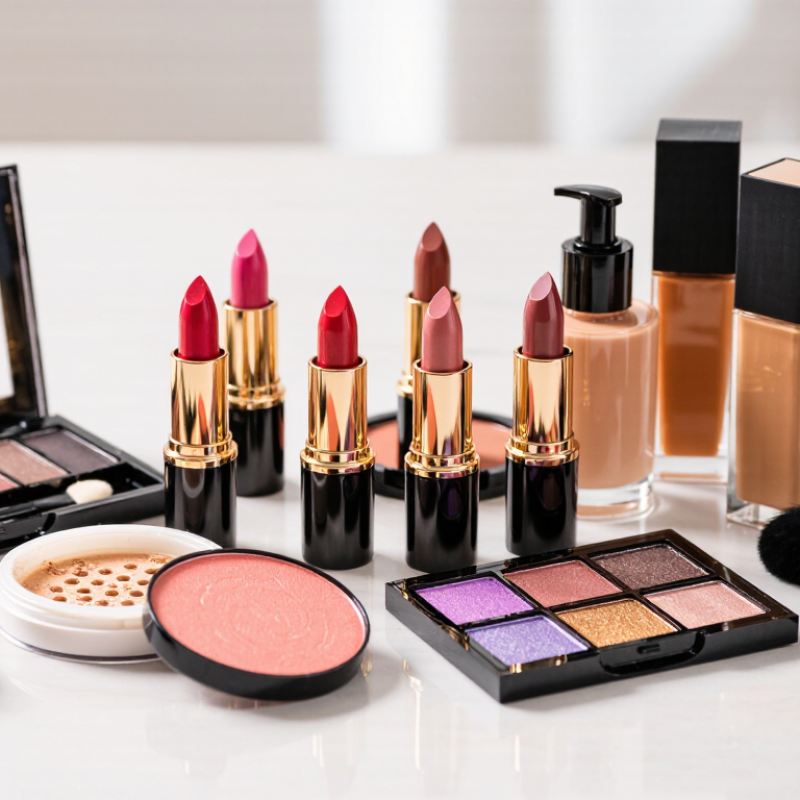
For global buyers, a suitable makeup vendor offers more than attractive shades and competitive prices. In practical sourcing work, I look for clear ingredient records, stable formulas, and samples matching the production batch. Each product should include readable labels, batch details, shelf-life information, and safety documents for the destination market. This evidence shows professional control, not just polished sales language. A vendor should explain testing methods without hiding behind vague claims. Some answers may take time. Honest limits are better than confident guesses.
Communication is equally important across time zones. A dependable supplier replies with specific dates, quantities, and responsible contacts. I value a sample process recording color references, packaging dimensions, and approval changes. Small details matter when a shipment contains hundreds of cartons. Ask about minimum order quantities, production capacity, carton protection, and inspection options before signing an agreement. A video call or facility audit can reveal cleanliness, workflow, and storage conditions. Photos alone can mislead.
Global suitability also depends on flexibility. A vendor may support custom packaging, multilingual documents, and several shipping methods while respecting local cosmetic rules. However, flexibility should not mean uncontrolled changes. Every formula, label, and material revision needs written confirmation. A small shade difference under warehouse lighting can delay approval. That risk is easy to underestimate. Buyers should compare records, not promises, and keep a documented quality checklist. Strong partnerships grow from traceable decisions, realistic timelines, and willingness to correct weak processes.
10 Best Makeup Vendors USA for Global Buyers? - What Makes a Makeup Vendor Suitable for Global Buyers
Comparative benchmark of anonymized U.S. makeup vendor profiles. Figures are indicative purchasing benchmarks and should be confirmed directly with each supplier before ordering.
| Rank | Anonymized Vendor Profile | Best For | Indicative MOQ | Typical Lead Time | Export Documentation | Customization | Global-Buyer Score | Key Selection Advantage |
|---|---|---|---|---|---|---|---|---|
| 1 | Profile A — Full-Service Contract Manufacturer | End-to-end private-label makeup programs | 1,000–5,000 units per SKU | 8–16 weeks after formula approval | COA, SDS, ingredient list, commercial invoice, packing list | High: formula, shade, package, and artwork | 9.6/10 | Combines development, production, filling, and export support. |
| 2 | Profile B — FDA-Ready Color Cosmetics Supplier | Buyers prioritizing U.S. compliance documentation | 500–3,000 units per SKU | 6–12 weeks for stocked or semi-custom items | Ingredient disclosure, batch records, SDS, COA, export documents | Medium to high | 9.3/10 | Strong documentation workflow for international product registration. |
| 3 | Profile C — Low-MOQ Private-Label Studio | Startups, online sellers, and test launches | 100–500 units per SKU | 4–10 weeks | Basic COA, SDS, ingredient list, and shipping paperwork | Medium: stock formulas and standard packaging | 9.0/10 | Reduces inventory risk and supports market testing. |
| 4 | Profile D — Clean-Beauty Formulation Partner | Buyers requesting vegan, cruelty-free, or plant-based positioning | 1,000–5,000 units per SKU | 10–18 weeks | Ingredient origin records, allergen information, COA, SDS | High: formula and claims support | 8.8/10 | Useful for markets where ingredient transparency affects purchasing decisions. |
| 5 | Profile E — Fast-Turn Stock Makeup Distributor | Retailers needing quick replenishment | 50–500 units per item | 1–4 weeks from available inventory | Commercial invoice, packing list, SDS where applicable | Low: mostly ready-made products | 8.6/10 | Shorter lead times and lower minimum order quantities. |
| 6 | Profile F — Premium Packaging and Filling Specialist | Luxury makeup collections and gift sets | 2,000–10,000 units per SKU | 12–20 weeks | COA, SDS, packaging specifications, batch traceability documents | Very high: component and decoration options | 8.5/10 | Improves shelf appeal through advanced packaging capabilities. |
| 7 | Profile G — Mineral and Sensitive-Skin Specialist | Sensitive-skin, fragrance-free, and mineral makeup lines | 500–3,000 units per SKU | 8–14 weeks | Ingredient list, allergen statement, COA, SDS, stability information | Medium to high | 8.4/10 | Supports targeted product positioning and ingredient communication. |
| 8 | Profile H — Mass-Market Makeup Producer | Large-volume retail and supermarket distribution | 5,000–25,000 units per SKU | 10–18 weeks | Full commercial and product documentation subject to product type | Medium: scale-focused customization | 8.2/10 | Competitive unit economics at high order volumes. |
| 9 | Profile I — Multi-Category Beauty Sourcing Partner | Buyers sourcing makeup with skincare and personal-care items | 500–5,000 units per SKU | 6–14 weeks | Supplier-specific COA, SDS, invoices, packing lists, and product files | Medium | 8.0/10 | Simplifies multi-category purchasing and shipment consolidation. |
| 10 | Profile J — Short-Run Seasonal Collection Supplier | Limited editions, holiday sets, and promotional campaigns | 250–1,500 units per SKU | 5–10 weeks | Basic product file, COA, SDS where applicable, and shipping documents | Medium: seasonal colors and packaging | 7.8/10 | Flexible for time-sensitive launches with moderate order volumes. |
Related Posts
-
2026 Best Makeup Distributors in USA for Global Buyers
-
Top 5 Tips for Finding Makeup Distributors in USA?
-
Top Makeup Distributors in USA for Global Buyers 2026?
-
What is the Best Makeup Distributors in USA to Partner With?
-

What is the Role of Makeup Distributors in the USA?
-
2026 Best Makeup Line Trends for Global Buyers to Discover