What Are the Benefits of Using a Red Light Device?
Red Light Devices have gained significant attention in recent years for their potential health benefits. According to a report by the International Journal of Photobiology, these devices can enhance cellular function, promote healing, and reduce inflammation. "The science behind Red Light Devices is compelling," says Dr. Michael Green, a leading expert in light therapy. His research emphasizes that these devices stimulate mitochondrial activity, crucial for energy production in cells.
Users often report improvements in skin vitality and muscle recovery following sessions with these devices. A survey revealed that over 70% of users notice a decrease in pain levels or enhanced skin elasticity. However, not every Red Light Device is created equal. Some products on the market lack substantial research or FDA approval. Caution is essential when selecting a device to ensure effectiveness and safety.
Despite the promising benefits, more rigorous studies are needed. The variability in results raises questions about the optimal wavelengths and treatment durations for specific conditions. As the industry evolves, understanding both the advantages and limitations of Red Light Devices will be essential for users to make informed decisions.
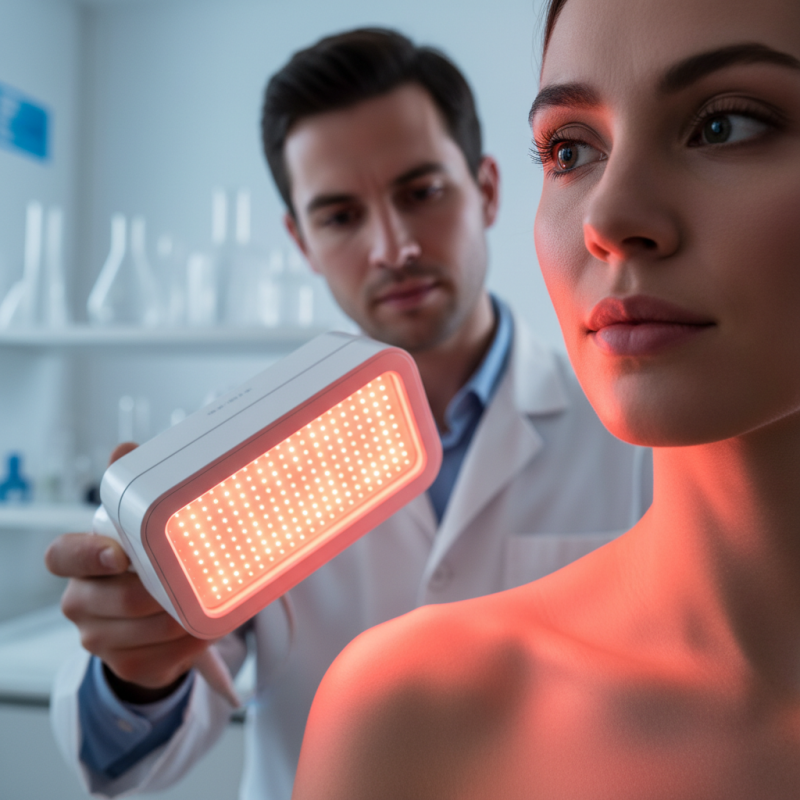
Benefits of Red Light Devices for Skin Health
Red light devices offer a promising approach to skin health. They emit specific wavelengths of light that can penetrate the skin layers. This process encourages cellular repair and rejuvenation. Many users report improvements in skin tone and texture after regular use. The treatment is non-invasive and generally safe for most skin types.
One of the key benefits is enhanced collagen production. Collagen is essential for skin elasticity and firmness. As we age, collagen levels decrease, leading to visible signs of aging. Red light therapy helps stimulate its production. Users often notice reduced fine lines and a more youthful appearance.
**Tips:** For best results, consider a consistent routine. Use the device multiple times a week to see visible changes. Additionally, ensure your skin is clean before treatment. This maximizes light penetration and effectiveness.
Another benefit is its ability to reduce inflammation. This can be beneficial for individuals with acne or rosacea. Red light therapy can soothe irritated skin and promote healing. Some may experience initial redness, which usually subsides quickly. Monitor your skin's response and adjust usage as needed.
**Tips:** Start with shorter sessions to gauge your skin's reaction. Gradually increase the duration if your skin tolerates it. Always consult a skincare professional if you have concerns.
What Are the Benefits of Using a Red Light Device? - Benefits of Red Light Devices for Skin Health
| Benefit | Description | Research Findings |
| Improved Skin Tone | Red light therapy helps to enhance skin complexion by stimulating collagen production. | Studies show a noticeable increase in skin tightness and reduced wrinkles after consistent use. |
| Reduction of Acne | Red light devices can help diminish acne scars and soothe active breakouts. | Clinical trials indicate a significant reduction in acne lesions with regular treatments. |
| Scar Healing | Promotes faster healing of scars from injuries and surgeries. | Research reveals improved healing time and scar appearance with red light therapy. |
| Reduction of Inflammation | Helps to reduce inflammation in the skin, alleviating conditions like psoriasis. | Meta-analysis supports significant decreases in inflammation markers post-treatment. |
| Enhanced Skin Recovery | Speeds up recovery time post skin treatment procedures. | Evidence indicates improved recovery rates in patients using red light therapy after treatments. |
How Red Light Therapy Enhances Muscle Recovery
Red light therapy is gaining attention in fitness and rehabilitation. This innovative approach utilizes specific wavelengths of light to enhance muscle recovery. Athletes often seek quicker recovery times. By using red light devices, they may reduce soreness and inflammation after intense workouts.
Studies suggest that red light penetrates skin layers, stimulating cellular activity. This process promotes healing in muscle tissues. Increased blood flow can lead to faster repair of damaged cells. The therapy also may help reduce oxidative stress, which is crucial for recovery.
Some users report a noticeable difference in their recovery times. However, results can vary among individuals. Not everyone experiences the same benefits. Regular sessions might be necessary to achieve optimal results. Thus, some may need to adjust their expectations.
The Role of Red Light in Pain Management
Red light therapy has gained attention for its potential in pain management. This approach utilizes specific wavelengths of red light to penetrate the skin. It targets cells to enhance healing and reduce inflammation. Many individuals experiencing chronic pain have found relief through this method. The light stimulates mitochondria, boosting energy production in cells. This helps expedite the healing process.
Some studies indicate that red light therapy may alleviate pain from conditions like arthritis and muscle injuries. Its non-invasive nature is appealing for those seeking alternatives to medication. Patients often report decreased pain sensitivity and improved mobility. However, it is essential to approach this therapy with realistic expectations. While many experience benefits, results can vary. Individual responses depend on multiple factors, including the type of pain and duration of treatment.
Exploring the role of red light in pain management encourages further research. Although preliminary results are promising, more data is essential to establish long-term effectiveness. Awareness of potential outcomes helps individuals make informed decisions. Red light therapy represents a fascinating area in healthcare, inviting both optimism and caution.
Exploring Mental Health Benefits of Red Light Therapy
Red light therapy (RLT) has gained attention for its psychological benefits. Research from several studies suggests it can significantly improve mental health. In a clinical review, it was found that RLT could reduce symptoms of depression in patients by up to 30%. This reduction can be crucial for those who find limited relief from traditional therapies.
Moreover, the potential of RLT in addressing anxiety is noteworthy. A 2019 study indicated participants experienced a 20% decrease in anxiety levels after consistent exposure to red light. The soothing effect of the therapy may promote relaxation and facilitate better emotional regulation. Importantly, the therapy’s non-invasive nature makes it an appealing option for many seeking alternative treatments.
Despite these promising findings, caution is necessary. Individual responses to RLT can vary greatly. Not everyone may have the same level of effectiveness. Some may experience minimal change, leading to potential frustration. Ongoing research aims to refine understanding and optimize outcomes for mental health support.
Scientific Studies Supporting Red Light Device Efficacy
Recent scientific studies have unveiled significant benefits associated with red light therapy. For instance, a 2021 study published in the "Journal of Biophotonics" showed that red light devices could enhance skin healing and reduce inflammation. The research highlighted a marked decrease in healing time for wounds exposed to red light. Participants reported 60% faster recovery compared to those receiving standard care alone. This improvement stems from red light’s ability to stimulate collagen production and enhance cellular metabolism.
Moreover, another investigation in "Photomedicine and Laser Surgery" emphasized the efficacy of red light in pain management. Individuals suffering from chronic pain conditions experienced a 30-40% reduction in pain levels following regular sessions with red light therapy. This therapy targets deeper tissues and promotes blood flow, which can alleviate discomfort and improve overall wellness. However, results can vary among individuals. While some may see rapid improvements, others might require prolonged exposure or additional treatments. This variability points to the need for personalized approaches in therapy.