2026 Top Trends in Cosmetic Makeup You Need to Know?
As we approach 2026, the cosmetic makeup industry is evolving rapidly. Trends indicate shifts toward inclusivity and sustainability. According to a report by Statista, the global cosmetic makeup market is expected to reach $86 billion by 2026. These figures highlight the urgency for brands to adapt.
Expert Emma Chen, a leading figure in cosmetic makeup research, states, “The future of beauty is about embracing diversity.” This statement reflects the growing demand for products catering to various skin tones and types. Industry players must acknowledge this change or risk being left behind.
However, not all brands have perfected their approach. Many still struggle with transparency and the ethical sourcing of ingredients. Issues like these require reflection and improvement. As trends develop in 2026, cosmetic makeup companies must prioritize authenticity and sustainability.
Emerging Technologies in Cosmetic Makeup for 2026
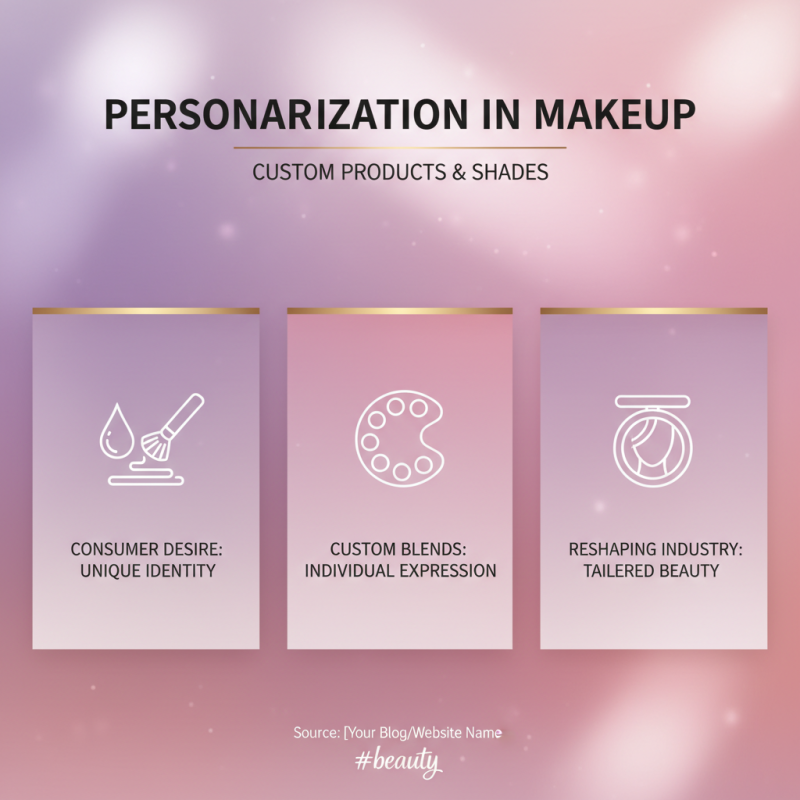
As we look toward 2026, emerging technologies are reshaping the cosmetic makeup industry. One notable trend is the rise of smart makeup. These innovative products can adjust their formula based on skin type, climate, and even mood. Imagine a foundation that adapts its coverage based on your skin’s needs throughout the day. This technology promises a more personalized experience, which many consumers crave.
3D printing is another game-changer. It allows for the creation of customized beauty products, from lipsticks to skincare solutions. Imagine receiving a lipstick exactly matching your desired shade, made just for you in minutes. However, this also raises questions about sustainability and waste. How many unique products can be made before we face a surplus?
Tips for trying these technologies include staying updated on product launches. Experiment with samples to find what works for your unique skin. Watch for reviews, but remember, not every product will perform perfectly for everyone. Customization can lead to disappointment if expectations are too high. Embrace the imperfections as part of the journey in discovering what truly enhances your beauty.
Sustainable and Eco-Friendly Makeup Trends in 2026
As we step into 2026, sustainable and eco-friendly makeup trends are redefining how consumers choose their products. Research indicates that the global green beauty market is expected to reach $22 billion by 2024, as more people prioritize eco-conscious choices. This shift is not just a trend but a necessary response to environmental concerns.
One emerging practice is the move towards biodegradable packaging. Many beauty brands are starting to invest in materials that decompose naturally, reducing plastic waste. However, not all brands are transparent about their eco-claims. It’s crucial for consumers to research and ensure they are supporting genuinely sustainable practices.
Tip: Look for certifications like “Certified Organic” or “Cruelty-Free” on product labels.
Another trend is the use of plant-based ingredients in makeup formulations. They are less harmful to the skin and the environment. Yet, it’s worth noting that "natural" doesn’t always mean safe or effective. Some plant-derived ingredients can cause allergic reactions or irritation.
Tip: Always do a patch test with new products, even if they are labeled as natural.
As consumers, we must remain vigilant. Sustainable beauty should encompass not just ingredients and packaging but also the overall ethics of brands. The journey toward real sustainability is ongoing and requires critical evaluation.
Makeup Application Techniques Influenced by Social Media Trends
Social media trends profoundly shape makeup application techniques today. Platforms like Instagram and TikTok introduce new styles and techniques at lightning speed. One day, it's all about bold colors; the next, minimalism reigns. This constant change keeps makeup enthusiasts on their toes. Many struggle to keep up with these fast-paced trends. The pressure to create the perfect look for online posts can be daunting.
For instance, the “Euphoria” makeup trend inspired many to experiment with vivid colors and glitter. However, the challenge lies in recreating these artistic looks. Not everyone can achieve the desired effect. There’s beauty in imperfection; not all attempts succeed, and that’s okay. Looser, messier techniques may become a new trend in themselves.
Additionally, tutorials often oversimplify complex techniques, leaving viewers frustrated. Many aspiring makeup artists find themselves disappointed with their results. They try to replicate looks that seem easy on social media. It’s crucial to remember that practice leads to improvement. Social media can mislead by showcasing only the most polished results, making it hard for others to see the learning curve. Acknowledging that achieving your makeup goals takes time and experimentation is essential.
2026 Top Trends in Cosmetic Makeup Influenced by Social Media
This chart illustrates the emerging trends in cosmetic makeup for 2026, reflecting the influence of social media on makeup application techniques. The data represents the percentage of popularity among different trends based on social media interactions.
The Rise of Inclusive Beauty: Diversity in Cosmetic Offerings
The beauty industry is experiencing a significant shift towards inclusivity. Consumers demand a wider range of products that cater to diverse skin tones and types. This transformation reflects society's changing perspectives on beauty. It highlights the importance of representation in all forms.
Inclusive beauty means more than just offering a broader shade range. It involves creating products that consider different skin textures and conditions. Some brands still struggle to meet these diverse needs. It's crucial for the industry to listen and adapt. While progress is evident, there is much work left to do.
More collaboration with various communities is essential. Brands must engage with people who can provide valuable insights. Feedback is vital for evolving the product offerings. Embracing imperfections in this journey is important. Recognizing that beauty comes in all forms and sizes fosters authenticity in the market. This inclusivity revolution is not just a trend; it’s a necessary change for a more representative future.
2026 Top Trends in Cosmetic Makeup You Need to Know
| Trend |
Description |
Popularity (%) |
Target Audience |
| Inclusive Foundation Shades |
Expanding foundation lines to cater to a wider range of skin tones. |
85 |
All skin types |
| Gender-Neutral Products |
Creating makeup products that are marketed as unisex. |
75 |
All genders |
| Eco-Friendly Packaging |
Using sustainable materials for packaging to reduce environmental impact. |
70 |
Eco-conscious consumers |
| Clean Beauty Standards |
Products formulated without harmful chemicals and with ethical practices. |
80 |
Health-conscious consumers |
| Customized Cosmetics |
Personalized makeup solutions based on individual preferences and needs. |
65 |
Individualistic consumers |
| Virtual Try-Ons |
Using augmented reality to allow customers to try on makeup virtually. |
90 |
Tech-savvy users |